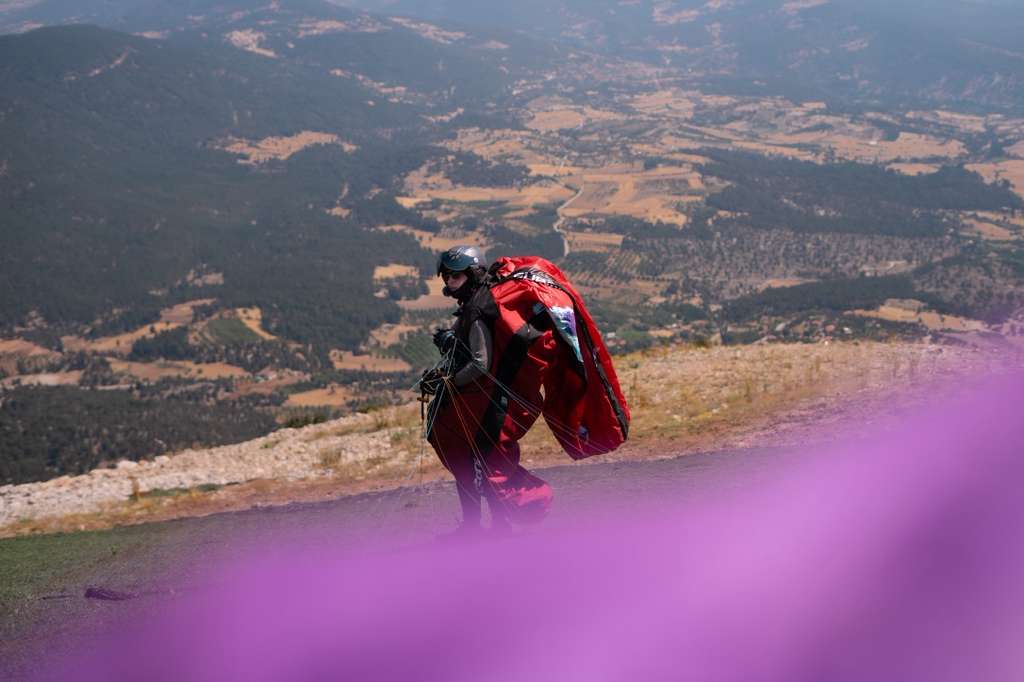
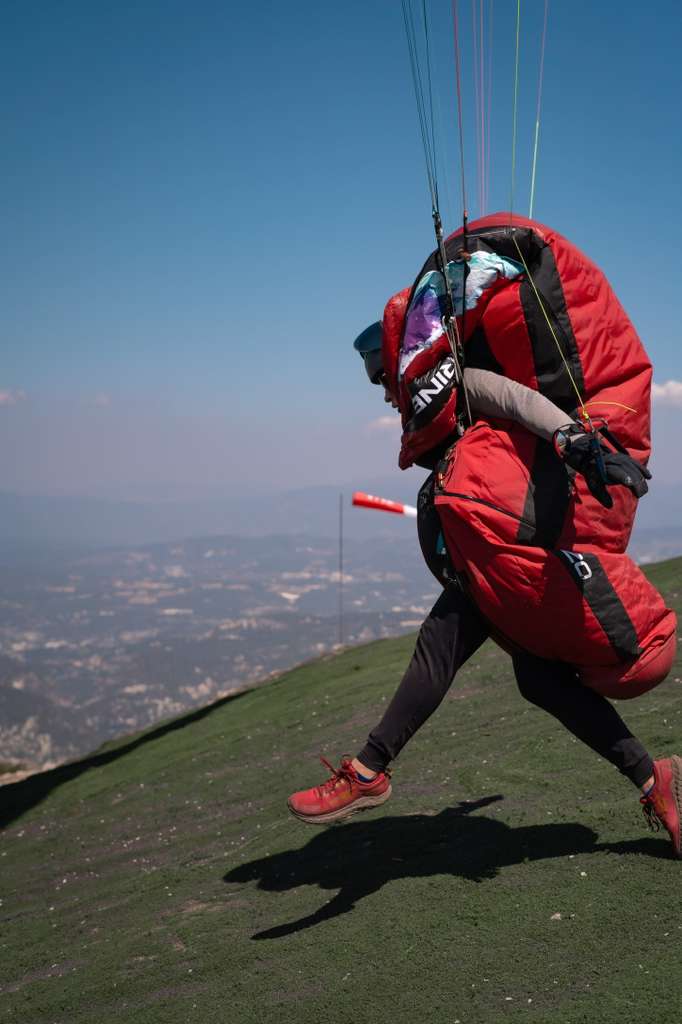
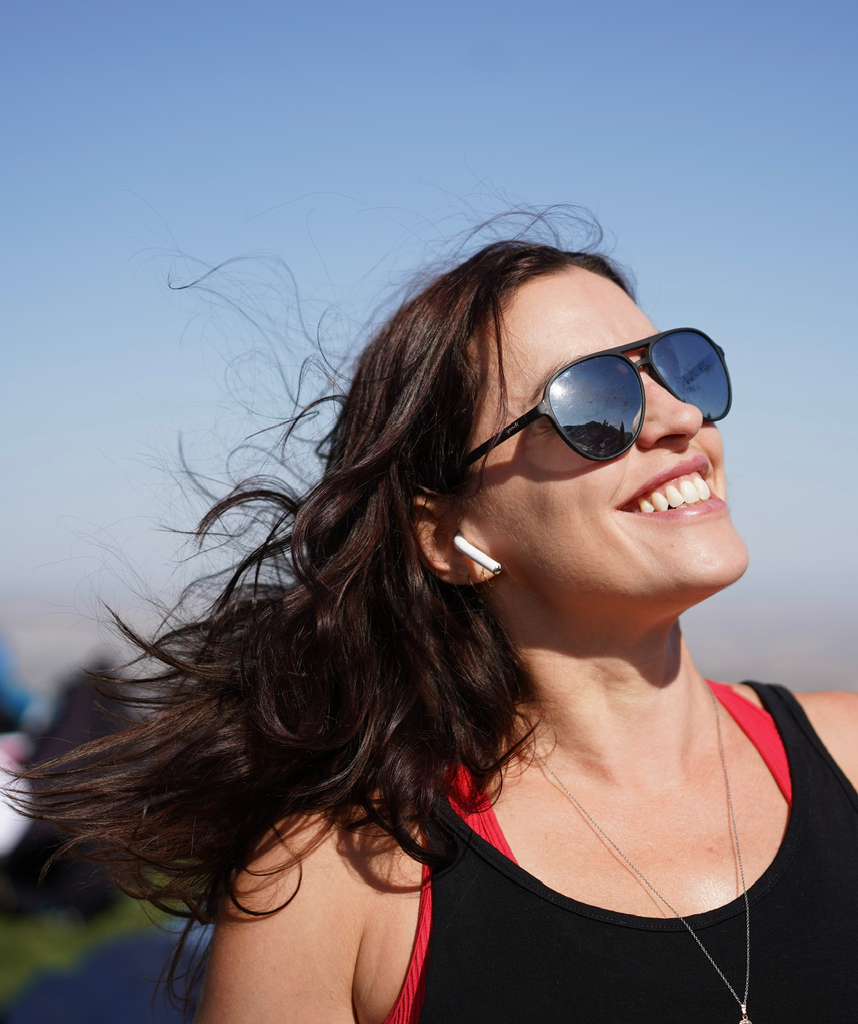
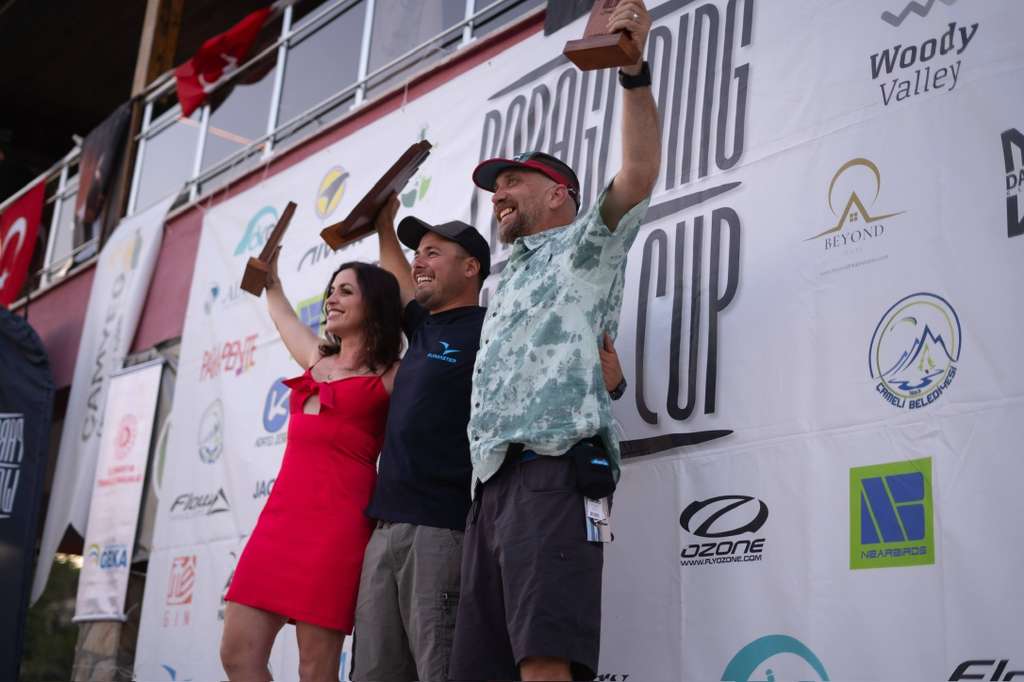
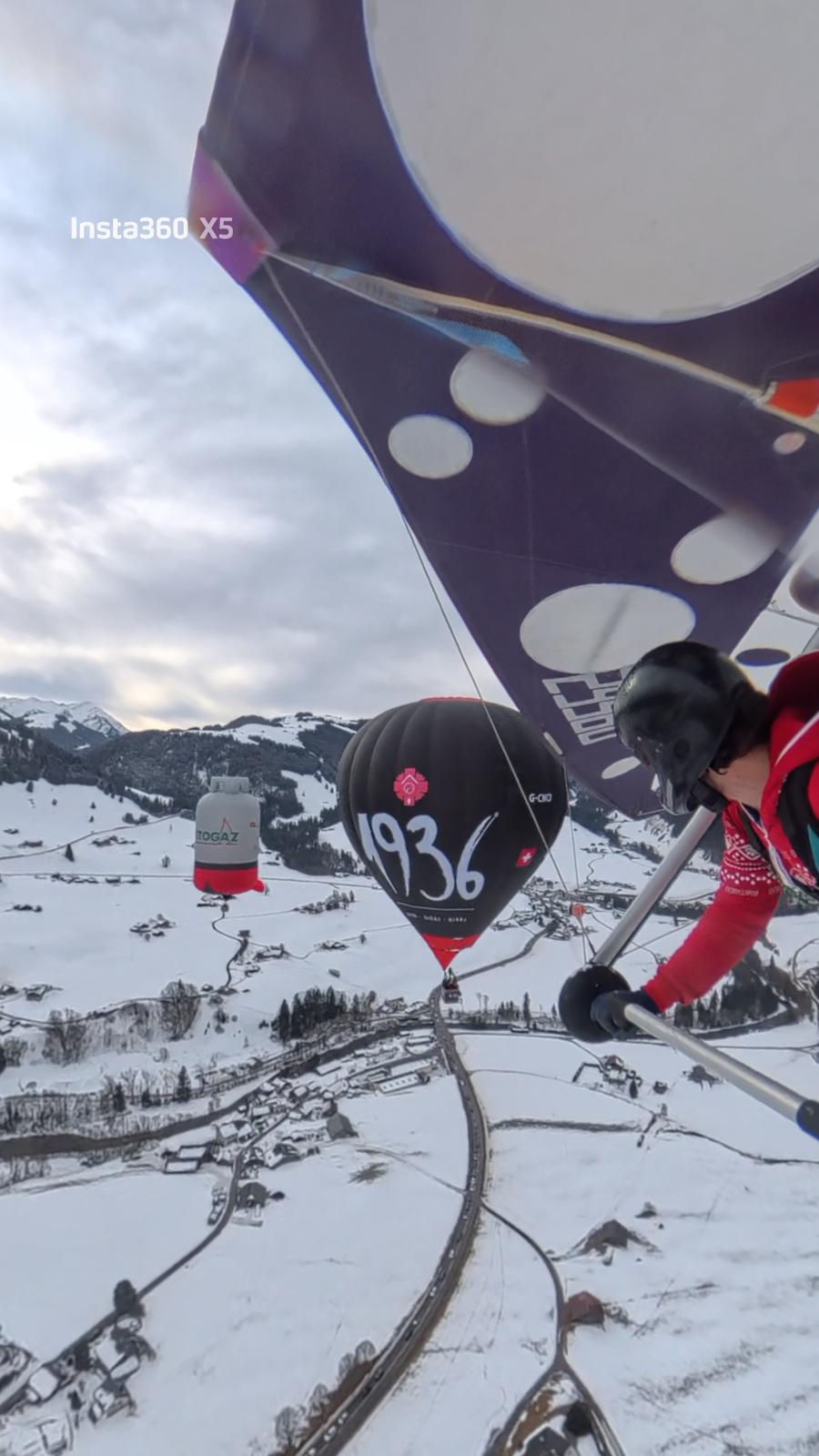
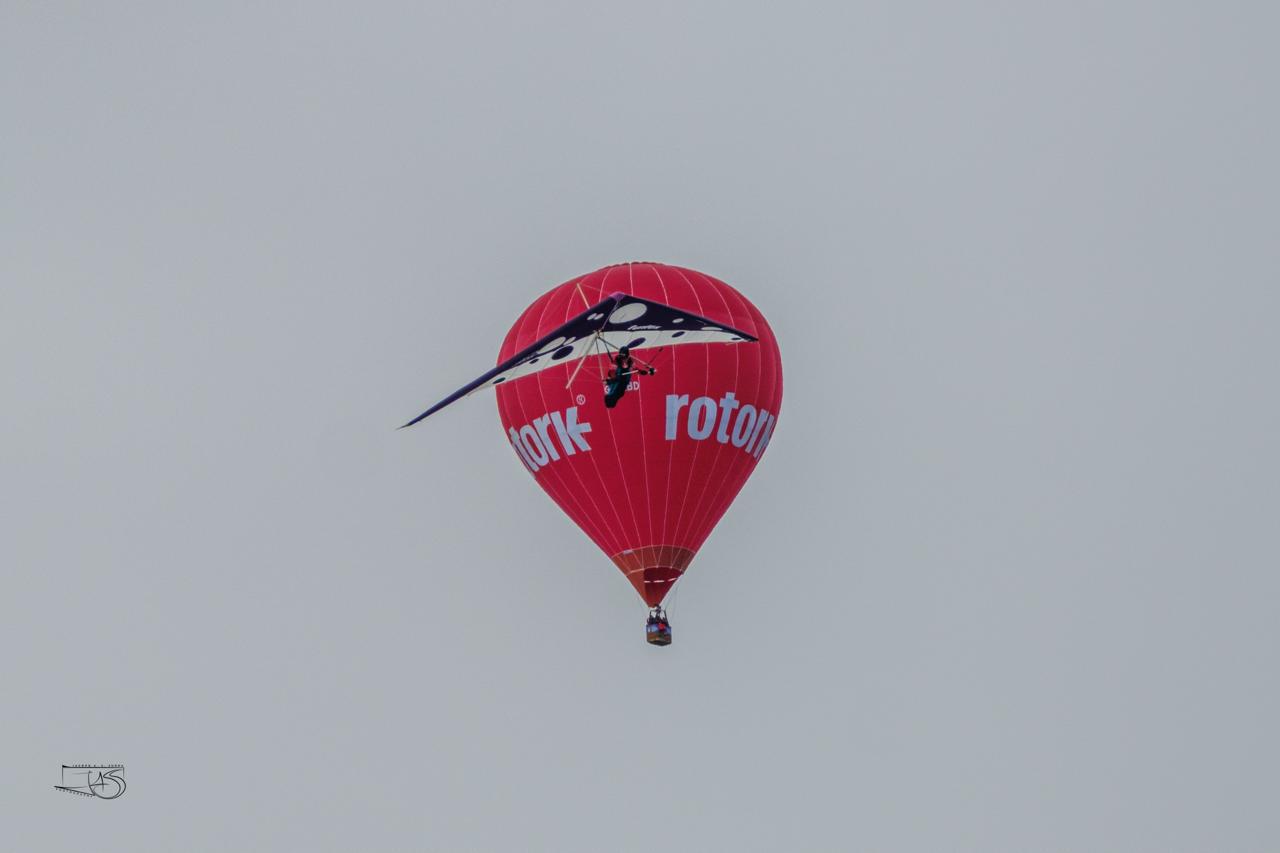
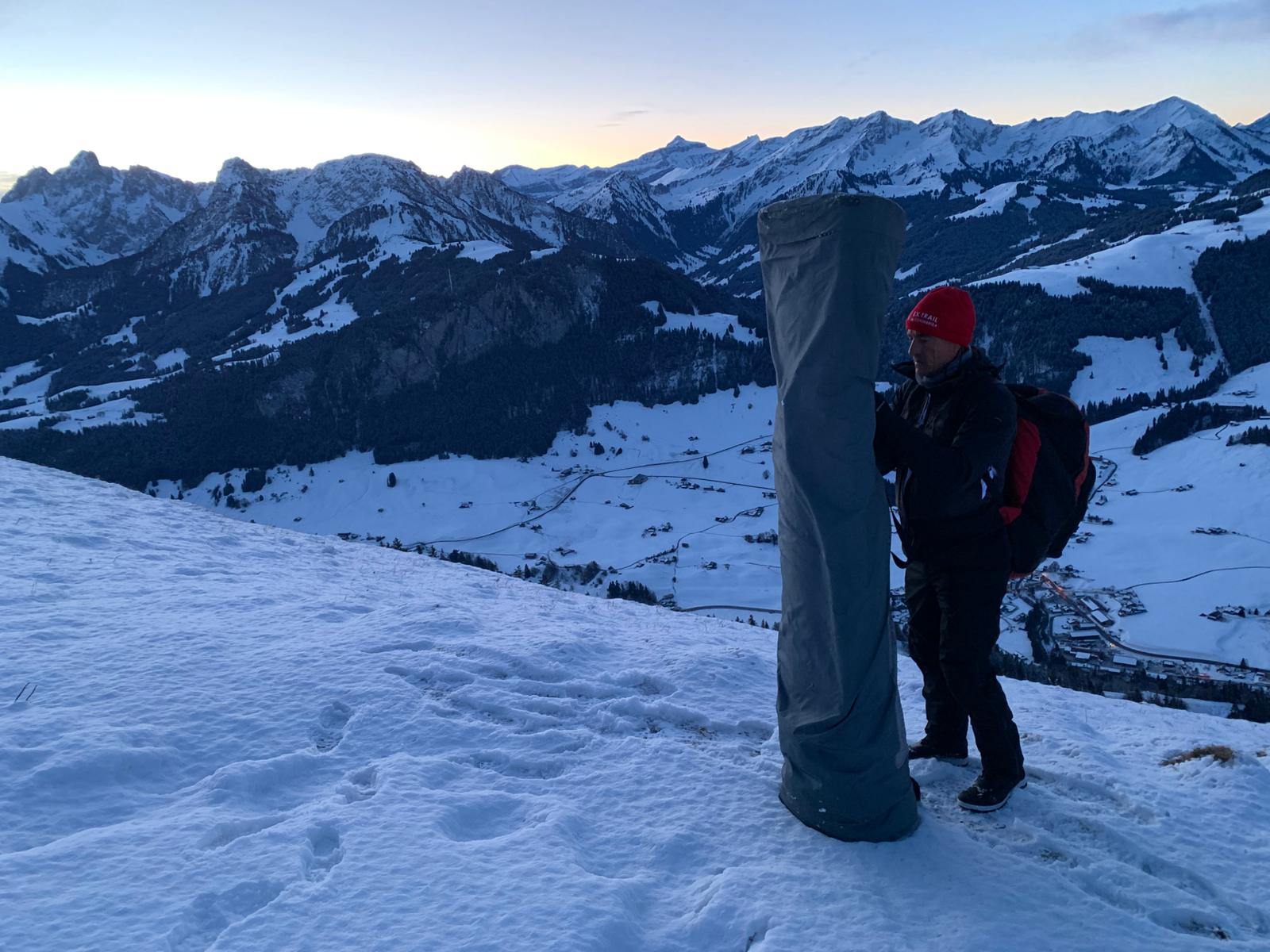
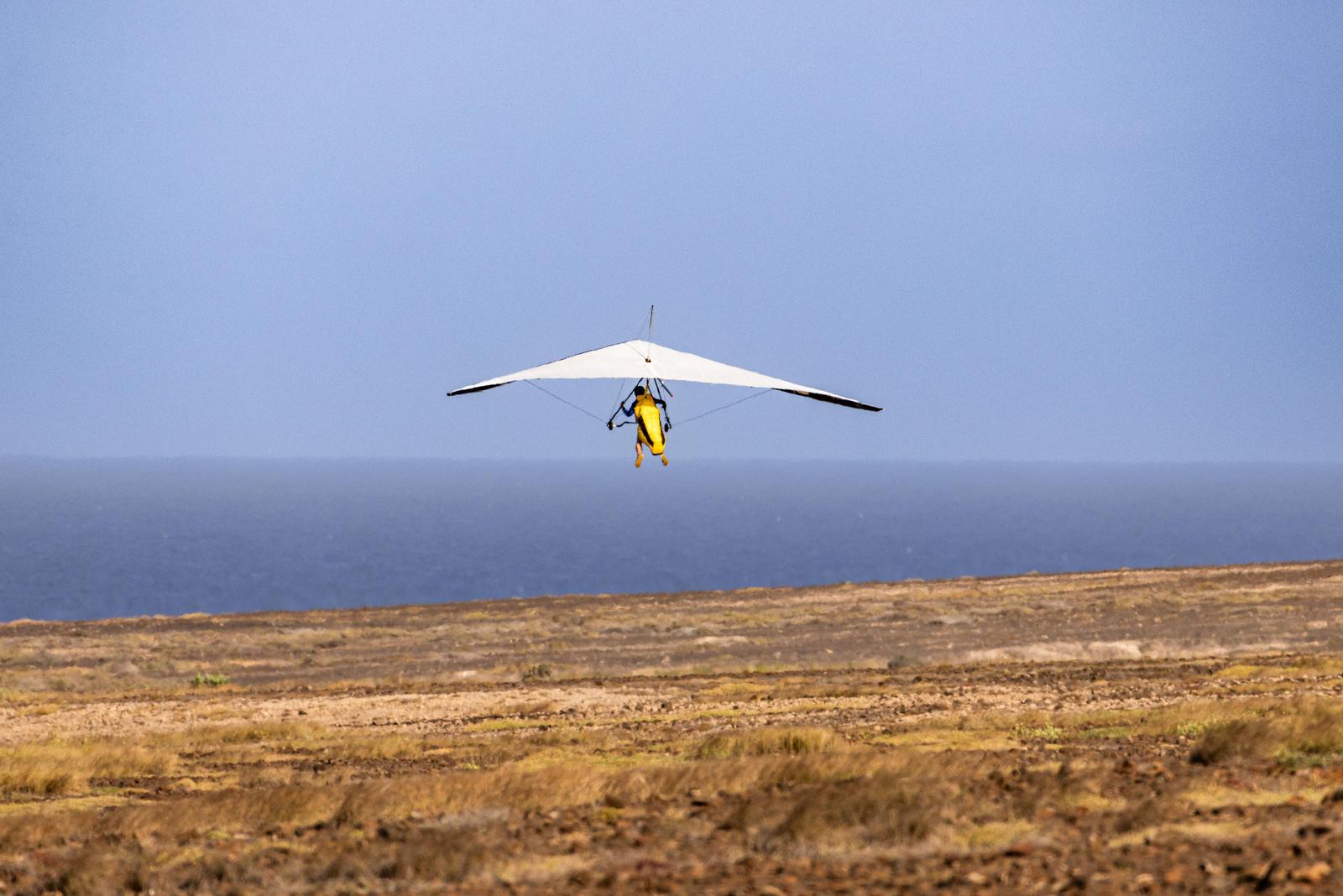
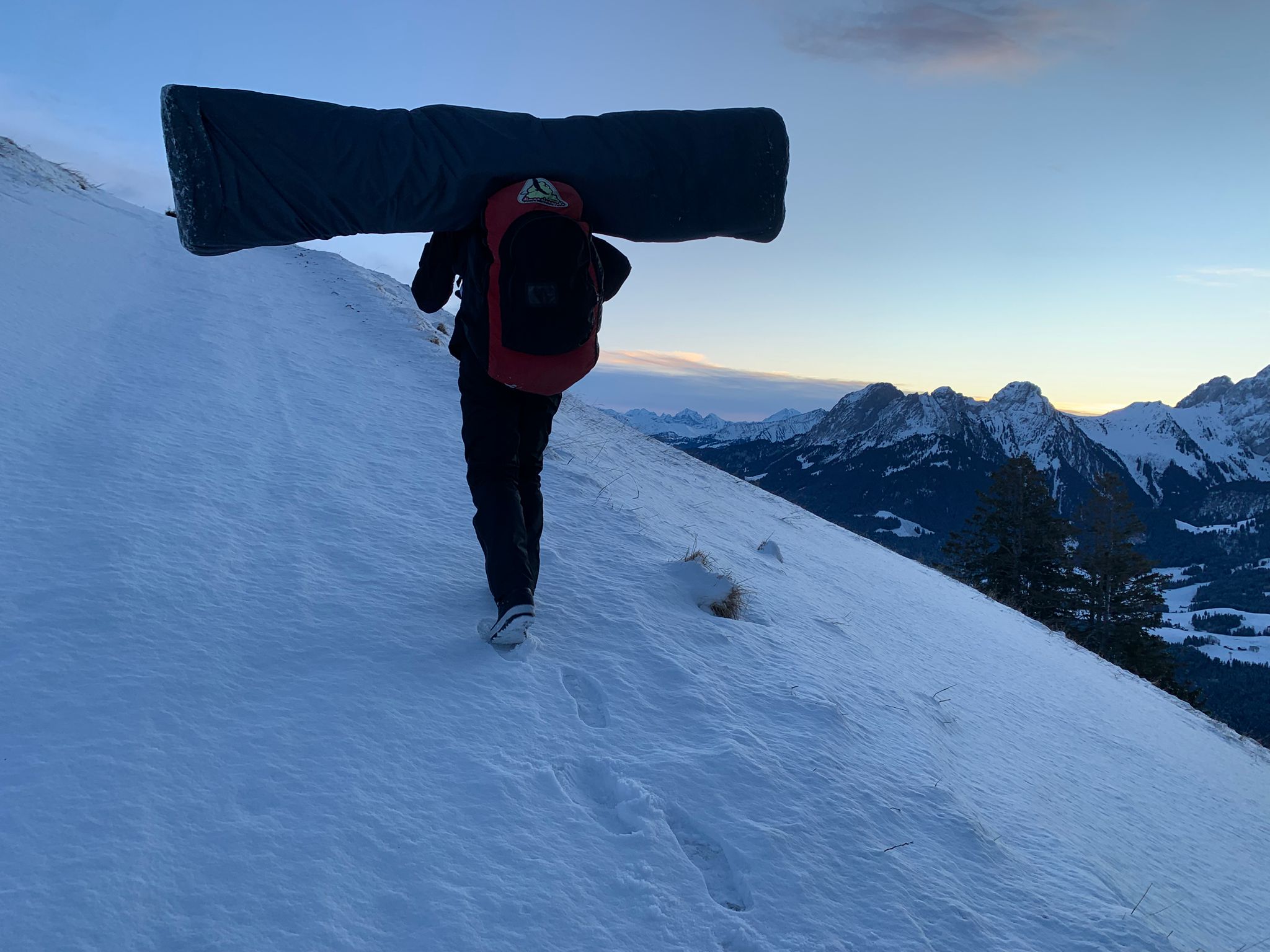
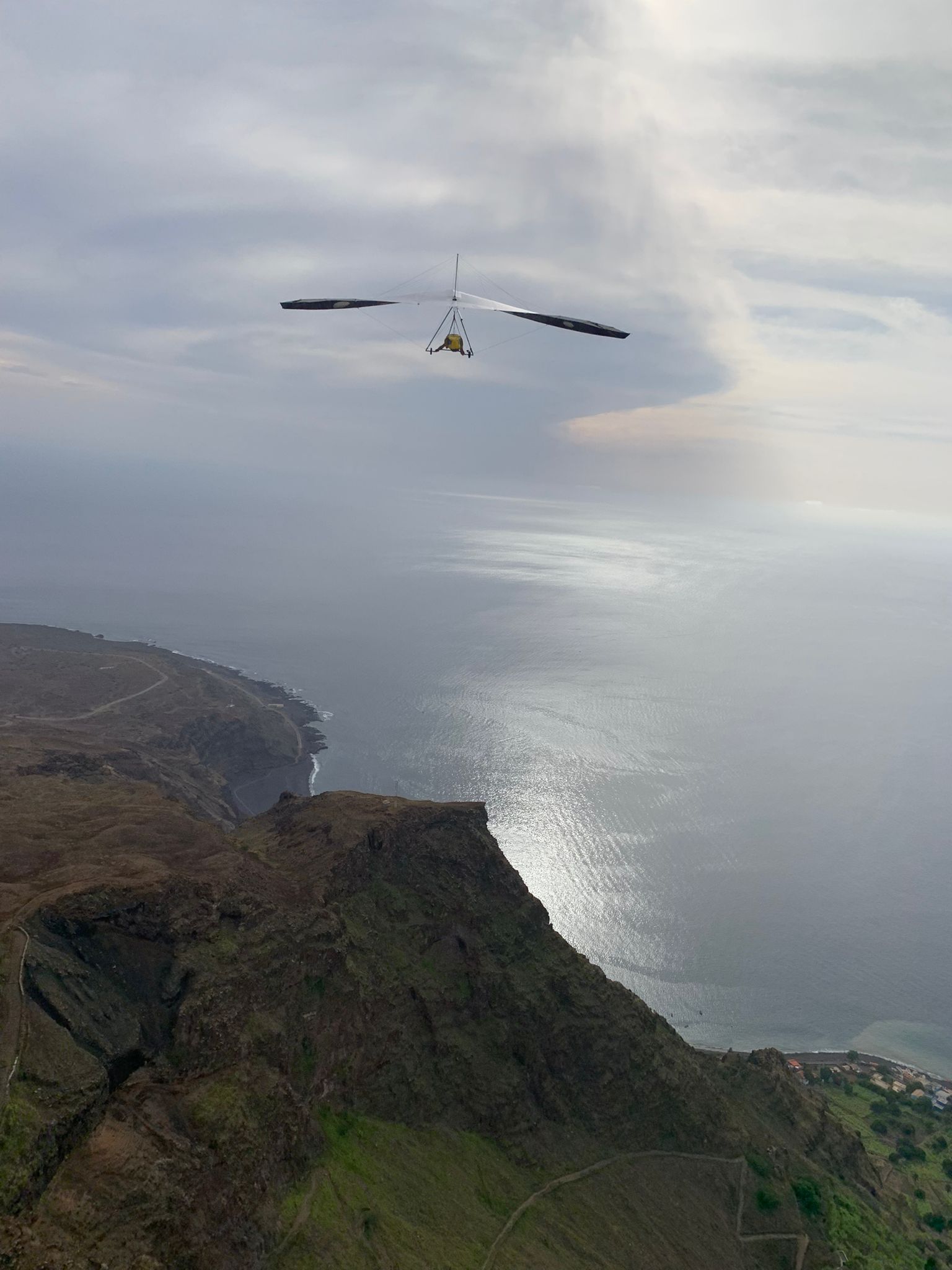
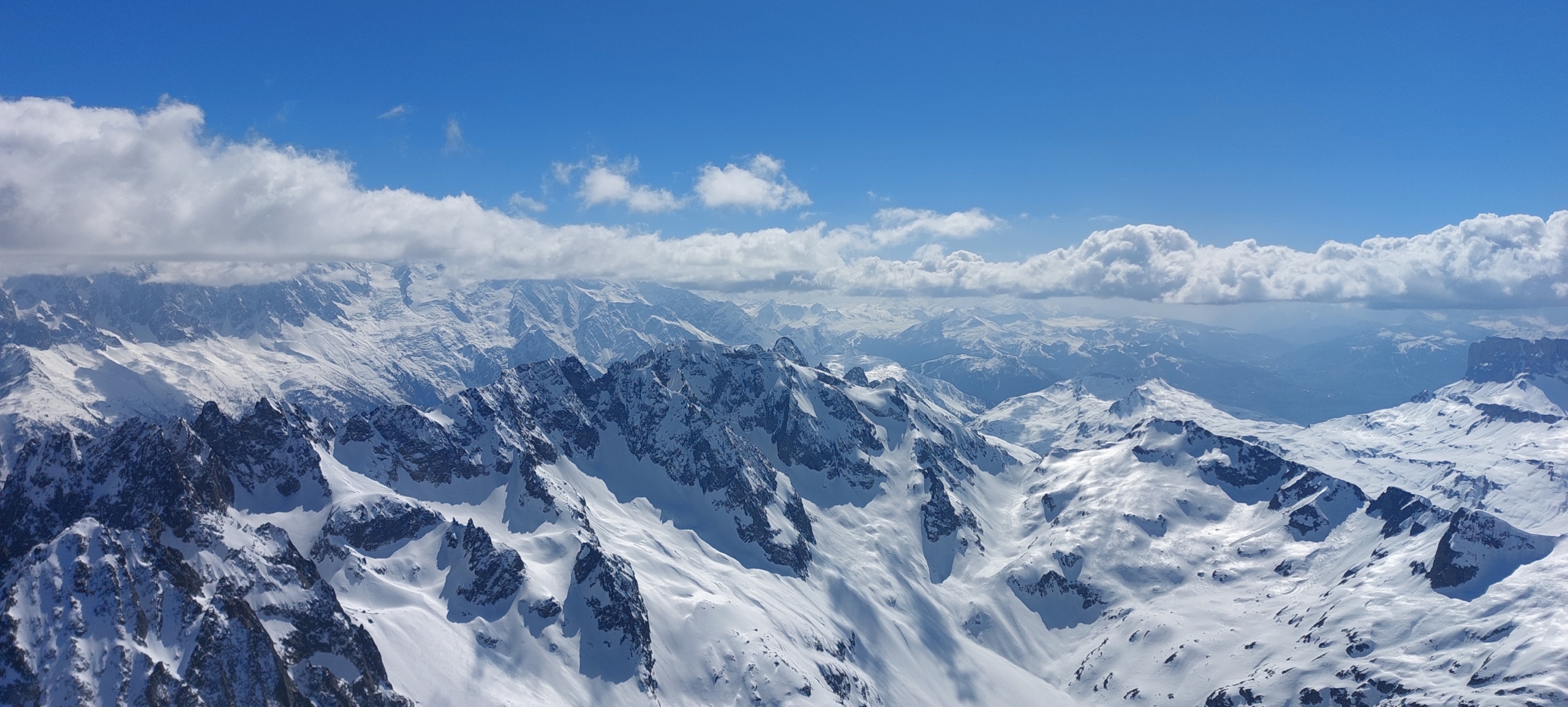
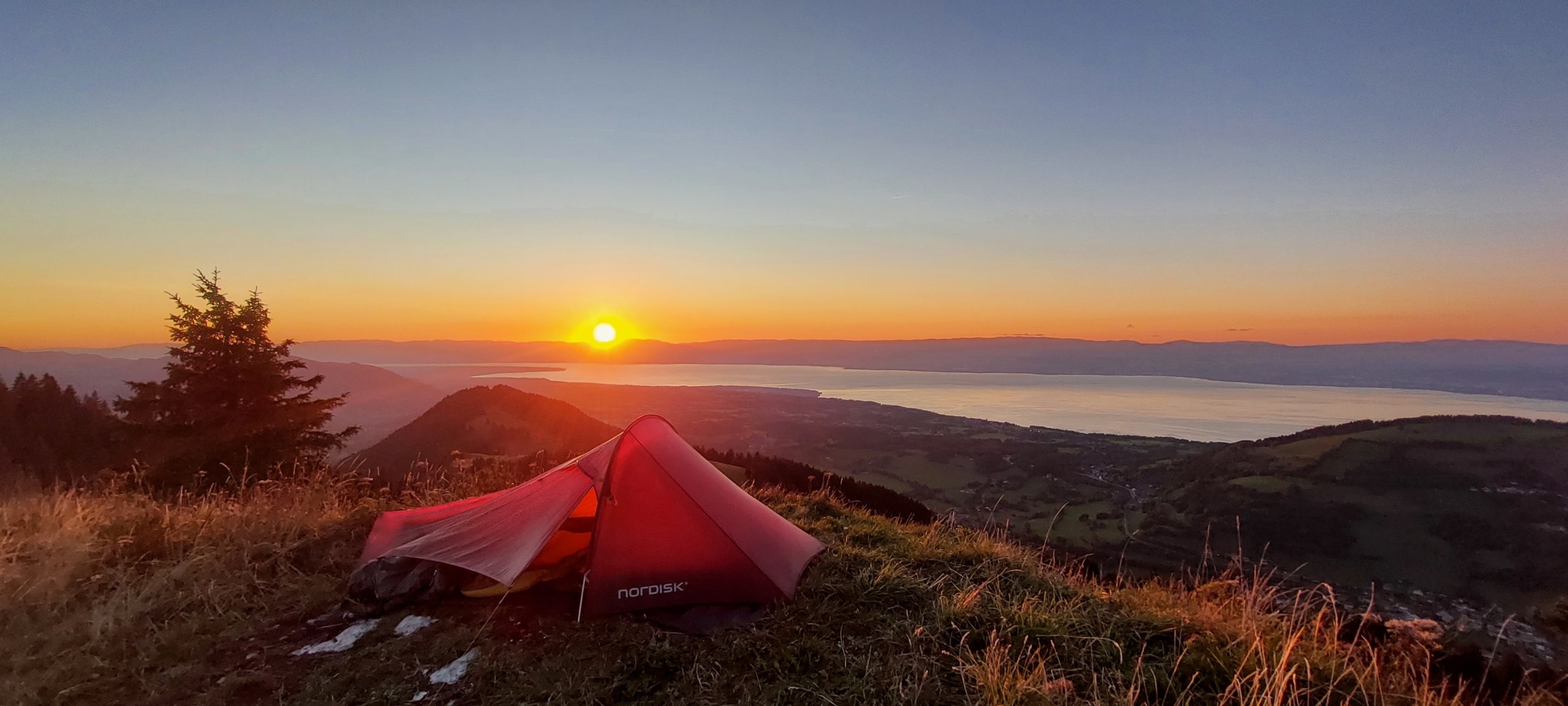
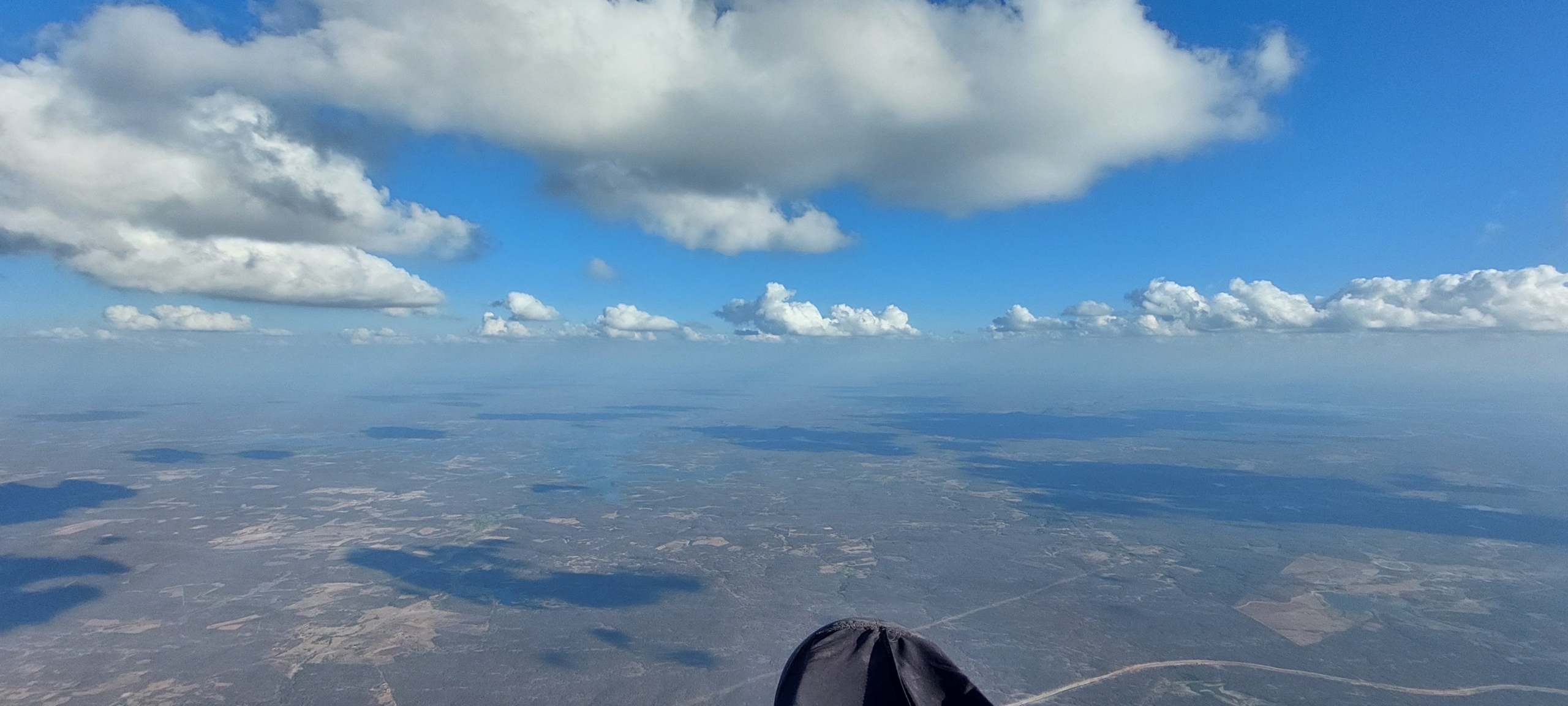
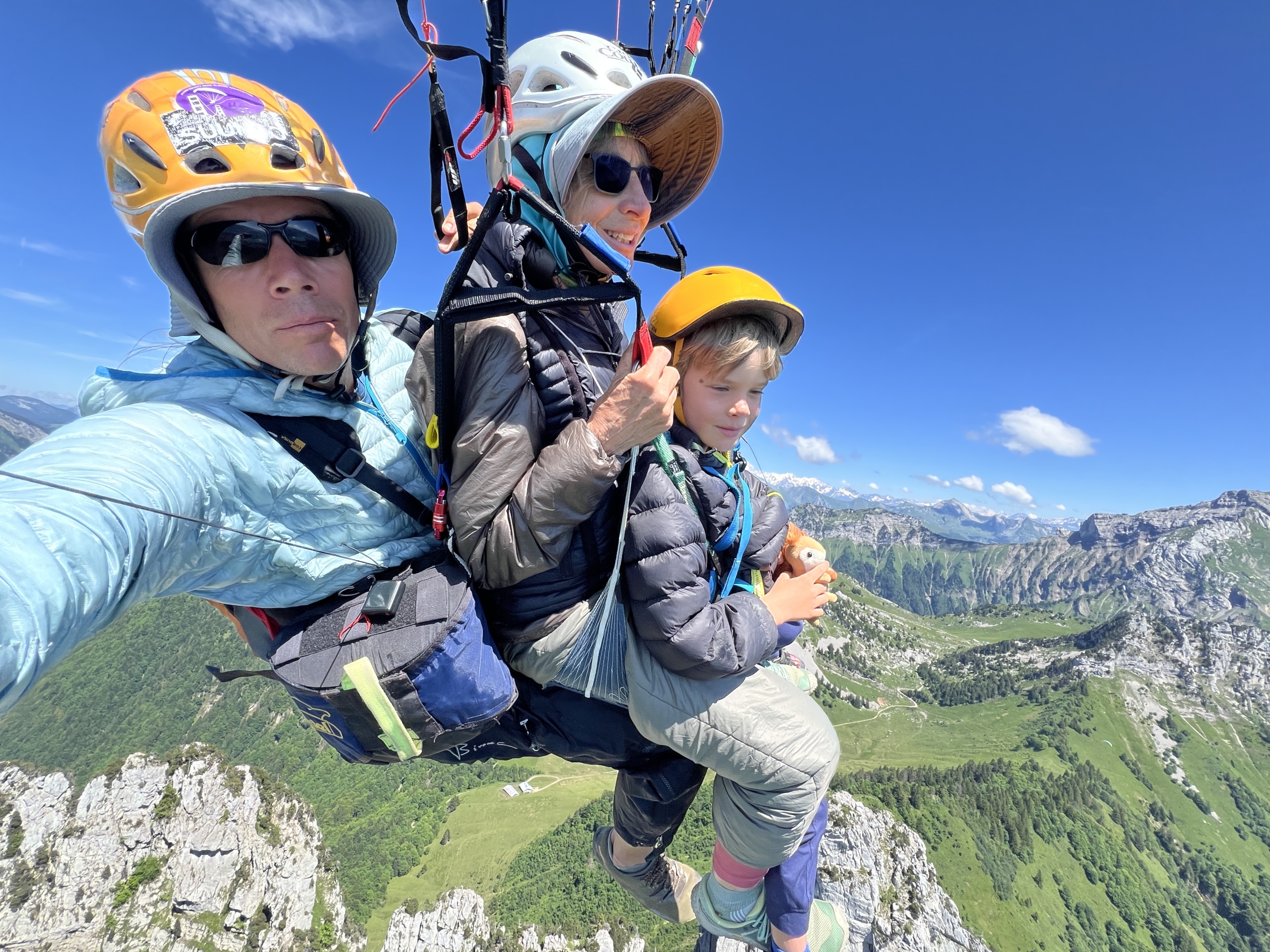
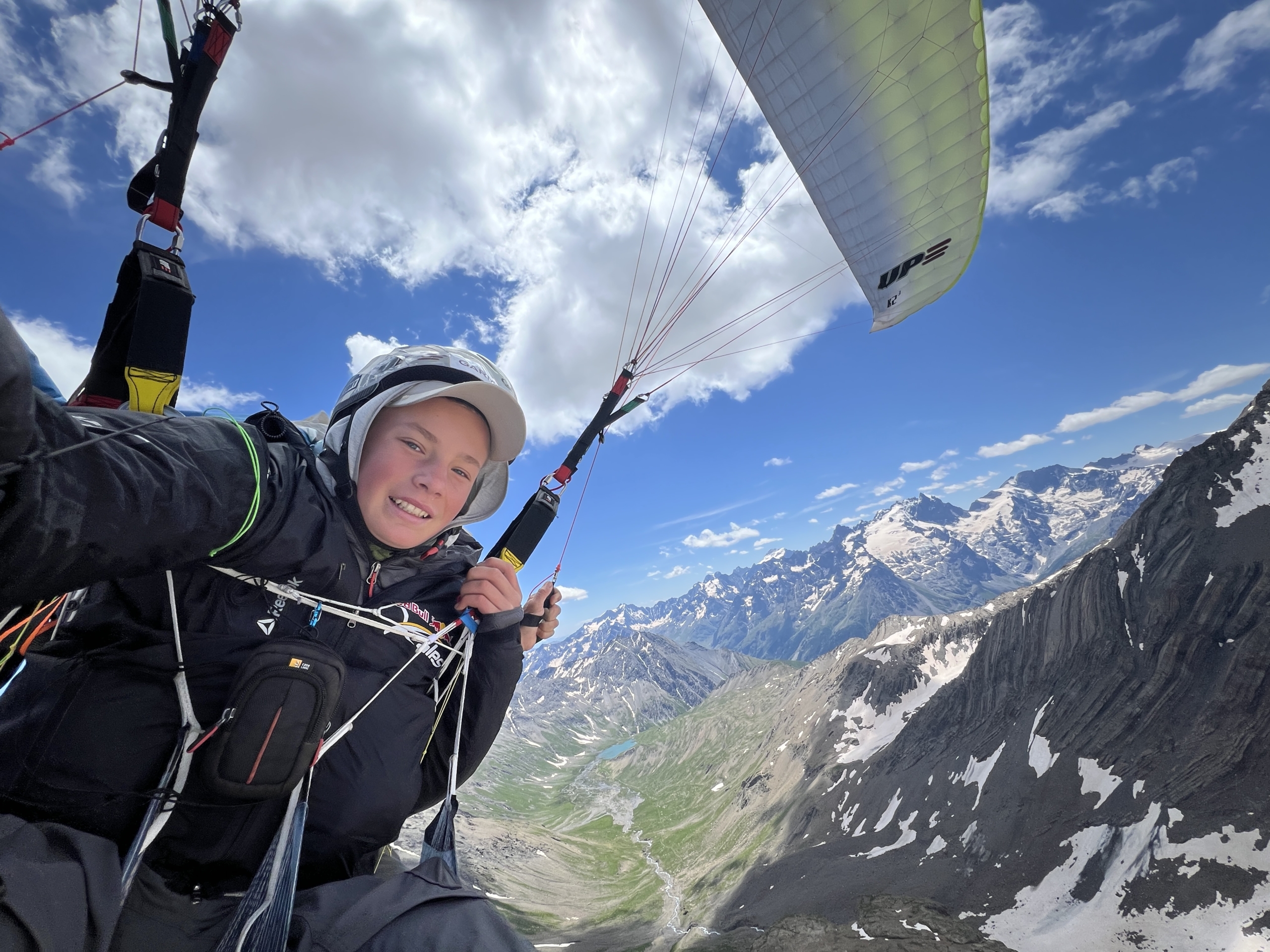
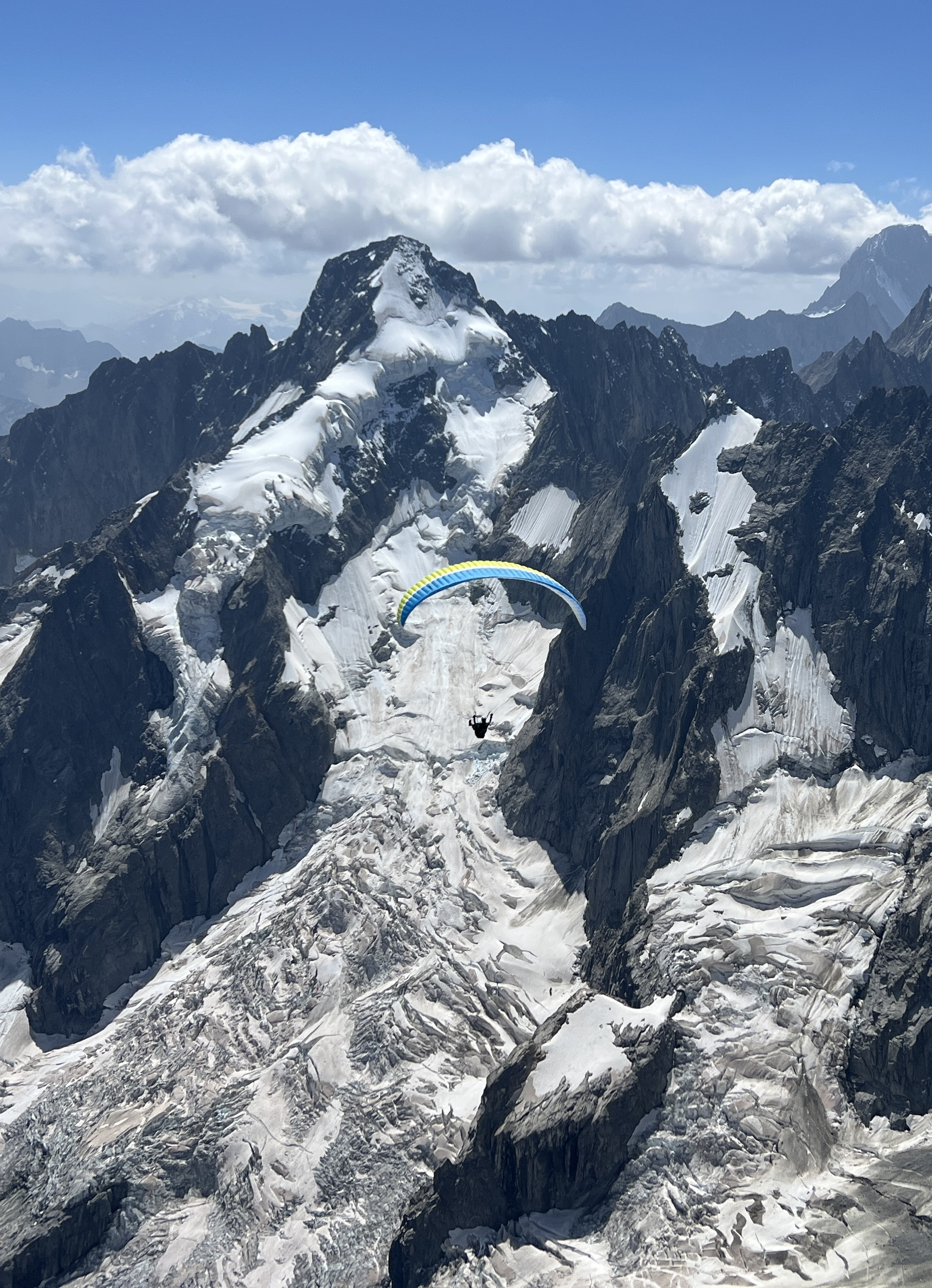
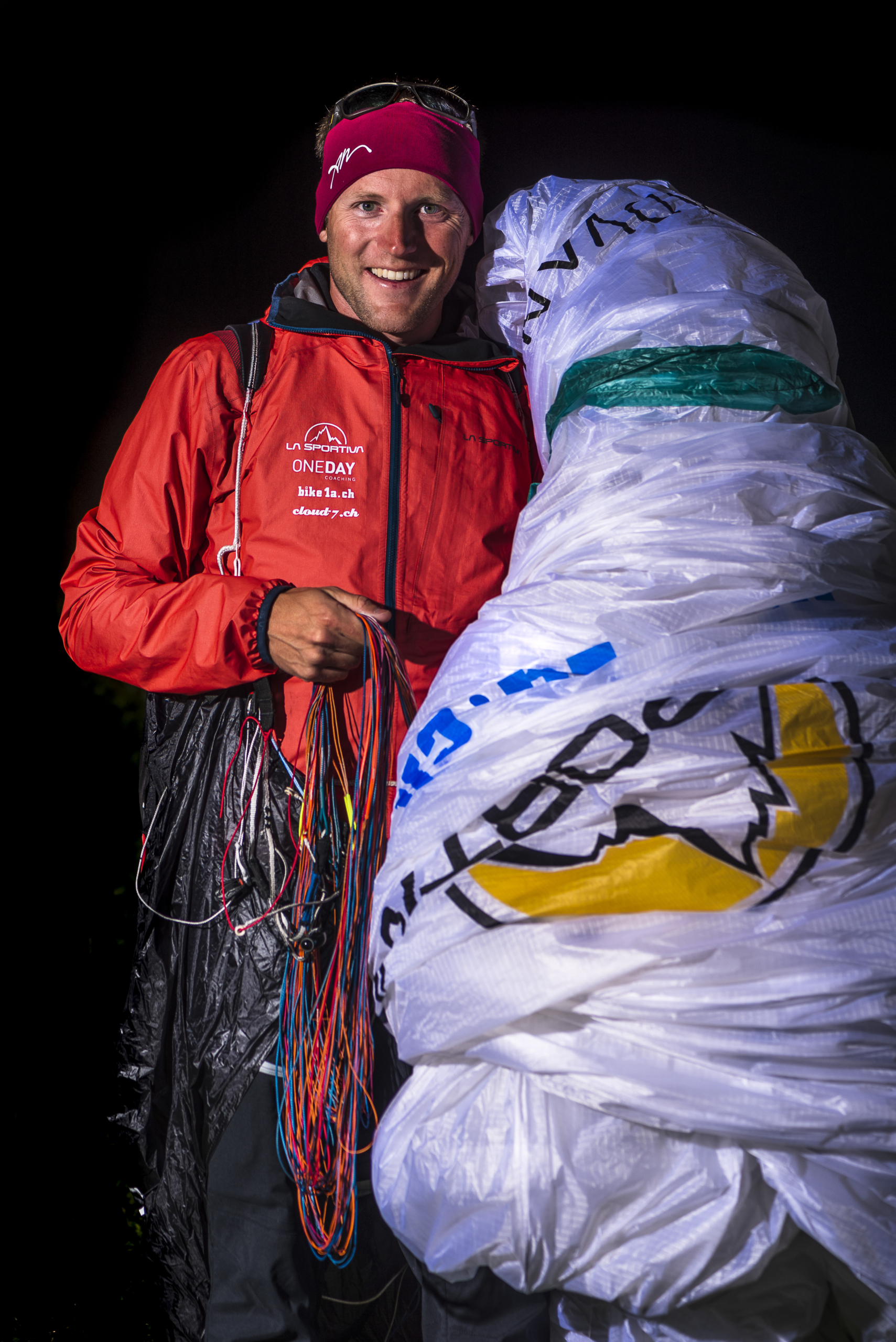
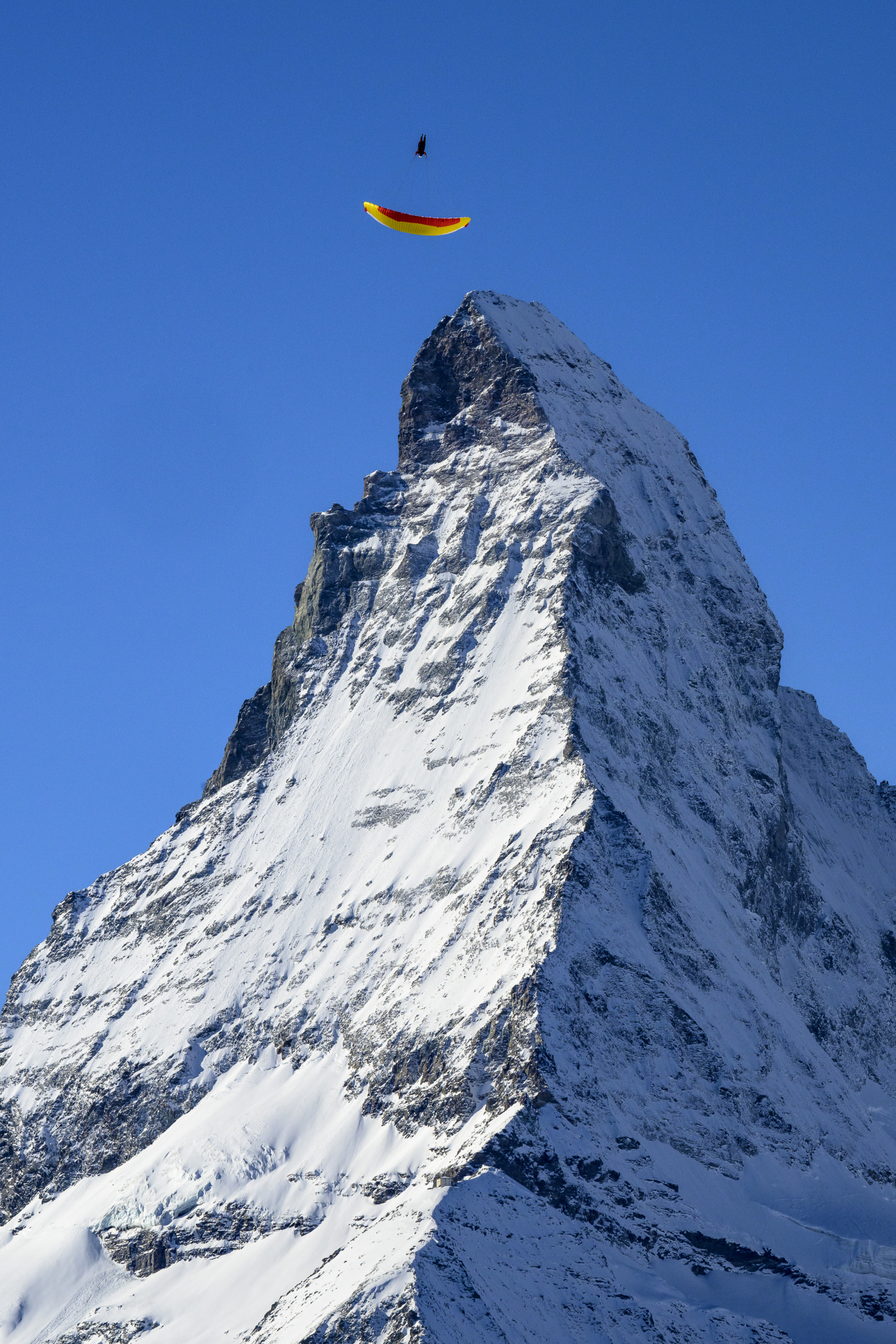
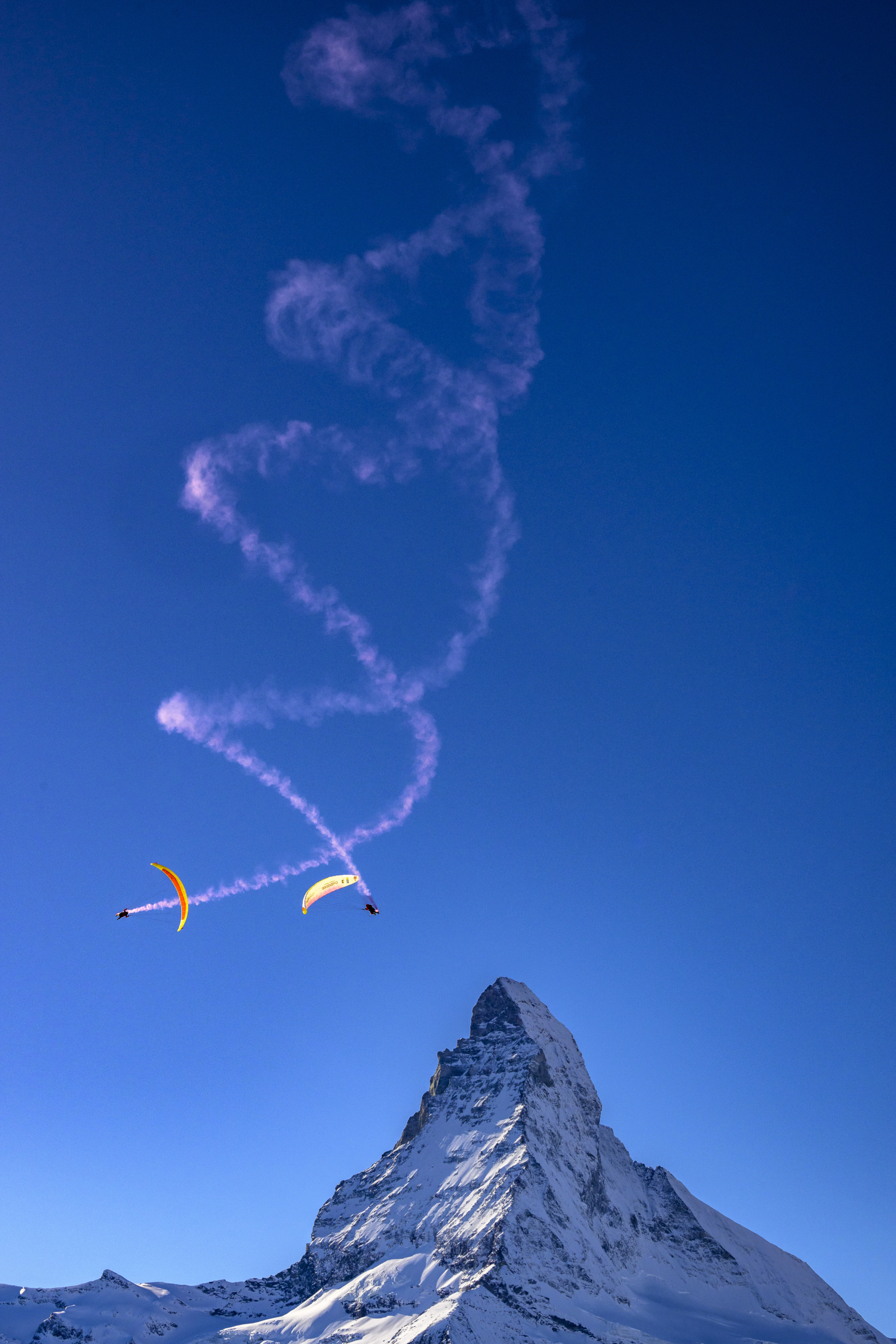
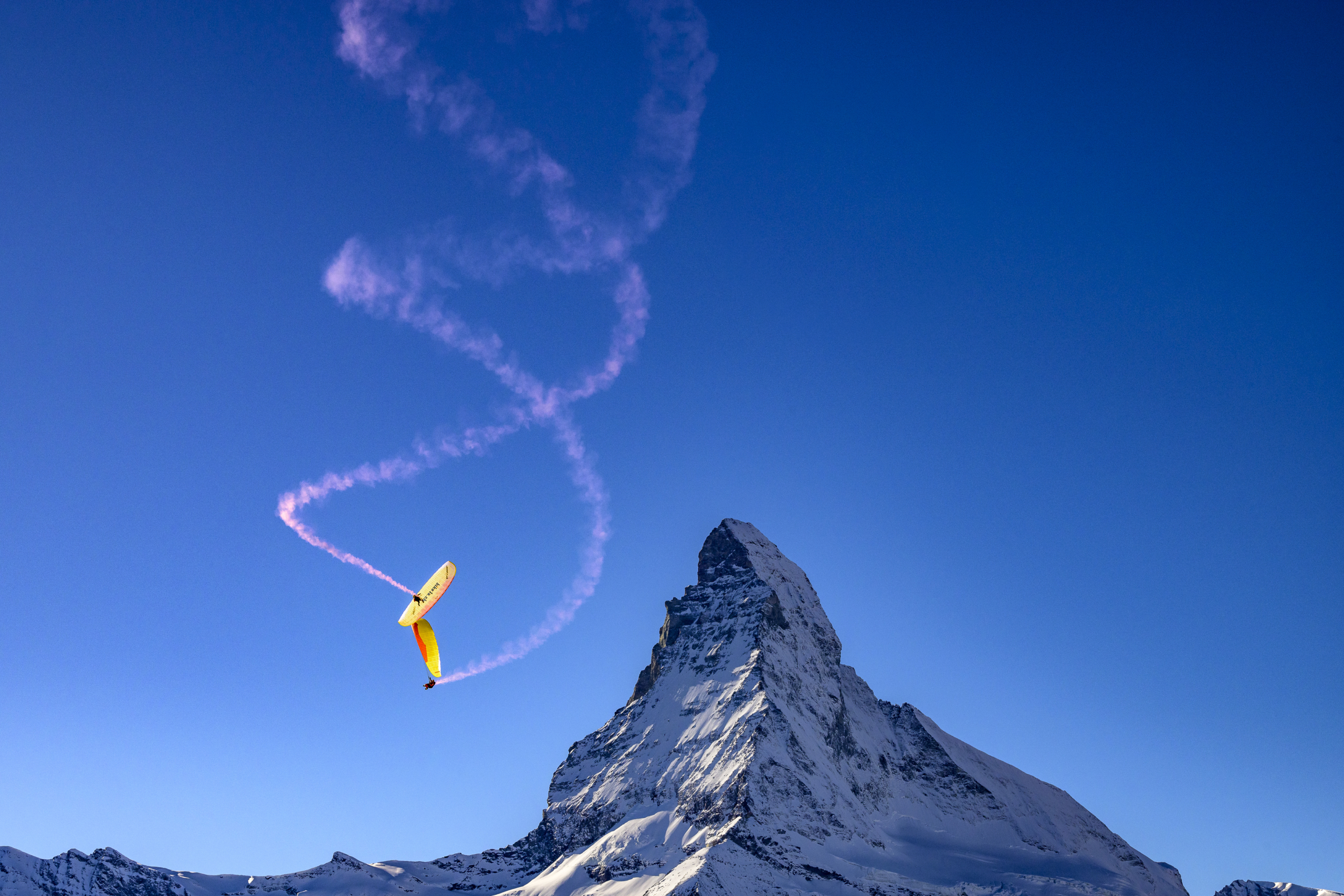
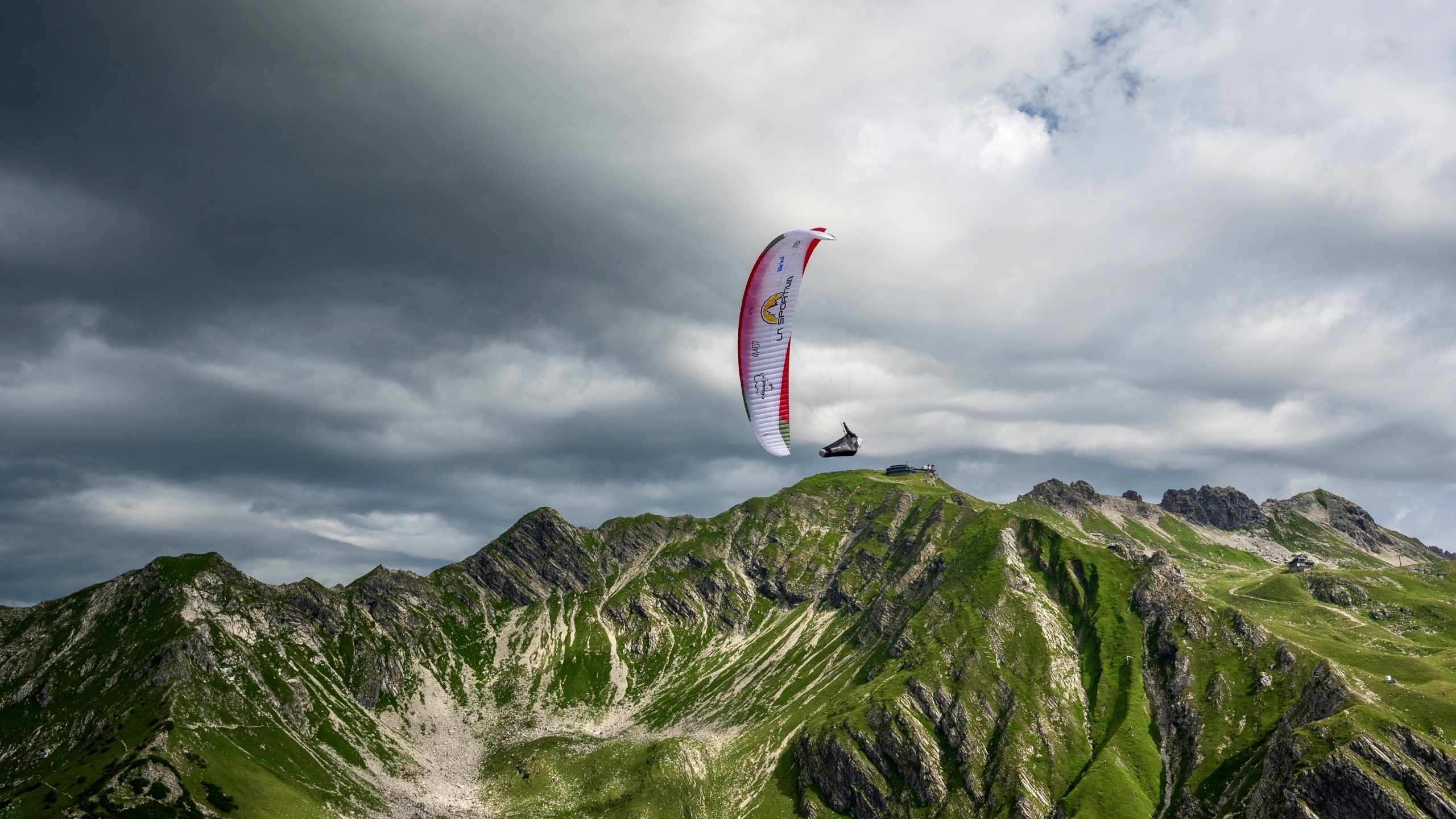
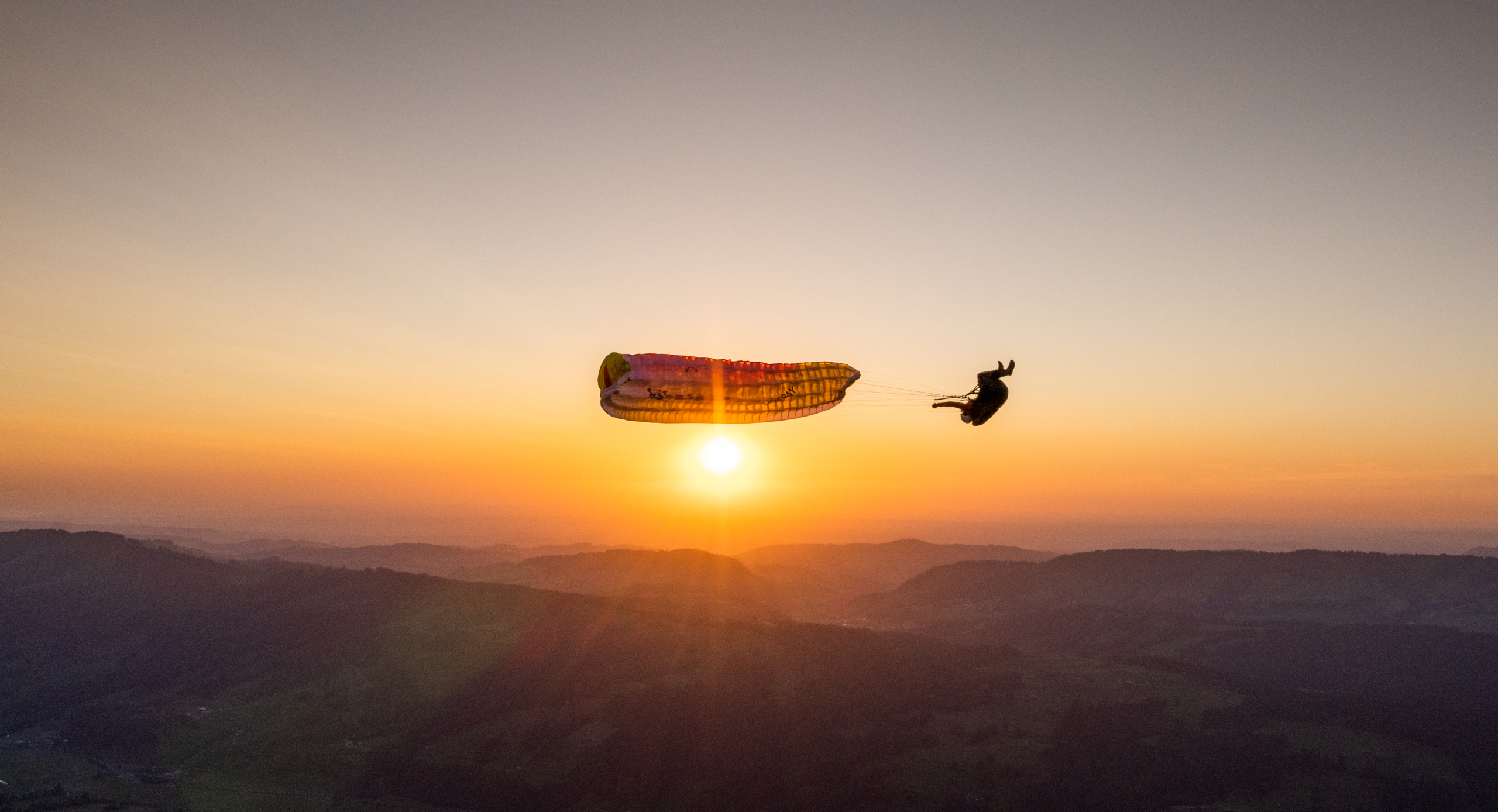
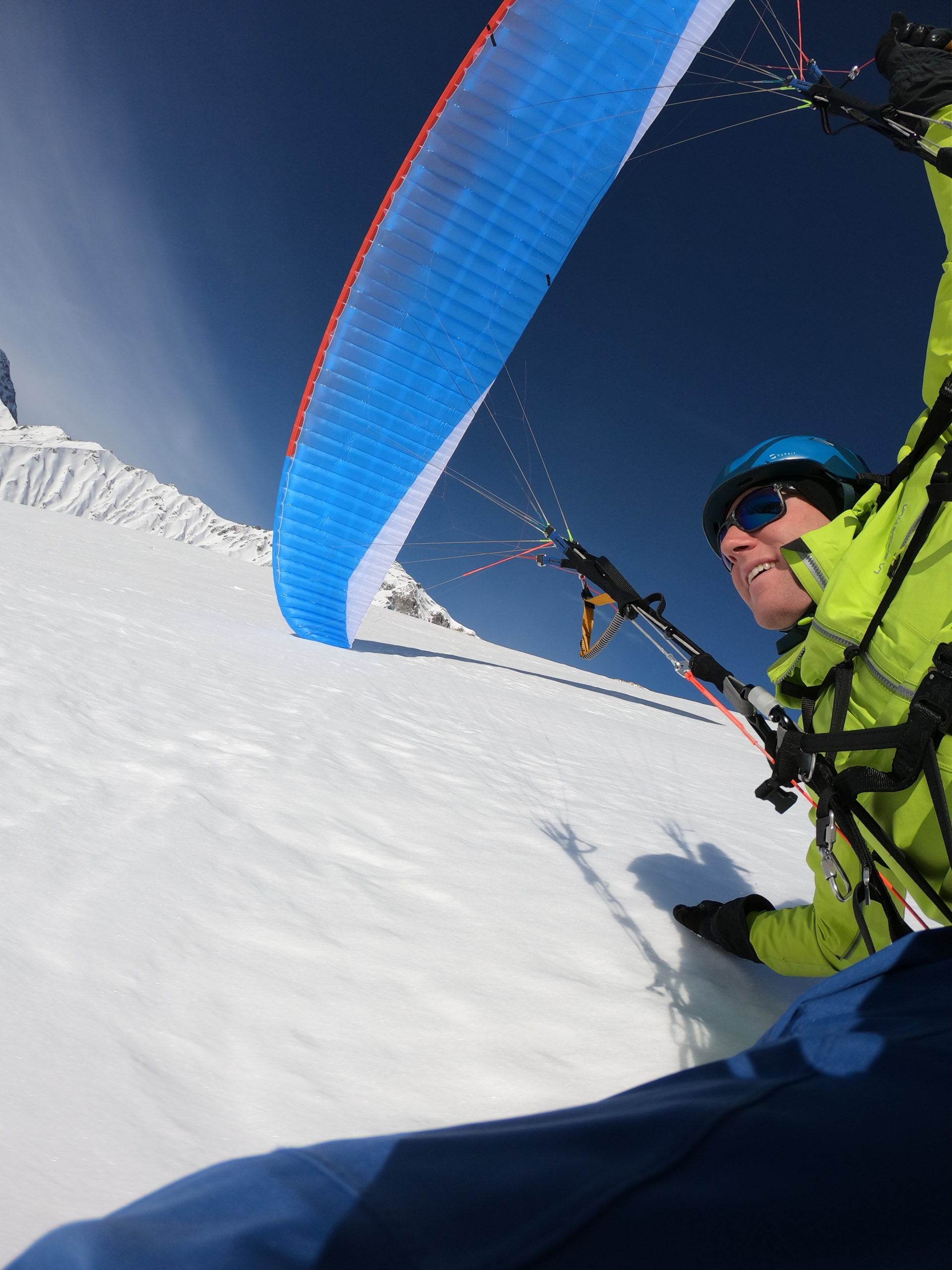
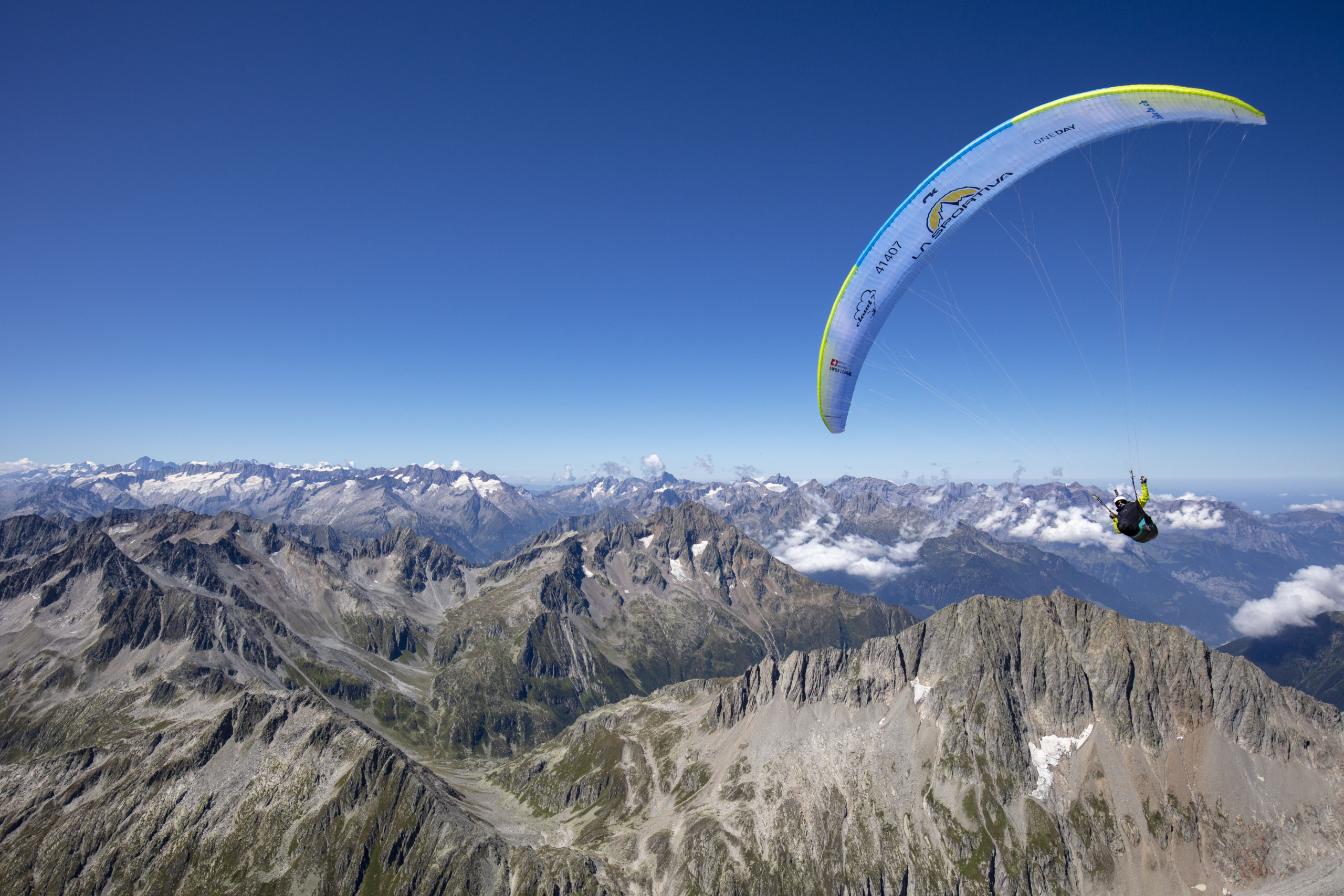
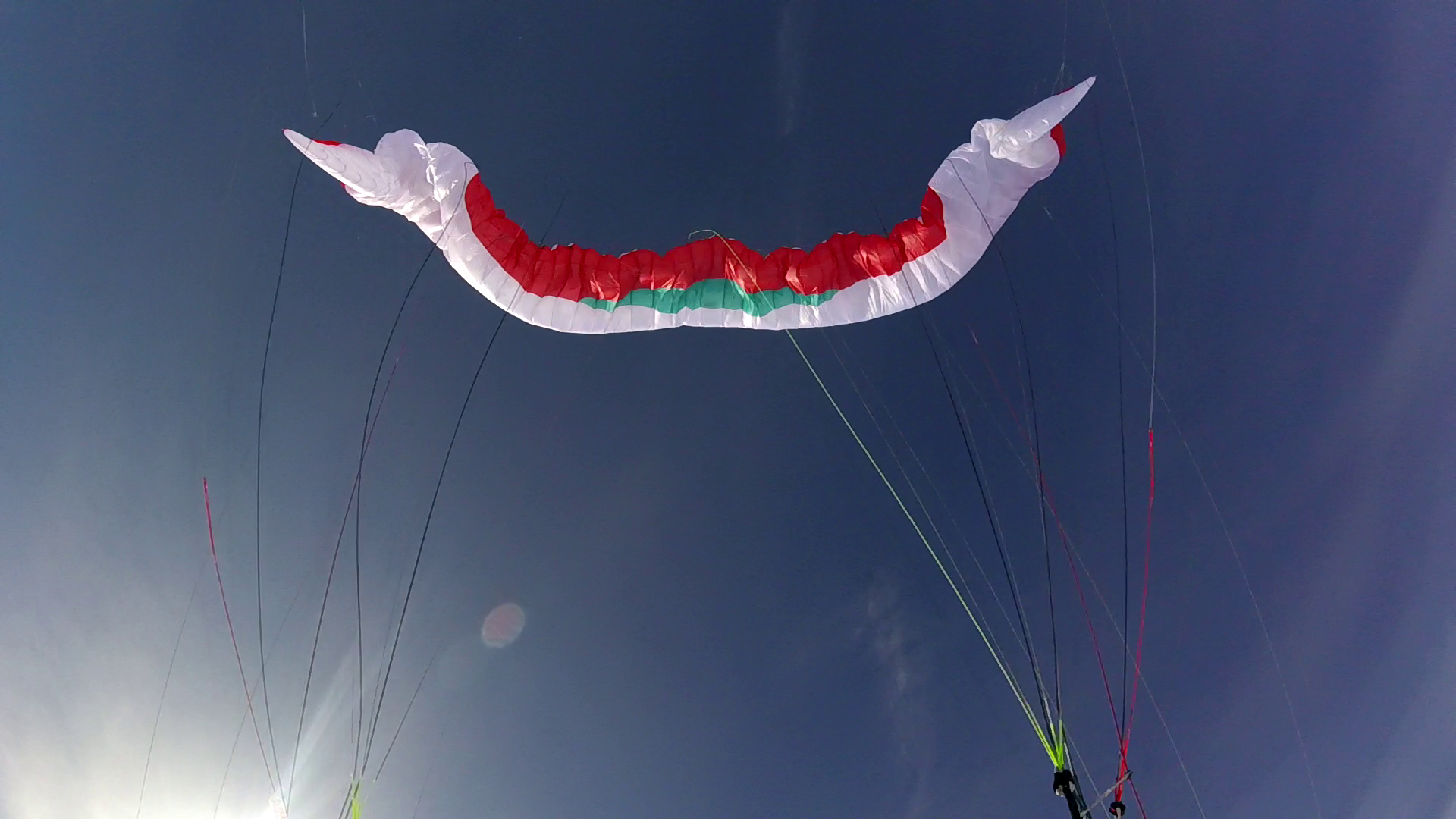
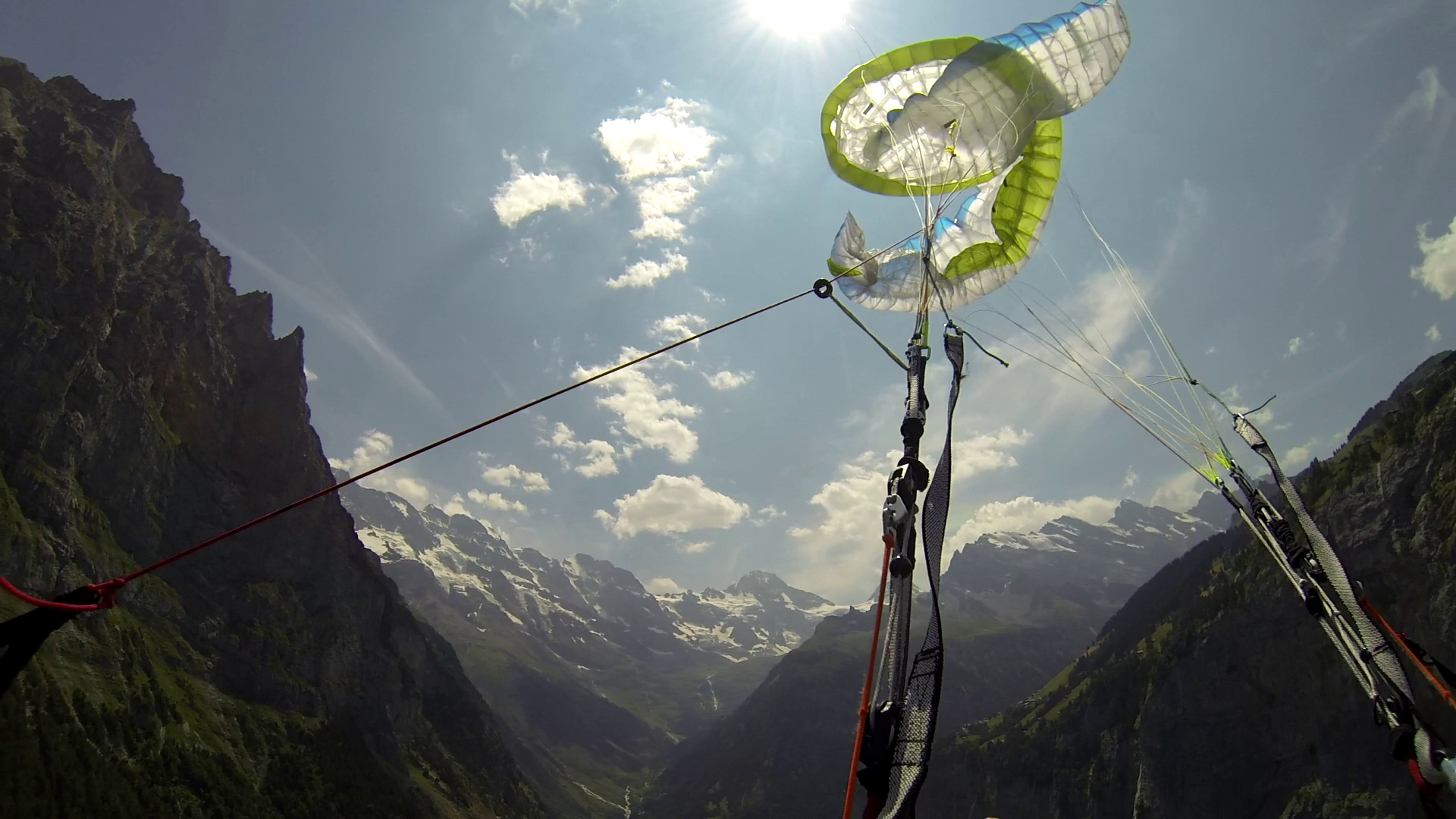
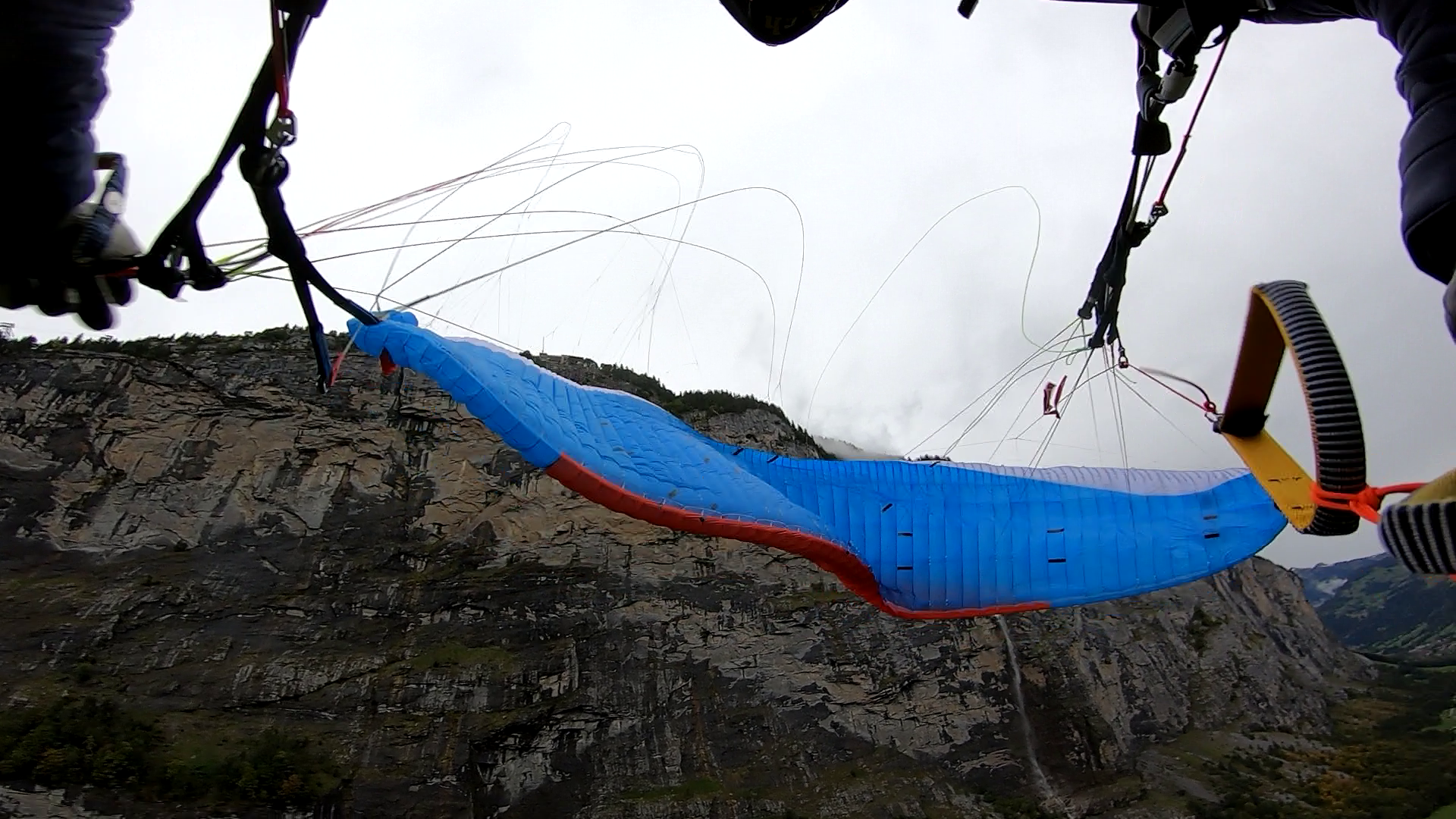
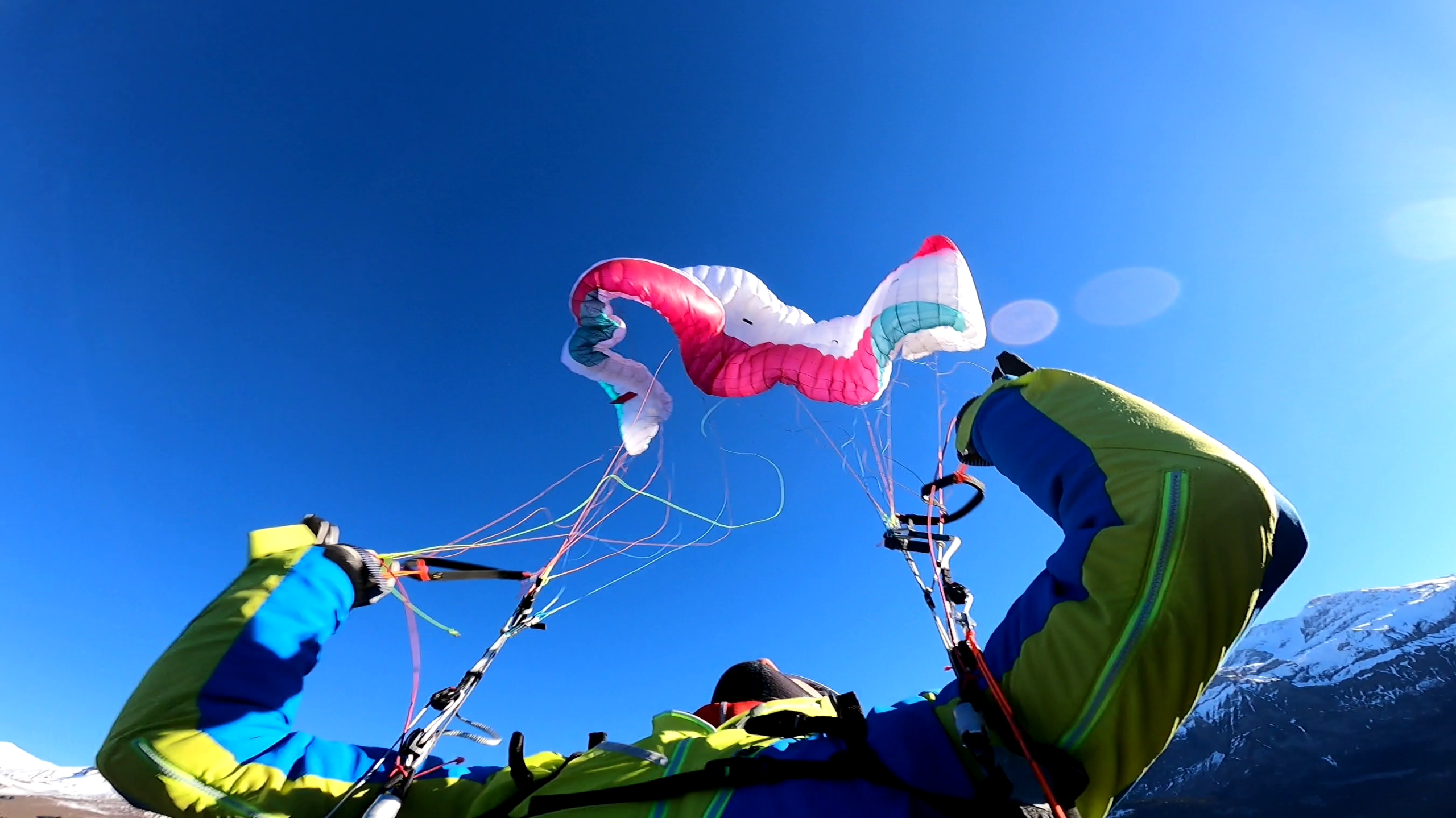
Austrian athlete Simon Oberauner has competed in the Red Bull X-Alps five times and has always finished in 6th place or better. In this year’s race he placed third for the second time, a mere seconds behind Lars Meerstetter after over 1200 kilometers (course line!) and 8 days of ferocious racing across the Alps. Simon reflects on his amazing experiences in this years race and the importance of attitude, teamwork, and training evolution. He shares insights on navigating risks, the legacy of the 8-time champion Chrigel Maurer, and offers suggestions for improving the race experience. Simon emphasizes the balance between safety and adventure, highlighting the need for understanding one’s strengths and the role of a supportive team in achieving success. Simon is the athlete everyone loves to love, he’s always smiling, always having fun, always relaxed. And clearly it works when it comes to results!
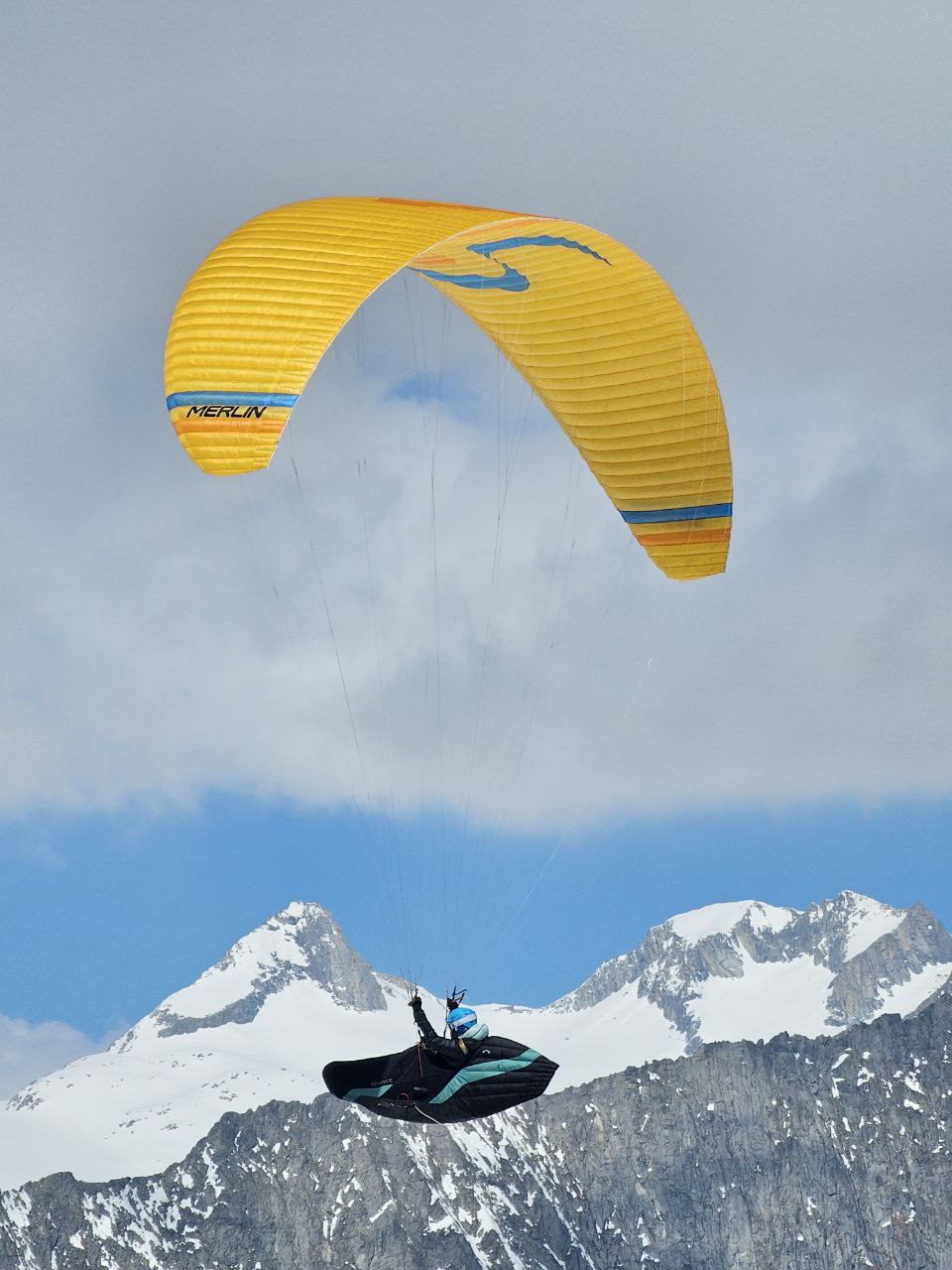
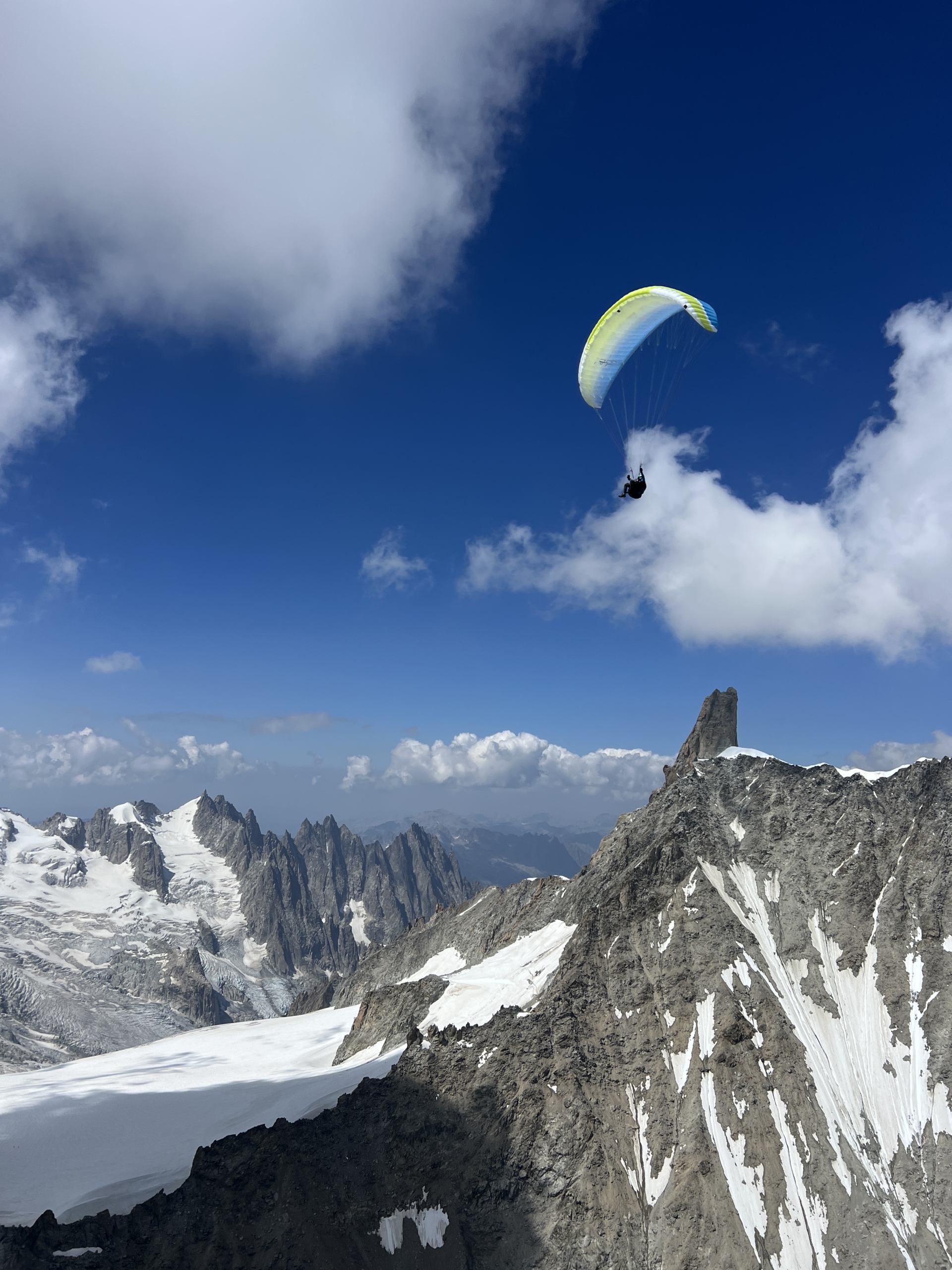
Simon competes in the 2025 Red Bull X-Alps. Photo Adi Geisseger
Support the Podcast
A buck an episode, that's all we ask
If you like what you hear, please consider becoming a subscriber to ensure our high-quality content continues. You can also help contribute to a healthier, greener planet through our partnership with Our Forest.
See our donation and subscription options here.
Listen to the Podcast
Listen to us on all the most popular podcast platforms:
Simon’s consistent performance in X-Alps showcases his dedication and skill. A positive attitude is crucial for success in challenging races. Team dynamics play a significant role in an athlete’s performance. Training should evolve with experience and competition demands. Understanding one’s strengths is key to navigating the race effectively. The importance of enjoying the journey, not just focusing on results. Kriegel’s legacy sets a high standard for competitors. Risk management is essential in adventure racing. The balance between safety and adventure is a constant challenge. Improvements in race organization can enhance the experience for athletes and fans.
Chapters
00:00 The Journey Begins: Reflecting on Past Races 05:21 The Secret to Success: Attitude and Enjoyment 09:16 Team Dynamics: The Importance of Support 14:18 Building a Winning Team: Roles and Responsibilities 23:07 Training Evolution: From Adventure to Competition 27:26 Key Insights for Aspiring Athletes 33:57 Kriegel’s Legacy: The Challenge of the Champion 40:39 Navigating Risks: Decisions in Adverse Conditions 49:20 The Nature of Adventure: Risk vs. Reward 01:04:15 The Future of X-Alps: Suggestions for Improvement
We depart from the Red Bull X-Alps in this episode and dive into a whole bunch of questions that have come in this past year from our listeners. And instead of answering them on my own we return to Karlis Jaunpetrovičs, former test pilot for BGD and current head of his own instructional SIV, coaching, and guiding (as well as running competitions) company Flying Karlis. We cover a lot of very solid ground here, especially when we got into reserves. Topics include:
• Stepping down in glider class
• Stepping up in glider class
• All about harnesses… open vs pod, fairing vs no fairing, seatboard vs hammock, sub vs non-sub.
• Coming back to paragliding after being away from it
• Stepping away from PG, what’s on the other side?
• A more practical discussion about SIV, also practicing maneuvers outside of SIV
• How to climb better
• How to forecast better
• How to glide better, and everyday speedbar use
• Mitigating the testosterone driven decision making afflicting our sport
• All about reserves from a reserve expert (round vs square vs rogallo, lightweight vs regular weight, how to decide the actual right size, actual lifespan of reserves, repacking them safely, factors on reserve/bridle connections, sink rate, why isn’t projected area advertised? In depth discussion about down-planing and size of reserves relative to size of wing, tips on throwing in different situations)”
Enjoy!
Support the Podcast
A buck an episode, that's all we ask
If you like what you hear, please consider becoming a subscriber to ensure our high-quality content continues. You can also help contribute to a healthier, greener planet through our partnership with Our Forest.
See our donation and subscription options here.
Listen to the Podcast
Listen to us on all the most popular podcast platforms:
Join us as we delve into the remarkable flying career of Celine Lorenz, a passionate paraglider who took to the skies at a young age. Discover how a tandem flight gift sparked her lifelong love for flying, leading her to save every penny for her license and equipment. Celine shares her early experiences, from working at her mother’s refuge in the Alps to fund her dream, to the determination that drove her to skip school for training. This episode captures the essence of Celine’s adventurous spirit and her unwavering commitment to flying which lead her to compete on the World Cup and the Red Bull X-Alps, competing this year for the second time. Celine shares her personal experiences navigating the race’s formidable challenges, from daring flights over rugged terrain to the mental resilience required to overcome setbacks. Discover how Celine’s strategic mindset and adaptability played a crucial role in her adventure, leading to unforgettable moments and lessons learned. Enjoy this inspiring tale of courage, determination, and the spirit of adventure that defined Celine’s race.
Support the Podcast
A buck an episode, that's all we ask
If you like what you hear, please consider becoming a subscriber to ensure our high-quality content continues. You can also help contribute to a healthier, greener planet through our partnership with Our Forest.
See our donation and subscription options here.
Listen to the Podcast
Listen to us on all the most popular podcast platforms:
In this conversation, four-time competitor and 2-time color commentator Gavin McClurg and 9-time competitor and Red Bull athlete Tom De Dorlodot discuss Tom’s continued recovery journey after a serious injury over a year ago snow-kiting in Norway and his recent emotional return to flying. They reflect on both of their recent Red Bull X-Alps experiences this June, exploring the dynamics of risk management in paragliding, the influence of gear and technology on performance, and the impact of media on the public perception of risk. The conversation also touches on the camaraderie among pilots and the future of the Red Bull X-Alps, emphasizing the balance between competitiveness and safety in high-stakes flying. We discuss the complexities of paragliding competitions, particularly the Red Bull X-Alps. They explore the pressures faced by athletes, the role of the organization when it comes to safety, and the tricky balance between racing and responsibility. The discussion also touches on the evolution of the race, the impact of increased turn points on strategy and safety, and the need for qualifying standards to enhance safety and performance. They emphasize the importance of community feedback and the future direction of the race, advocating for a more collaborative approach to improve the experience for all participants.
Support the Podcast
A buck an episode, that's all we ask
If you like what you hear, please consider becoming a subscriber to ensure our high-quality content continues. You can also help contribute to a healthier, greener planet through our partnership with Our Forest.
See our donation and subscription options here.
Listen to the Podcast
Listen to us on all the most popular podcast platforms:
Tom’s emotional return to flying after recovery. The importance of community support in paragliding. Experiencing the X-Alps from a support role offers new insights. Risk management is crucial in high-stakes flying. Gear choice can significantly impact performance. Media coverage influences public perception of risk. The camaraderie among top pilots is essential for success. Athletes must balance competitiveness with safety. The evolution of safety standards in paragliding. Future X-Alps may see changes in risk management strategies. The pressure on organizers is increasing while pilots face less accountability. Safety in paragliding competitions is a shared responsibility between athletes and organizers. The thrill of flying comes with inherent risks that pilots must manage. The evolution of the race has introduced new challenges and pressures for athletes. Turn points can create unnecessary stress and detract from the adventure aspect of the race. Athletes should be encouraged to make their own decisions regarding safety and risk. The need for mental coaching and preparation for athletes is crucial. Community feedback is essential for the future of the race and its organization. The balance between safety measures and the spirit of adventure is delicate. Qualifying standards could enhance the safety and competitiveness of the race.
Sound Bites
“It’s been a year of times in the hospital.” “Your extreme is all normal.” “We need a very clear vision for 2027.”
Chapters
00:00 Introduction and Overview of the Conversation 03:01 Tom’s Recovery Journey and Recent Flights 05:51 Life on the Island and Community Connections 08:49 Experiencing the X-Alps from a Support Role 11:51 Insights on Risk Management in Paragliding 15:02 Comparing Racing Strategies and Mindsets 17:45 Weather Conditions and Their Impact on Performance 20:59 The Role of Gear in Competitive Paragliding 23:51 Kriegel’s Performance and Emotional Decisions 26:48 Conclusion and Future Outlook 33:00 The Art of Technical Piloting 34:45 Gear Decisions and Performance 39:04 The Champion’s Mindset and Comeback 42:28 Risk Management in Adventure Racing 52:04 The Balance of Freedom and Safety 01:01:09 The Evolution of Paragliding Safety 01:11:25 The Risks and Responsibilities of Paragliding 01:14:05 Adventure vs. Competition in Racing 01:16:46 The Impact of Turn Points on Racing Dynamics 01:20:08 The Evolution of Race Strategy and Pressure 01:23:49 Preparing Athletes for the Challenges Ahead 01:26:43 Constructive Feedback and Community Engagement 01:31:52 The Importance of Sportsmanship and Respect 01:39:50 The Future of Racing and Community Collaboration
Just hours after the athletes finished this years stunning Red Bull X-Alps I caught up with Tanguy Renoud-Goud (FRA 4), Rémi Bourdelle (FRA 5), Jared Scheid (USA), Juraj Koreñ (SVK), Jean De Biolley (BEL 2) and Shane Tighe (AUS) to quickly get their highs and lows from the race, most memorable moments and the toughest question to answer- will they do it again? We are releasing this podcast as a regular audio podcast as well as a video version. All the recordings were done at the athlete camp. Tuck in!
Support the Podcast
A buck an episode, that's all we ask
If you like what you hear, please consider becoming a subscriber to ensure our high-quality content continues. You can also help contribute to a healthier, greener planet through our partnership with Our Forest.
See our donation and subscription options here.
Listen to the Podcast
Listen to us on all the most popular podcast platforms:
In this conversation, Belgian pilot Koen Vancampenhoudt shares his journey as a paraglider, highlighting his record-breaking flight in Mexico, the challenges he faced, and his early experiences flying with zero information in Fiji. He reflects on the importance of safety training, the thrill of downwind flying, and the lessons learned throughout his flying career. Koen emphasizes the need for proper instruction and the value of learning from experiences, both good and bad, in the world of paragliding. In this often hysterical episode Koen shares his journey as a paragliding enthusiast and salesman, discussing the challenges and triumphs of flying in the Carolinas, his several experiences with legal troubles, and the importance of community in the sport. He reflects on his goals before turning 50, including long-distance flying and mastering acro techniques, while also emphasizing the need for proper coaching and the thrill of towing. The discussion highlights the balance between personal aspirations and family life, as well as the camaraderie built through the Carolina Tow Club. Enjoy!
Support the Podcast
A buck an episode, that's all we ask
If you like what you hear, please consider becoming a subscriber to ensure our high-quality content continues. You can also help contribute to a healthier, greener planet through our partnership with Our Forest.
See our donation and subscription options here.
Listen to the Podcast
Listen to us on all the most popular podcast platforms:
Takeaways Koen’s record-breaking flight in Mexico was unexpected and thrilling. The journey to the plateau involved navigating challenging conditions. Downwind flying offers a unique thrill and sense of freedom. Early experiences in Fiji shaped Koen’s passion for paragliding. Safety training is crucial for all pilots, regardless of experience. Learning from mistakes is an essential part of becoming a better pilot. Koen emphasizes the importance of having a reserve parachute. The camaraderie among pilots enhances the flying experience. Flexibility in planning is key to successful flights. Koen’s journey reflects the adventurous spirit of paragliding. Fear can hinder progress, but proper coaching can help overcome it. Persistence and meticulous practice lead to skill advancement. Exploring new flying sites can be both rewarding and risky. Legal issues can arise from adventurous pursuits in paragliding. Community building is essential for a supportive flying environment. Long-distance flying requires planning and understanding of conditions. Towing offers a different experience compared to foot launching. Setting personal goals can motivate pilots to push their limits. The importance of trust and teamwork in paragliding clubs. Adapting to family life while pursuing flying passions is crucial.
Sound Bites
“Ignorance is bliss.” “I followed them, you know.” “I’m looking forward to it.”
Chapters
00:00 Introduction and Technical Setup 00:36 Exploring the Conversation Themes 00:41 Introduction to Koen and His Achievements 03:33 Epic Flight in Mexico: A New Record 06:38 Navigating Challenges and Decisions in Flight 09:42 The Thrill of Downwind Flying vs. Triangles 12:43 The Journey of a Paraglider: From First Flight to Passion 15:40 Adventures in Fiji: A Wild Introduction to Paragliding 18:26 Surviving the Jungle: A Night in the Wild 21:39 Finding a Lifelong Passion in Paragliding 22:51 Early Days of Paragliding 25:23 Adventures in Latin America 28:12 Challenges and Relationships 31:41 Learning from Mistakes 34:30 The Importance of Instruction 37:23 Life in the Carolinas 39:11 Towing and Legal Troubles 51:54 Adventures in Paragliding: A Wild Ride 54:03 Pushing Limits: The Quest for Long-Distance Flights 57:08 Challenges of Brazilian Flying: Tales from the Sky 01:00:57 Community Building: The Carolina Tow Club 01:07:12 Future Aspirations: Goals Beyond 50
French pilot and serious adventurer Antoine Girard has laid down some of the boldest lines on Earth, and he's been doing it for a long time. Antoine competed in the Red Bull X-Alps four times, starting in 2013 where he found himself on the podium (3rd), again in 2015 (4th), 2017 (badly injured), and 2019 (retired due to continued trouble with the injury sustained in 2017). He's pulled off some of the most extreme expeditions in paragliding and mountaineering in Pakistan on 6 different trips, flew from west to east across the Andes, was nearly killed in Eritrea (by people, not flying), flew the length of the south island of New Zealand, and is currently traversing the United States from the Mexico border to the Northern Canadian Rockies.
This content is only available to Members of the Cloudbase Mayhem. If you have subscribed to our newsletter or have supported us in the past through PayPal, Patreon or another way you should have an account all set up with us and you can login below (username is typically your email). If you aren't a member, all we've ever asked for is a buck a show so please if you can join now! Can't afford a buck a show? We want all our content to be available to the flying community regardless of your financial position, so just send us an email and we'll sort you out.
Chalk another one up for our “legends” series. This week I sit down with Tom Peghiny to visit with Malcolm Jones, two legends in the world of hang gliding. They share their personal journeys into the sport, from Malcolm’s early experiences with water skiing and the very first known towing of hang gliders which later became the Wallaby Ranch, the first aerotow facility in the world. The discussion covers the evolution of hang gliding competitions, memorable events, and the impact of their aviation experiences on their lives. The conversation also touches on the connection to Disney and the growth of the hang gliding community over the years. Malcolm discusses the evolution of aerotowing in hang gliding, emphasizing its advantages over traditional winching methods. He shares personal anecdotes about flying with celebrities, the unique culture at Wallaby Ranch, and the community that built up around hang gliding. As he prepares for a transition in his life, he reflects on the legacy of his ranch and the joy of introducing others to the magic of flight.
Support the Podcast
A buck an episode, that's all we ask
If you like what you hear, please consider becoming a subscriber to ensure our high-quality content continues. You can also help contribute to a healthier, greener planet through our partnership with Our Forest.
See our donation and subscription options here.
Listen to the Podcast
Listen to us on all the most popular podcast platforms:
Malcolm’s first encounter with hang gliding was at Cypress Gardens. He initially found hang gliding scary but later fell in love with it. Malcolm’s early flights were behind a boat, which he found exhilarating. He learned to tow and foot launch in the Tampa Bay area. The Tennessee Tree Toppers were a significant part of his early flying experience. Malcolm and Tom became fast friends in the early days of hang gliding. Competitions were a mix of duration, spot landing, and zigzag pylons. Malcolm won several competitions, including one in Guatemala. The Disney show ‘Surprised in the Skies’ was a pivotal moment for Malcolm. Wallaby Ranch has become a central hub for hang gliding in Florida. Aerotowing revolutionized hang gliding instruction. Dual instruction is key to effective flight training. Aerotowing is safer and more comfortable than winching. Malcolm has flown with numerous celebrities. The Wallaby Ranch fostered a unique hang gliding community. Promotions like naked tandem flights were part of the fun. Hang gliding has provided countless memorable experiences for participants. The culture at Wallaby Ranch is familial and supportive. Malcolm’s transition from hang gliding reflects a new chapter in life. The joy of flying is often described as magical by participants.
Sound Bites
“I just fell head over heels in love with it.” “I had a very unusual mom.” “I had no idea that how dangerous it was.” “I think I was flying a Seagull.” “I could talk for weeks.” “I was just super lucky.” “My idea was to teach with dual instruction.” “There’s no comparison at all.” “I’ve done a tremendous amount of both.” “Hang gliding is the flyingest flying.” “We did a lot of naked tandem discovery flights.” “It’s been my baby. I’ve never had any partners.” “I think I’m the luckiest guy ever.”
Chapters
00:00 Introduction to Hang Gliding Legends 01:14 Malcolm’s Early Experiences with Hang Gliding 08:53 Transitioning to Foot Launch and Soaring 16:34 The Rise of Competition Hang Gliding 24:47 Memorable Competitions and Experiences 28:11 The Disney Connection and Wallaby Ranch 33:03 Life at Wallaby Ranch and Future Aspirations 33:50 The Birth of Aerotowing in Hang Gliding 35:26 Understanding Aerotowing: A New Approach 37:02 The Advantages of Aerotowing Over Winching 41:03 Flying with Celebrities: Notable Experiences 46:08 Unique Promotions and T-Shirt Culture 48:36 The Legacy of Wallaby Ranch 55:34 The Community and Culture of Hang Gliding 01:00:18 Transitioning from Hang Gliding to New Adventures
This conversation delves into the rich history of hang gliding, exploring the personal journeys of the early pioneers of free flight. It highlights the evolution of hang gliding, the DIY spirit of early glider construction, and the influential eccentric figures who shaped the hang gliding community. The discussion also touches on the challenges faced in the sport, the importance of safety, and the role of photography in documenting this unique culture. Through personal anecdotes and reflections, the conversation captures the essence of what it means to be part of the hang gliding world. Bill Liscomb shares his journey through the world of hang gliding and sailplanes, reflecting on the early days of the sport, the creation of the incredible documentary ‘Big Blue Sky‘, and the impact of tragedy on the aviation community. He discusses his personal experiences in soaring and the lighter side of hang gliding, while also offering valuable advice for future aviators.
Takeaways
Flying has been a constant theme in Bill’s life. Bill’s father was a decorated WWII veteran and pilot. The first hang glider flight was in 1971 at the Lilienthal meet. DIY hang gliders were made from everyday materials. The community played a significant role in the sport’s growth. Safety concerns increased with the advent of thermaling. Photography captured the essence of hang gliding’s early days. Bill’s mother was a prominent photographer in the hang gliding scene. The evolution of glider designs was influenced by experimentation. The camaraderie among pilots fostered a unique culture. Bill’s early experiences in hang gliding were filled with adventure and learning. The transition from hang gliding to sailplanes was a significant shift in Bill’s flying career. Creating ‘Big Blue Sky’ was a labor of love that took nearly five years to complete. Soaring in sailplanes offers unique experiences with nature and the environment. Tragedies in the hang gliding community led to important safety improvements. Survival in aviation often comes down to cautious decision-making and learning from others’ mistakes. Humor and camaraderie are essential aspects of the hang gliding community. Bill’s musical background adds a unique dimension to his storytelling. Advice for young aviators includes being cautious and learning from experienced pilots. The spirit of adventure and pursuit of dreams is a central theme in Bill’s life.
Sound Bites
“Flying has been a constant theme in Bill’s life.” “I always shared that love of aviation with my dad.” “The first hang glider flight was in 1971.” “We made the hang gliders out of bamboo and duct tape.” “Safety concerns increased with the advent of thermaling.” “The camaraderie among pilots fostered a unique culture.” “She was into that and she came to that first Lilienthal meet.” “I did the big deep stall and recovery.” “She was all over the map, man.” “No helicopter parenting going on here.” “I think flying RC gliders may have saved my life.” “I lived to fly for about 12 years in sailplanes.” “I think I didn’t want to be the first to do a 360.” “We lampooned everybody and everything in Hang Gliding.”
Chapters
00:00 Introduction to the Journey of Flight 03:08 The Early Days of Hang Gliding 05:54 Pioneering the Sport: The First Meets 09:07 Building the Dream: DIY Hang Gliders 12:01 The Evolution of Hang Gliding Designs 15:00 Influential Figures in Hang Gliding History 17:51 The Community and Culture of Hang Gliding 20:59 Challenges and Safety in Hang Gliding 24:13 The Role of Photography in Hang Gliding 27:00 Personal Stories and Anecdotes 30:04 Reflections on the Future of Hang Gliding 35:05 The Early Days of Hang Gliding 39:30 Transitioning to Sailplanes 47:06 Creating ‘Big Blue Sky’ 51:02 Experiences in Soaring 57:19 The Impact of Tragedy on the Community 01:01:34 Survival and Safety in Aviation 01:09:31 The Lighter Side of Hang Gliding 01:11:03 Reflections and Advice for the Future
Bill sent me this story on his beginnings. It’s an amazing and highly recommended read:
BEGINNINGS
1971-2
My goal in life, at the age of twenty-one, was to first get all of my aircraft repair certificates, and then acquire pilot ratings. I was attending San Bernardino Valley College, and in my first semester studied repair and maintenance of aircraft structures, among other subjects. One day, a fellow student handed me a newsletter that changed my life. It was called “Low and Slow,” and was about hang gliders. I was vaguely aware of hang gliders, having seen them in some of the aviation history books in my library. They were ancient, frail machines, abandoned with the advent of the powered aircraft. This newsletter touted the upcoming Otto Lillienthal hang gliding meet in Newport, and supplied the address for the “Hang Loose” plans.
I lived in Riverside, California and had several friends that attended University of California Riverside. We were into riding our ten-speed bikes en-masse at great speed in the darkness of night. My Hang Loose plans came, and work on the airframe progressed slowly until a carpenter friend of mine came to visit and helped provide the energy to finish the flying machine. I built the craft in my sisters’ garage, and my cycling friends would stop by to check on my progress. At first they would marvel at this modern antique, then retreat in small groups in the corner and snicker and giggle among themselves. Some support. With the help of my brother-in-law the decision was made to adorn the polyethylene covering of the craft with the air signs of the zodiac; Libra, Aquarius and Gemini, applied with a can of spray paint.
One night, it was completed. My cycling friends assembled to admire the finished product, and after some speculation and serious thought, we decided to take the glider to a field a couple of blocks away for some taxi trials. It was quite a sight, on a cool spring night, to see this throw-back carried tail-high across an overpass to the field. The field was bisected by a rarely used road, complete with sidewalks and curbs. Six or eight of us picked up the glider and trotted along in the damp evening air, expecting the magic of flight to carry me away. No such luck. We simply backed up further and ran harder. On the third try, we could not stop before encountering the slight drop, the sidewalk, curb and street. I was aware of tumbling bodies around me, and I must have flown fifteen or twenty feet before grinding to a halt on the asphalt. The flight resembled a trajectory more than it involved the usual forces associated with flight. The glider escaped any injury, and our minor abrasions were tended to back at the hanger. The only problem remaining was getting the fragile machine from Riverside to Newport. The roof of a car or an open trailer would probably destroy it. My brother-in-law saved the day by renting a large truck for me.
At 7 a.m., on the morning of May 23, 1971, I woke up under the gray overcast common to Southern California in the spring, also known as June Gloom. Dick and I had breakfast and assembled the glider as more pilots arrived. At the pilots meeting, the owner of the property introduced himself, and told us the land was reserved for use as a cemetery, casually adding that the mortuary was just over the hill, in case any of its special services might be needed. Hang gliding was lunatic fringe before it even got off the ground. It seems so strange that in fulfilling one of man’s oldest dreams, to fly like a bird, he is judged to be less than competent by his peers. This was something I never quite understood or got used to. These people of quick verbal jabs had not dreamed of airplanes during their childhood, content to walk along never looking up, both in spirit and in body.
By late morning, the overcast burned off and the wind began to freshen. I had visions of soaring for hours over the gentle, grassy slope. My friends and I carried the craft up the hill and gave it one last check. With helpers on the wings and tail, I was ready. We started the takeoff run. The glider began to tug me skyward by my armpits, and just as my feet lost traction, the main spar failed. My first flight was a very short entry in a logbook.
The glider was only slightly damaged from its’ tumble. I had not brought any tools or materials to repair the glider with, I mean after all it would soar for hours on the first flight. We did manage to round up a 2X4 and some wire. We used a hammer and a screwdriver to split the 2X4 into 1X2 (approx.) spar splints. We nailed these to both sides of the breaks and then wrapped the splice with wire. Field repair circa 1880. We had lunch and gave it another try. I climbed in the cockpit and this time the glider held my weight. The glider was slightly out of trim in pitch, which, coupled with my light weight, caused it to pitch up sharply to an alarming altitude of maybe ten feet. It wasn’t a flight of an hour, but I had flown. We adjusted the surfaces of the glider as best we could and tried again. I concentrated on keeping my weight as far forward as possible and ran down the hill. The glider pitched up sharply again, but quite as bad as the first time. More adjustments with the same results for flight number three. A meeting of the minds determined that the cg was too far aft and we needed a pilot that weighed more than 135 lbs. Dick weighed 165 and was the next choice. As the old saying goes, the bigger they are, the harder they fall. Dick also pitched up, not as sharply, his flight resembling the trajectory of an artillery shell. His impact knocked off the helmet he was wearing. More weight. My brother in law weighed 180 lbs, and we figured that he would either hit the ground really hard or the glider would actually fly properly. On his third flight he made it to the bottom of the hill! His landing was also an aerobatic maneuver previously unknown to man. As his rear touched the ground (gear up landing) he let go of the glider. He did a half-roll and the glider did a half-loop.
The day was over in what seemed to be a few minutes. My friends and I wore out the airframe of that first glider in one afternoon and left it in a garbage can at the end of the day. The plastic covering had been stretched, torn and taped, the airframe repaired by so many splints that it probably gained ten pounds. My armpits were bruised, my buttocks punctured by wild thistles, and my legs were tired, but what a day. That day changed my life. The next day my picture was in the LA Times.
We were impressed with the consistent flights another group was getting out of their “Batso” bamboo Rogallo. The following weekend we drove to Pasadena to measure the craft so we could build one. Bamboo spliced together with exhaust tubing. Bailing wire and duct tape and fiberglass filament tape. Foam padding on the hang tubes. Hardware store bolts and nuts. Black polyethylene. We measured it and a week later had our own.
Without any idea of where we could fly our new soaring machine, we followed up on rumors of nice sand dunes near Palm Springs. We found the sand dunes late in the afternoon, and the wind was already up. A perfect dune eluded us, but a nice sandy slope was found. Don Carlin won the draw to fly, and the rest of us manned the tow rope as we had seen Taras and his friends do a few weeks before. As soon as the glider lifted Don airborne, the drag of the wing in the air began to drag us across the sand. The glider locked out just about the time we could not hang on any longer, and Dons’ injuries consisted of a very sore shoulder and side. Some of the launch crew had some pretty good rope burns on their hands.
Now that we slowed down a little, a good deal of driving found a nice hill in Norco that was perfect for flying and nearby. The Batso was light and could be carried on top of a VW Bug. Most importantly, it did make it to the bottom of the hill on most flights. Well, it did need a little help in the form of a rope assisted takeoff. Three people would get on the downhill end of the rope. These three were good runners and in line to fly. If you wanted to fly the glider you had to tow it. The uphill end of the rope was wrapped once around the front spreader for the hang tubes, then the loose end was held under the thumb of the pilot on the hang tube. The runners were at the top of the slope and the glider was on top of the hill. When everybody would start to run the pilot didn’t have to hold up the glider or run very far with three people now running down a moderately steep hill. The pilot would usually release the line when directly over the launch crew. This would sometimes result in all three launch engines going ass over tea kettle at full tilt. Part of the pilots post launch checklist was to observe the launch crew after line release. There were usually at least six or eight of us at the hill on a regular basis, so there was plenty of help carrying the glider back up the hill. The time between flights wasn’t too long and you could also take a break.
Landings were as exciting as the takeoffs. During these two critical phases of flight, once in a while, the pilot would find him/herself in a situation that required the craft be vacated in a hurry. The hang tube pilot suspension system let the pilot “bail out” in a hurry. We found it was better to bail out at a low altitude after loss of control while crosswind than to ride it in downwind and really eat it. One of our gang bailed out too soon at too much altitude and broke his foot. It didn’t stop him from flying, it only slowed him down. Friends would come out with us and watch, then want to try it. They would usually end their only day of flying with bruises and abrasions.
On August 22, 1971 there was another hang glider meet in San Diego at the Otay Mesa memorial to John J. Montgomery. This was the site of Montgomery’s 1883 flight in his hang glider. I had built another Hang Loose and we also brought the Batso. I had improved the Hang Loose by installing a steering system. I removed the locking ratchet from two window shades and mounted them vertically next to the outer leading edge strut. I had a string go directly to the cocpit with a tennis ball on the end for the pilot to deploy the window shade. It didn’t work very well. We got much better flights with the Batso. Taras had the Icarus by then and we got to see it fly. On a good flight we could get to the bottom of the hill, and Taras was worried about flying into the trailer park across the street.
We had become air junkies without knowing it. Our entire lives centered around flying off hills. We all lived in the same apartment complex and ate together, discussing the flights to come over breakfast or the flights of the day during dinner. Most of us quit college to fly full time. We worked on our gliders in the driveway in the morning and fantasized craft to come after dinner. Cyndi cooked dinner for us most of the time. She was a secretary and had the distinction of making the first three-point landing in a hang glider. She got turned downwind and landed on her nose and boobs. Skinned ’em up pretty good. The afternoons were the payoff. Flying. Just like in a dream. Slow, about the cruising speed of a ten-speed bike, the wind sizzling through your hair and ears. Time altered from the instant you start to run until the glider stops. A new realization of this new environment on each flight. An increased awareness of the gliders’ capabilities, and weaknesses. Poof! The hardest part of flying is always the ground. Or maybe reality.
The limitations of a machine are soon realized with daily use and modification. We were encouraged by a gentleman of great knowledge to experiment with different planforms. He showed us some NASA reports on the Rogallo wing. We decided that the new glider we would build would have cylindrical leading edges and truncated tips. We built this glider out of aluminum tubing used for irrigation purposes. Alloy-unknown, (perhaps 5050 T0) tiny rust spots were not uncommon in this untempered tubing. The diameter was two inches and the wall thickness was .050. We lacked a proper tubing bender and wouldn’t have recognized one if it had run us over. We did find that the stop sign and a telephone pole at the corner by our house were just the right distance apart for bending our leading edges. Bending isn’t quite the proper word to describe what happened to the tubing, but they were symmetrical. For bracing, we used smaller tubing that resulted in a strut braced frame. The control bar was an inverted “T” with the struts anchored to the bottom. The seat, or harness, was the lap belt from a W.W.II vintage aircraft. We sat on the belt, with the buckle facing downward. A lanyard was attached to the release to enable the pilot to “bail out” in an emergency. We unanimously voted to retain this valuable feature. Another belt was sewn to the main one to fasten it to the pilot during the takeoff run. I still have this scary device in my garage and I pucker up and shiver at the sight of it and the potential for disaster it had. The good Lord looks after fools, drunks and Irishmen. It helps to be all three.
The cylindrical/truncated glider was a real hot rod compared to the bamboo bomber. The new ship had an airspeed indicator we found at a bike shop and also a real tow release make from a modified parachute buckle. The sail was polyethylene, but to control the stretching, we laid the plastic on a tile floor and, using the tiles for reference, placed lengths of fiberglass strapping tape nine inches apart, resulting in a grid of fiberglass tape. It would stretch a little, then stop. The glider was lighter and more responsive, and it looked really cool. This was important. The bailout harness worked better in our imaginations than in reality. The release lanyard was hard to find in moments of extreme duress. It was seldom used, and sometimes needed. I did crack a couple of ribs in the process of rolling the glider into a ball one afternoon. As a result of that impact, I had some second thoughts about the whole idea of flying. I did recover, however, now, in my middle age, my knees and ankles could have belonged to a football player.
We attended all of the hang glider events in Southern California, and the most memorable of all was at Torrance Beach. We thought we were pretty hot stuff with our bamboo bomber making it all the way to the surf, even if the salt water ruined it. We were proud of the technological breakthroughs represented in the cylindrical/truncated tip glider. Taras Kiceniuk popped our bubble with his Icarus flying wing biplane. As the breeze picked up to the speed we needed to fly, Taras ran off the cliff, turned left and started to climb. He flew south down the ridge for a few hundred yards, turned around and came back. He flew directly over our heads at 20-50 feet above the cliff, looked down at us and waved. I was in shock. We were demoralized, and awestruck. It was totally amazing. We rode back to Riverside in silence.
I took some power lessons at FlaBob airport near Riverside, California in January and February of 1972. I bought some block time in a Piper PA-11, an eighty-five horsepower Cub. It didn’t have a self-starter and was close to being run out, so it was more than a little difficult to start it early in the morning. More than once my instructor and I were a little sweaty when it finally started. My instructor was an American Indian named John E. Rogers and he weighed about two-hundred pounds. I vividly remember being startled how well the Cub climbed without him in the back seat the first time I soloed. I also learned how to be an airport bum at Flabob, and met some unforgetable people and saw some wild things.
Mac Riley had a hanger at the airport, and he built a wire-braced monoplane hang glider for the first Lilienthal meet in Laguna. Mac was a big fellow and always wore knee-socks. I first saw him when I took my first ride in a sailplane, and he was running the operation at the time. I think it was at Perris, California. He used Howard DGAs for tow planes. There is a picture of him trying to get his glider off the ground and accidentally running over George Uveges, a famous sailplane photographer. I was always welcome at Macs’ hanger. Charlie was a friend of Mac and did some drawings for plans of the glider I wanted to sell. He had two cats that had been neutered, a male and a female. He called them He-she and She-it.
Flabob was a hotbed of homebuilt/experimental aircraft in those days. Jack Lambie flew a replica of the Wright Flyer there. His replica sported a T-Tail and metal frame in addition to the Honda motorcycle engine and small wheels. I just happened to be making my rounds the day he flew it. After the appropriate pre-flight ceremonies were observed, the aircraft was taken to the active runway. The most unusual aspect of watching the take-off was hearing an airplane shift gears as the large counter-rotating propellers gained speed. He broke ground in third gear and climbed to the West and the small crowd went nuts, screaming and yelling. As the craft began a gentle turn to the left, it descended rapidly, coming safely to rest in a field. We all ran there and everything was allright. There was a picture of all of us lifting the Flyer over the barbed wire fence that separated the field from the airport in the local paper. I called my sister, who lived nearby, and she brought her camera and shot a roll of black and white film of the whole episode.
We had a long spell of the doldurms, and I had read an ancient Scottish witches’ incantation in a book that was supposed to bring on the wind. We went to the hill and slapped a wet rag on a rock while reciting the verse. Nothing happened, so we drank wine and sunned ourselves on the hillside. At two o’clock the next morning, the Santa Ana started blowing about 60 miles an hour and it blew for three days. We never repeated that again.
At this time we were invited to several meeting in the Los Angeles area for the Southern California Hang Gliding Association. Lloyd Licher, Taras Kicienuc Sr. and Jr, Dick Eipper, George Uveges, and many others were there. We listened and commented, it was a long drive for us, and we refrained from taking part. I held off from joining the club for a year or two and still have number 310.
John Havens was the first person I watched fly off of a mountain. We drove the glider up Box Canyon on the east side of town one morning and scouted a suitable launch area. There was plenty of room to land below, and soon John was smoking another Camel, trying to control his shaking knees. I was scared just looking at the glider and the altitude we were at. It was probably about a thousand feet from launch to landing. John picked up the glider and ran off. It was a perfect flight, and as he landed, a surprised motorcycle rider bit the dirt as he came over a rise and saw the landing glider. A massive celebration followed.
The next glider we built was made from four fiberglass pole-vault poles. The leading edges were tensioned into a cylindrical shape by wire. People that knew a lot more than we did questioned the wisdom of pre-loading the structure, but it never broke, so it didn’t bother us. This glider had a conventional control bar, but the base tube was extended past the downtubes and bent back, like handlebars on a bicycle. This arrangement, along with a swing seat harness, allowed the pilot to fly in the low drag supine position. I did not get much airtime on this glider, but it did show some promise of performance gain over the irrigation tubing glider.
At this time a local businessman saw an article about us in the local paper and wanted to sponsor our flying efforts. He owned a plastics retail business and since our glider was almost all plastic, decided that we could help his business. We made some work benches in back of his store and proceeded to build hang gliders there. Of the four of us in the partnership, two of us had really long hair and, while this didn’t bother the proprietor, our traipsing through the store barefoot was not looked upon in good light. After hearing this, George, with the longest hair and a beautiful ZZ Top beard, went into the store, got some large rubber gloves and used them for shoes. Everything seemed to go downhill from there. The general partnership among the four of us dissolved and we owed the plastic store some money.
By summer of 1972 I had modified the cylindrical/trunc tip glider. It was now cable braced with a regular control bar. God only knows what these gliders were stressed for, and I wouldn’t bet a cent on their pitch stability. It was a good thing none of us were altitude hungry then.
In this conversation, US based climber and relatively new paragliding pilot Nathan Longhurst shares his incredible journey of completing the 100 Peaks Challenge in New Zealand, combining his passion for climbing and flying. He began on 17 November 2024 and ran, rock climbed, ice climbed, bushwhacked, kayaked, cycled and paraglided his way through the list and incredibly- knocked it out in just 103 days. The list has only been completed by one other climber, but that one took many years. Nathan discusses his background in outdoor sports, the transition from climbing to flying, and the planning and preparation that went into his ambitious project. He shares some rather remarkable statistics about his adventure and the lessons learned along the way, emphasizing personal growth and the emotional aspects of such a significant undertaking. He discusses the physical and mental challenges he faced, including injuries, constant hunger, and the need for meticulous planning. Nathan reflects on memorable moments during his climbs, the importance of solo decision-making, and the mental load of evaluating risks. He also shares insights on the creative problem-solving required in unpredictable environments and his aspirations for future adventures. A remarkable adventure, told by a very humble and remarkable adventurer.
Follow Nathan on Instagram to see many incredible photos and remarkable moments from the expedition.
Support the Podcast
A buck an episode, that's all we ask
If you like what you hear, please consider becoming a subscriber to ensure our high-quality content continues. You can also help contribute to a healthier, greener planet through our partnership with Our Forest.
See our donation and subscription options here.
Listen to the Podcast
Listen to us on all the most popular podcast platforms:
Nathan’s background in outdoor sports shaped his passion for climbing and flying. He found solo climbing to be a more mentally engaging experience. The 100 Peaks Challenge was inspired by a previous trip to New Zealand. Nathan’s approach combined climbing and flying to complete the challenge. He faced significant weather challenges during his journey. Support from his girlfriend was crucial during the project. Nathan experienced post-trip depression after completing the challenge. He managed to fly off over half of the peaks on his list. The journey was emotionally taxing but rewarding. Nathan’s experience highlights the importance of mental health in adventure sports. Nathan experienced significant physical challenges during his project. Hunger was a constant concern, affecting his focus and energy. He enjoyed delicious meat pies as a high-calorie snack. Memorable moments included a blissful climb and flight on Mount Totoko. Planning was obsessive, involving detailed analysis of potential landing spots. Nathan faced injuries, including a bad ankle sprain and a close call with equipment failure. Mental challenges were more taxing than physical ones during the project. Creative problem-solving was essential for navigating unexpected obstacles. The solo nature of the project allowed for clearer decision-making. Nathan is excited about future climbing and flying adventures.
Sound Bites
“I was just immediately hooked” “I was fortunate to have some mentors” “I knew that I wanted to come back” “It took him most of his life” “I ended up traveling for like two days” “I was doing this peg leg hobbling.” “I was starving pretty constantly.” “These meat pies are totally delicious.” “That was pure bliss.” “I was pretty obsessive in my planning.” “I had to take several steps back.” “I was so invested in this project.” “I could have done one more peak.”
Chapters
00:00 Introduction to Nathan Longhurst’s Journey 03:05 The Transition from Climbing to Flying 06:05 The 100 Peaks Challenge Explained 08:53 Planning and Preparation for the Challenge 12:03 The Experience of Climbing and Flying 15:00 Challenges Faced During the Journey 18:03 Reflections on Accomplishments and Mental Health 21:01 Support Systems and Relationships 24:10 Statistics and Achievements 27:00 Overcoming Physical Challenges 30:10 Conclusion and Future Aspirations 31:57 Navigating Physical Challenges 32:32 The Constant Hunger 34:41 Memorable Moments in the Mountains 36:34 Planning and Preparation 38:43 Injuries and Close Calls 40:11 Mental Challenges and Decision Making 42:11 Creative Problem Solving 45:51 The Mental Load of Adventure 48:03 The Solo Experience 50:39 Immersion in the Project 52:28 Reflections on the Journey 53:49 Future Aspirations