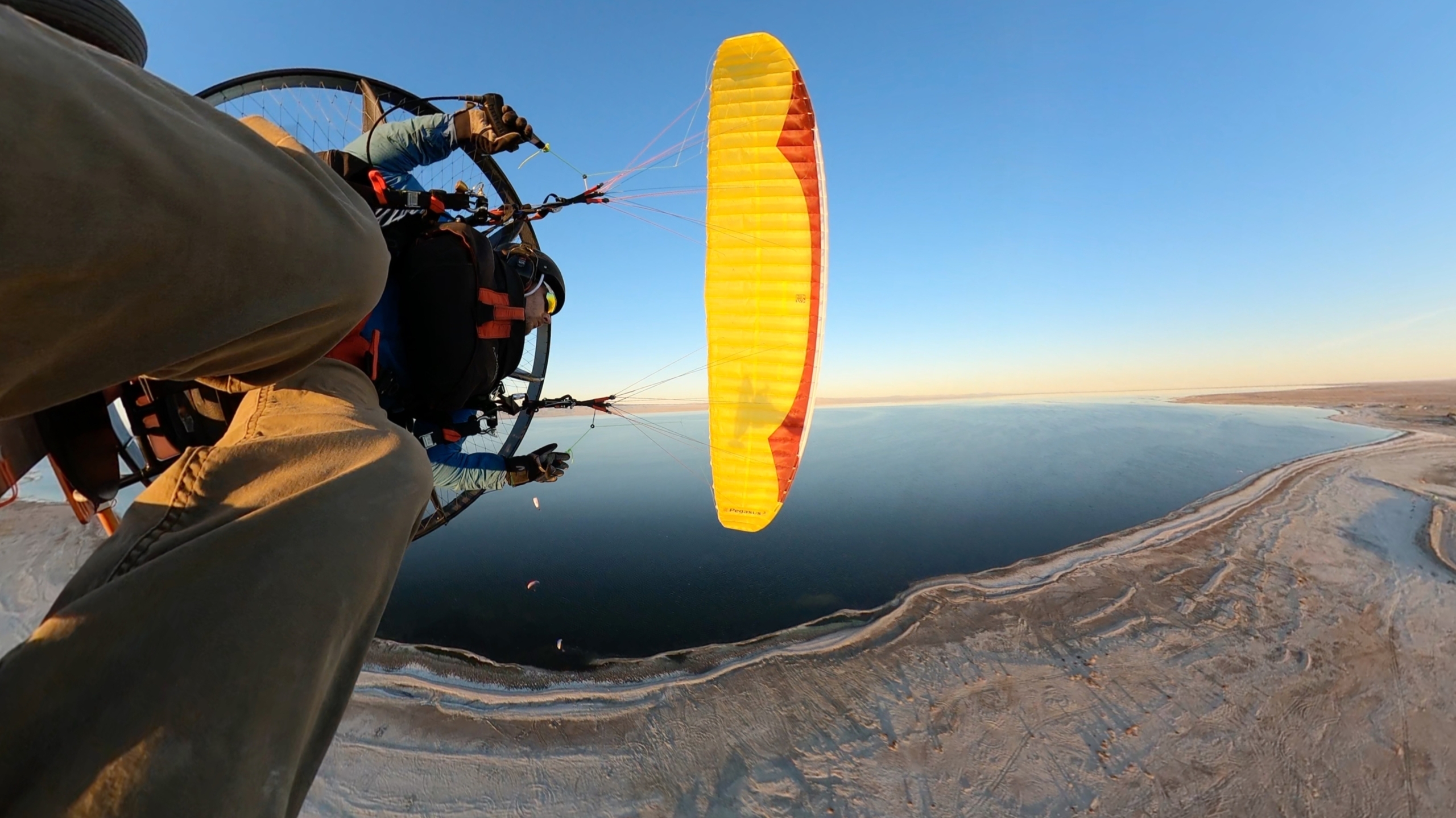
On August 10th, 2010 twenty-five-year-old Joe Stone went out to take a few laps on his speed wing, something he did nearly every day. But that day didn’t go as planned. Joe woke up over a month later and nothing was, or would ever be- the same. This is Joe’s incredible story of resilience, hope, inspiration and ultimately- gratitude. When your life goes upside down the little things become everything. This one isn’t easy, but it will leave you with a profound awareness of what’s possible, what’s important, and what we all miss in the hidden joys of just being alive.
2021-02-06T01:57:26
Key Topics
Joe Stone’s speed flying accident and recovery Lessons learned from trauma and resilience The role of community and mentorship in recovery Adaptive sports and overcoming physical limitations Mental health and gratitude in adversity Goals and progress in rehabilitation The importance of mental mindset and self-advocacy The evolution of Joe Stone’s passion for flying and service
Sound Bites
“I was paralyzed from the chest down, but I still had full function in my arms.” “Rollerblading saved my life in more ways than one.” “Gratitude is the biggest lesson I want to share.”
Chapters
00:00 Introduction and Guest Background 02:05 Joe’s Speed Flying Accident in 2010 05:09 Early Life and Passion for Flying 09:57 The Road to Recovery and Challenges 19:52 Mental and Emotional Journey Post-Injury 29:57 Finding Purpose and Community Support 40:01 Rekindling the Love for Flying 50:05 Current Life, Goals, and Giving Back 01:00:06 Lessons Learned and Advice for Others 01:10:10 Future Aspirations and Closing Remarks
More about Joe: Joe Stone is an adventurer, paraglider pilot, adaptive athlete, and advocate for making the outdoors more accessible to people with disabilities.
In 2010, Joe was speed flying off Mount Jumbo in Missoula, Montana, when an accident changed his life forever. The crash left him with a C7 spinal cord injury and paralyzed from the chest down, with limited use of his hands. Now diagnosed as an incomplete C7 quadriplegic. But while the accident changed how Joe moves through the world, it didn’t change his love for adventure or his desire to keep pushing what’s possible.
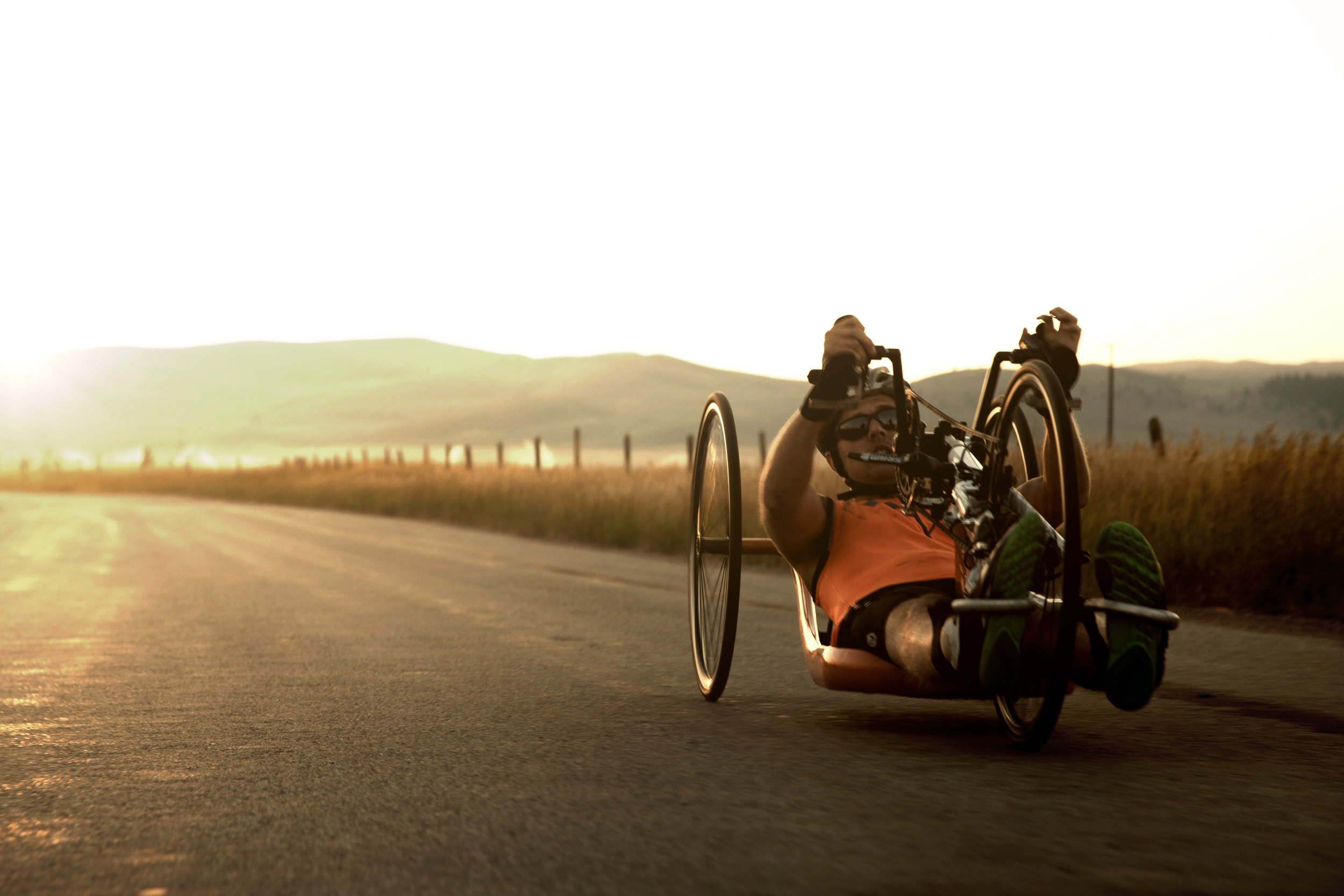
Since his injury, Joe has continued to find ways to explore the mountains and the air through paragliding, adaptive mountain biking, handcycling, and other outdoor adventures. Along the way, he’s taken on everything from attempting an Ironman triathlon to working with land managers and organizations across the country to create better opportunities for people with disabilities to experience the outdoors.
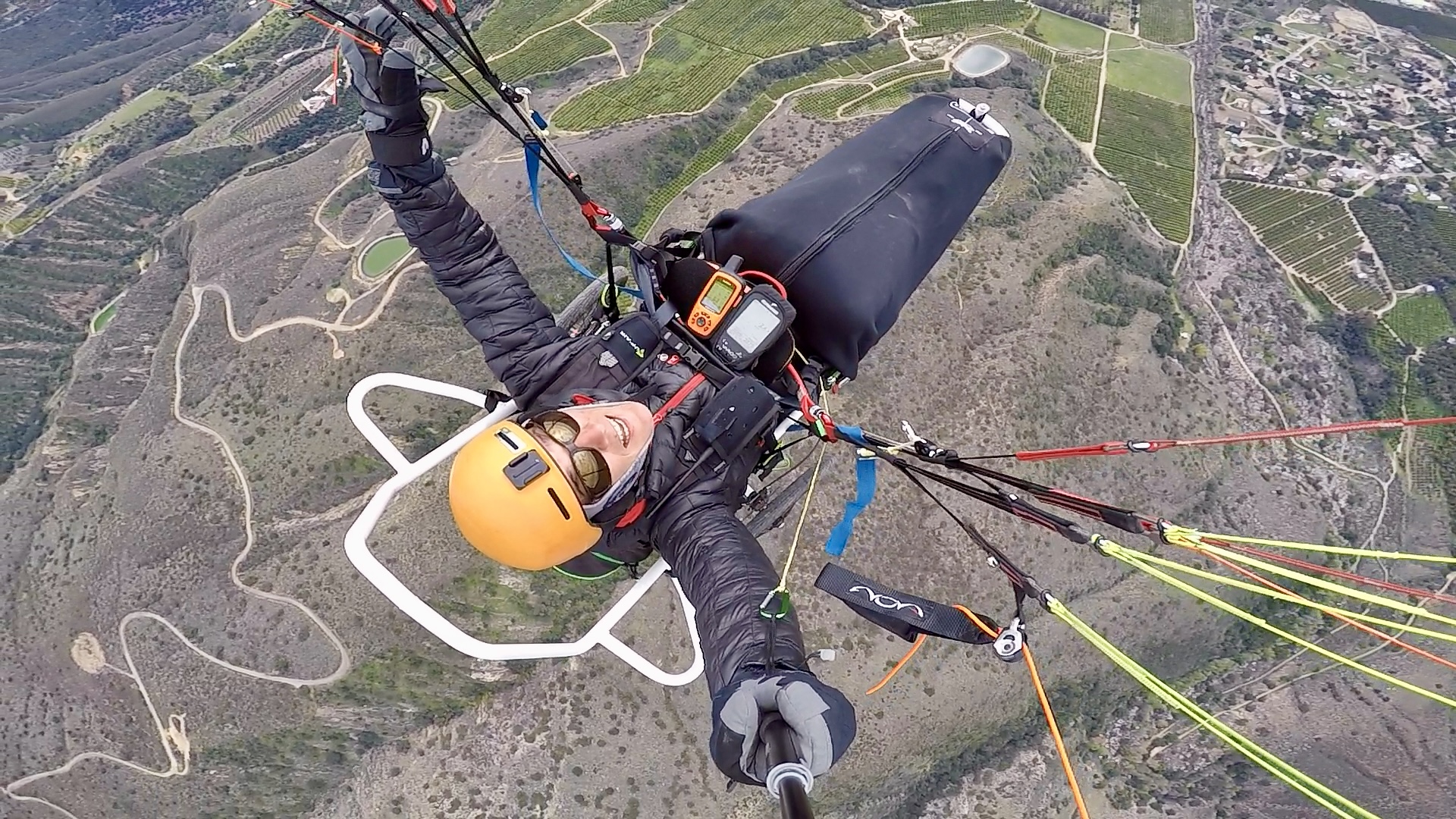
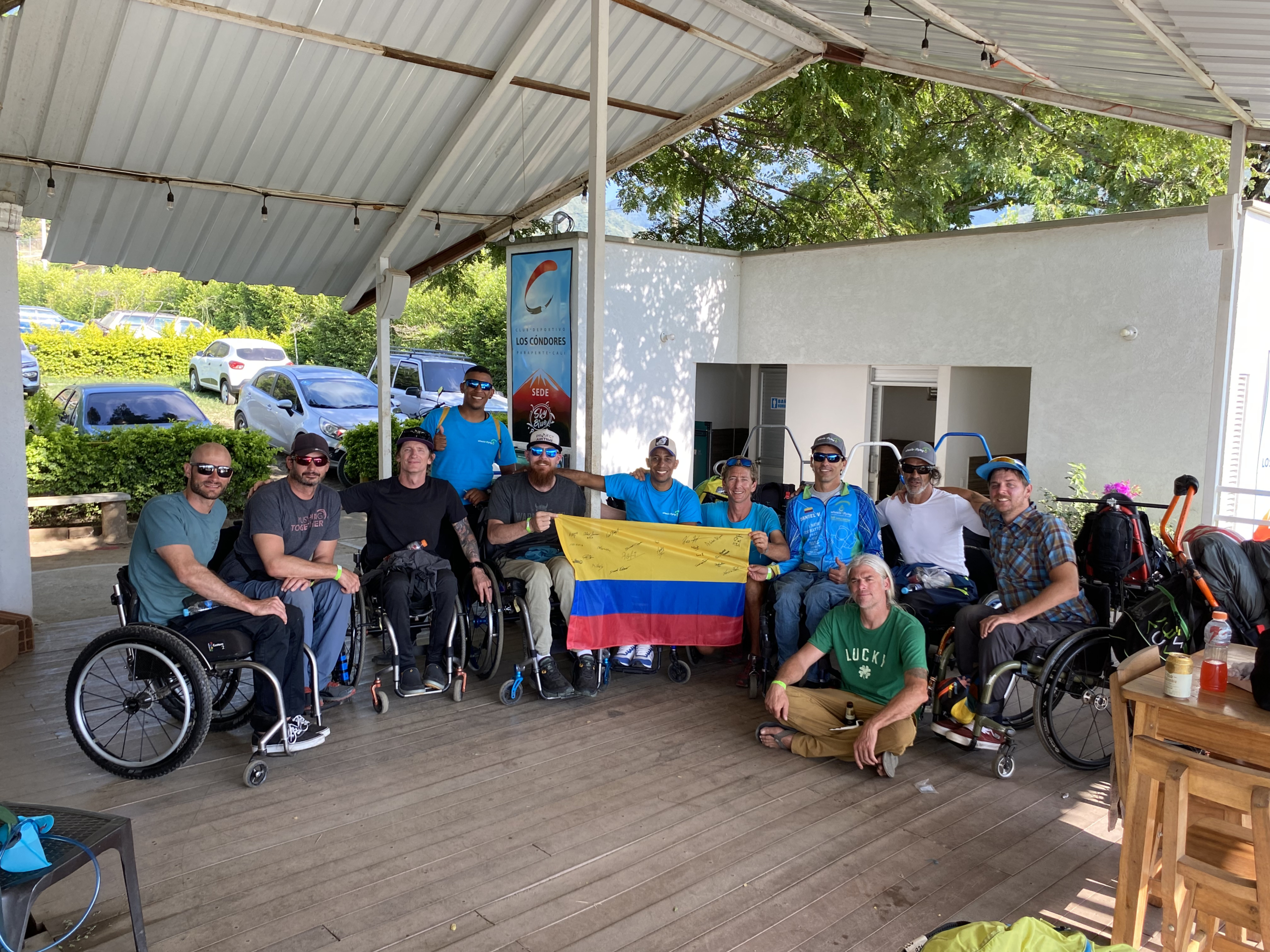
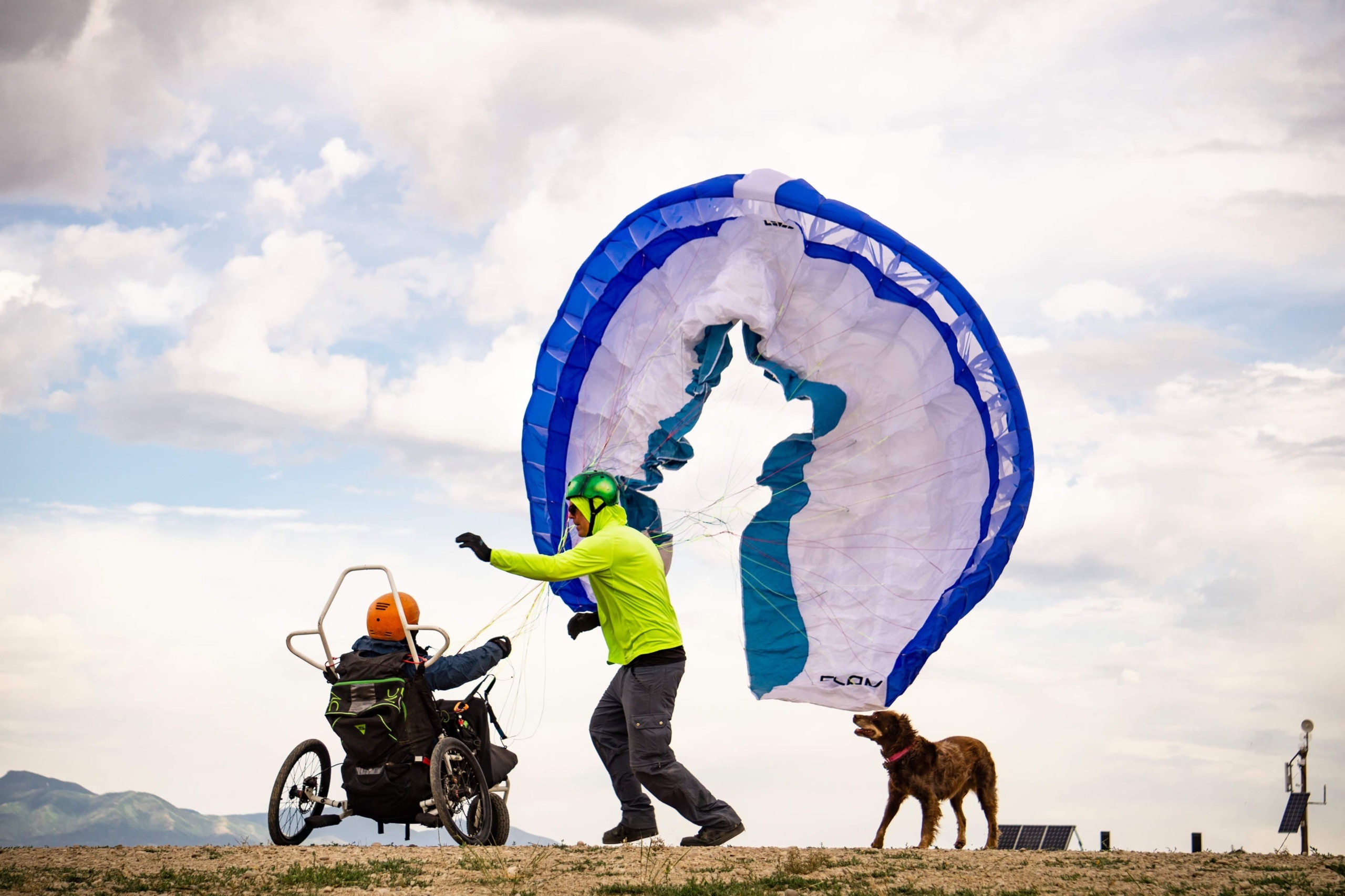
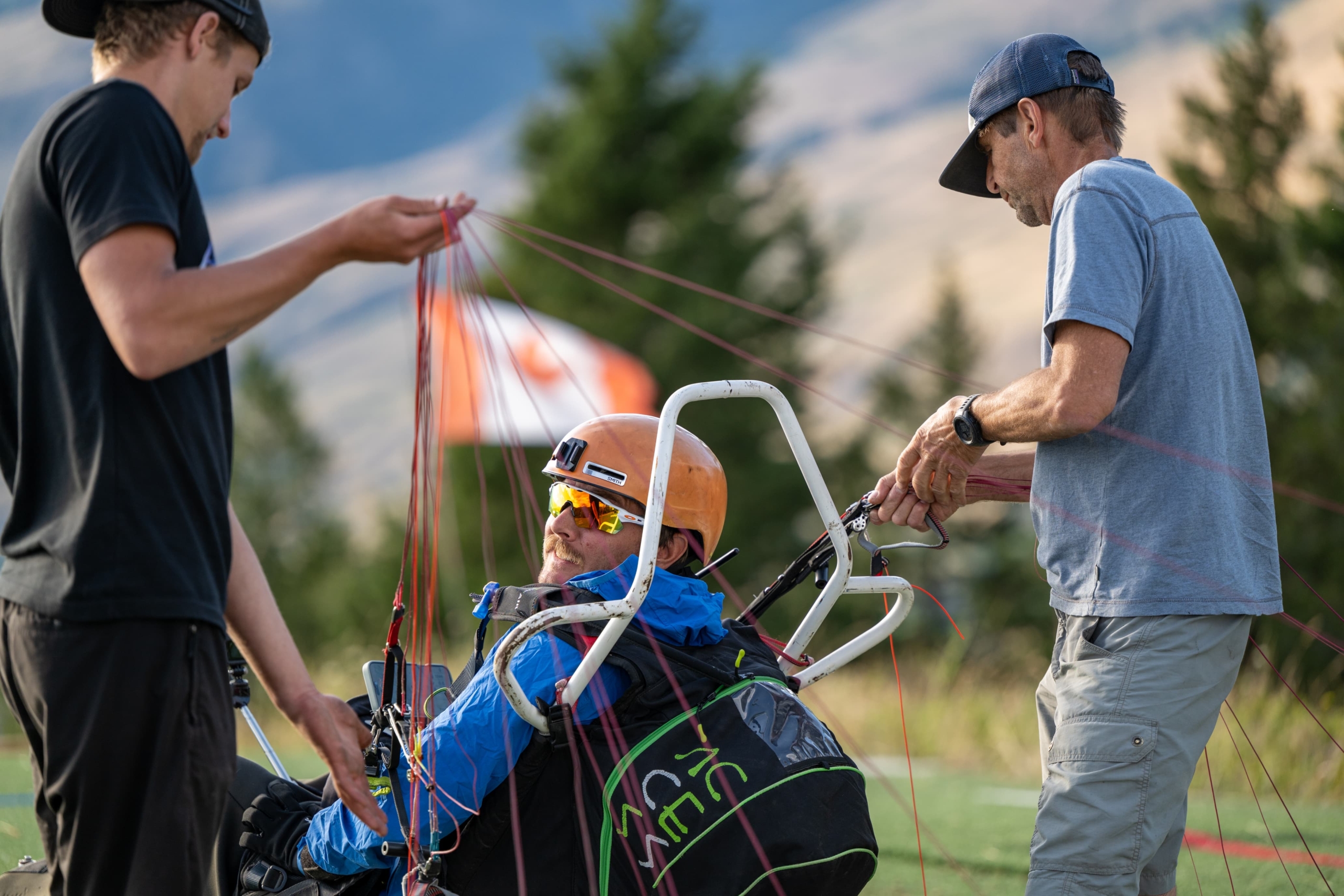
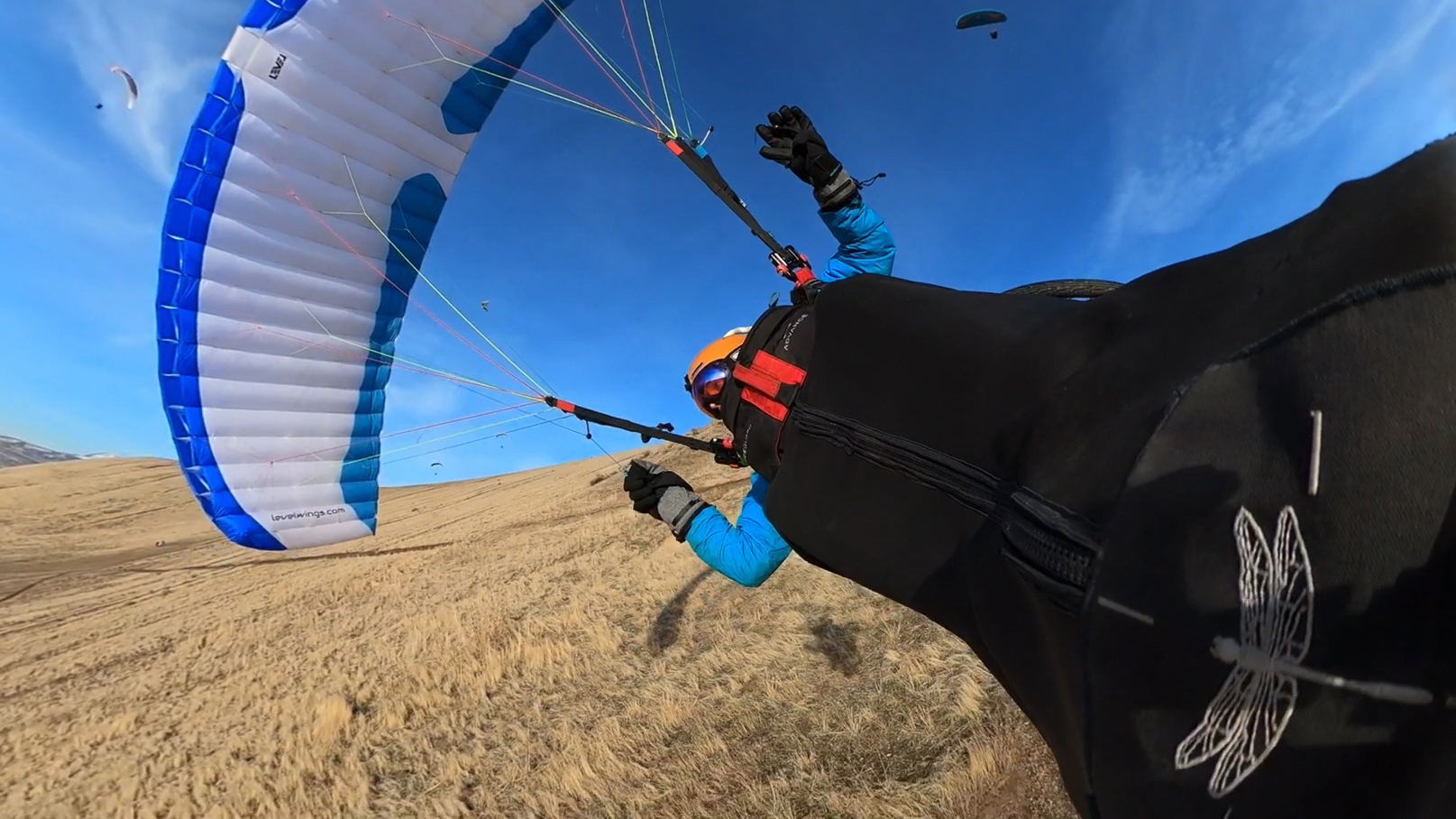
A huge part of Joe’s return to the sky came through Project Airtime, a nonprofit based in Draper, Utah. Through equipment, mentorship, and the knowledge needed to safely return to flying, Project Airtime helped Joe find a path to making paragliding a lifelong pursuit. That experience has come full circle, as Joe has since worked alongside Project Airtime to help support other pilots and organizations looking to create opportunities for people with disabilities to experience paragliding, whether through tandem flights, lessons, or developing their own adaptive flying programs.
Today, Joe lives in Jackson, Wyoming, with his wife, Caitlin, and their dog, George. Through his companies Unified Dirt and Unified Dirt Foundation, he works to bridge the gap between people with disabilities and the outdoor spaces we all love.
gavin (00:12.934)
Joe, awesome to have you on the show. you know, typically we chat a little bit more before we get going on these things, but after talking to Thad Spencer, who's been on the show a couple times yesterday, he called me just out of the blue. I haven't talked to him in a man, a long time. And he said, Hey man, I gotta I got somebody who got to get on the show. And he gave me a little bit of the story and I just said, Stop, stop, stop, stop, stop. I just want this to be spontaneous. This is a great story. And so here we are making it happen. But
Thanks for coming on the mayhem and why don't you tell us your story? And you know, this is long format, so you don't have to cut it down, but w what happened and where you at?
Joe (00:54.499)
Yeah, well, first off, thanks for having me. It's great to be on here. I've been listening to your podcast for a long time, especially when I was living on the road full time for a couple of years. I mean, this was like the the perfect podcast to listen in between flying sites and weather and all that. So this is great to be on here to share my journey and chat with you about it. But my journey, yeah, I mean, the the bigger part of it, the part people really like to hear about is started in two thousand ten when I crashed speed flying.
on Mount Jumbo in Missoula, Montana. And so speed flying was pretty new then, 2010. We didn't have really, you know, speed flying ratings or anything like that. So it was going you go and learn from a paraglider, you get your P2 to to speed fly. It's essentially what it was. The equipment was quite a bit different. You know, technology and everything's just come a long way in 16 years. So but when we go back to 2010
I was twenty-five years old, which is a rough age to be starting something like this. You know, it's our brains are n
gavin (01:54.78)
I don't think I would have survived if I would have learned that young. I'm I'm always thankful that I didn't learn 'til I was thirty six and in some ways I'm pretty I think that was a good thing.
Joe (02:05.632)
Yeah, there should almost be like a different level of instruction that goes on for young guys. You know, there's just a little too gung ho, a little too fearless. not enough knowledge on life in general. At least that was my situation. So yeah.
gavin (02:17.851)
Hmm. Were you living in Missoula at the time or were you s were you van lifing back then too?
Joe (02:24.795)
living in Missoula. Yep. Yep. Van life for me full time was only about two years of my life. I spend quite a bit of time in the van traveling, but I got a home now. So I got a home base and all that. But I'm I am in the van at the moment. But
gavin (02:33.283)
Yeah. Okay.
And your your home base is Jackson? Sweet.
Joe (02:40.255)
Jackson, Wyoming. Yep. Moved here in twenty twenty. So been coming out to this area for a long time, but moved here officially in twenty twenty. Yeah.
gavin (02:44.398)
Okay, cool.
gavin (02:49.339)
Okay. I'll come back to it here, but when did you learn to fly?
Joe (02:57.428)
So I started skydiving in 07. And that was in the Twin Cities in Minneapolis, just outside of there. And my goal was base jumping. So I never really felt like a skydiver. it was more working through what I needed to work through in order to learn how to base jump. That was my goal. I grew up skating. I was a rollerblader. I was one of the weirdos. Feel free to make fun of me. And
gavin (03:00.43)
Okay.
Joe (03:25.938)
I grew up skating and going down handrails and doing tricks and that was that was my whole life. And when I hit my early twenties, probably twenty-one, something like that, that's when I that's when I decided, you know, I need to kinda hold back a little bit on this game of trying to be a pro role later. I was just beating myself up like crazy. And it's not really a sport that you could do forever. So I went into this transition of like, what is it that I want to do? And and
Part of that was I found base jumping. I'd been following it since I was a kid. I saw it on National Geographics and you know, when I was little tiny kid. And I was like, That's it. And in those days it was I want to jump off of buildings because I was a skater. So the urban environment just kind of made sense. And the more research I Yeah, totally. Like sneak into a building, let nobody know you're there. Don't break anything. You can't break locks, you know, or anything like that. And
gavin (04:09.372)
Like rad parkour.
gavin (04:23.184)
Yeah.
Joe (04:23.505)
you do your thing and nobody knows it happened. There was just something really intriguing about that. And I I, you know, through just watching everything, learned, okay, skydiving's the way to go about it. That's how you start. And once they started skydiving, you know, you start tapping into more people and you start learning more, you just find more outlets online. And then that's when I really started seeing a lot more of like wingsuit flying in the mountains. And at that same time I was getting more into
gavin (04:25.55)
Yeah. Totally.
Joe (04:51.654)
backcountry camping and just spending more time in the outdoors, getting away from the pavement. So things started to really line up and it was like, well that's actually what I wanna do. So in nine I moved out to Missoula, Montana, so that I could surround myself by the mountains and the outdoors and keep pursuing this dream of base jumping.
gavin (05:10.692)
And school, were you going to Montana State? Were or you was that or okay? Okay. Just chasing the dream.
Joe (05:13.955)
No, I was just chasing the dream. I was trying yeah, just trying to work as little as possible and and play as much as I could. So I had a pretty flexible job at working for a property management company. You know, so I was doing maintenance on apartments and houses and that sort of thing. My boss was like, You can do you can work at two in the afternoon or two in the morning. I don't care. Just as long as you show up for the morning meeting and you have the work done. And I was like, That's the best schedule I could possibly have. So there was a lot of that. There was a lot of
gavin (05:21.862)
Sweet.
gavin (05:34.672)
Get it done.
Joe (05:43.473)
Bringing a stereo into a house at two in the morning and painting walls so I could show up so it was done because the day was so nice that I had to take advantage of the daylight to be outside, to be flying, or whatever it was I was doing. So it was a r I mean it was a very cool time in my life, for sure. But when I moved to Montana, there wasn't as much skydiving going on as what the internet made it look like before I moved out there. And so there was a club there. They were jumping a couple times a month. I could drive to northern Montana.
And get a couple skydives in here or there, but that was a bit of a haul. And so I started doing a lot of research and started seeing people paragliding in Missoula and was like, okay, well, maybe there's something else out there that I can do totally. Yeah, yeah. I mean, the history's pretty rich. It's got a it's got a pretty rich hand gliding history and then paragliding stepped into the play there. some really good pilots, great weather for it, you know, great potential for XC flying. So it's a good spot.
gavin (06:23.724)
There's a pretty good scene in Missoula, right? For for paralleling? Yeah.
Joe (06:42.649)
For sure. Yeah. And I was hiking up Mount Sentinel one day, and that's when I first saw it. I just saw some other I got to the top and people were paraving off. Paradiding. Nobody was speed flying in those days around there. But it just opened my eyes. wait, there's this whole world of free flight that I didn't really know anything. Coming from Minnesota, like I didn't know anything about it. So I did more research and stumbled upon speed flying and was like, that's it. It's fast paced. It
gavin (06:51.74)
Paragliding or speed flying? Okay. Okay.
Joe (07:11.99)
starts starts checking off some boxes of things I can do that could like it totally. Yeah. And and and also like in terms of learning things for base jumping, it was like, okay, I'm not there's no free fall, you know, or any of that, but I'm learning weather and I'm learning how to like land where I want to land and and learn there's a lot you can take from it. It's a totally different sport, but it's it's there's lessons to be learned. And so I just used it to kind of supplement. Not then, I know now
gavin (07:14.69)
It's skateboarding with a wing.
gavin (07:35.76)
Did you know did you know Jeff Shapiro back then? He was living in Missoula then. Okay.
Joe (07:40.93)
He he became a bit of a driver in my life after my accident. but yeah, not then. I heard of him. 'Cause when I started speed flying and I started meeting the community and started talking about, you know, what my bigger dreams were. they were like, you gotta meet Jeff. Like, he's the guy around here doing all that stuff. Like he's wingsuit flying, he's doing all the things. And but I'd never met him, not before my injury. Yeah. So the it
gavin (07:43.931)
Okay.
gavin (07:47.898)
Okay. Yeah.
gavin (07:59.569)
Right. Yeah. Okay.
Sorry, carry on.
Joe (08:08.737)
Well, the interesting part of it is, you know, there was only one other guy speed flying. And I was twenty five years old and will fully admit that the ego was strong back then. And all these other guys were paragliding and I looked at it like I didn't know anything about it. But I was like, Well, that's like what I'll do when I'm older. That's like slow pace and I just didn't know. You know, I didn't know really what the sport was all about. And I felt like I was doing something totally different.
gavin (08:27.932)
Hm. Yep.
Joe (08:34.667)
These were mistakes I was making along the way without knowing it, but I was like, I'm doing something totally different. Like I'm I'm not gonna learn anything from these guys. So unless the one other guy that speed flies in town has availability, I'm flying on my own. Like that's what I'm doing every day. And and I got obsessed with it real fast. So I was out there five, six days a week flying, hiking Mount Jumbo three, four, five, six times a day. Kind of brought in some of my endurance sports.
lifestyle into that where it was like how many laps can I do, you know, and how many vertical feet can I climb in the day? And within that getting a bunch of flights in. And most of that was solo. And most of that was without no instruction, no mentorship. You know, I went and got some lessons. I got about 15 flights was signed off. Get them thumbs up, go have a ball. And that's it was they weren't the best lessons. And so I yeah
gavin (09:15.612)
Instruction or yeah.
gavin (09:28.196)
Yeah. Here you go, you're out of the nest. Go for it.
Joe (09:32.715)
Totally. And you know, and when someone does that, especially when you're younger, you're like, cool, that must mean I'm good to go. You know, I wasn't thinking beyond it. I was like, cool, I checked all the boxes, I did the things, paid for the lessons, it's time to play. And and then it turned into, you know, well, how my skating mindset got the best of me because the it that's not a good mindset for flying. And so
gavin (09:42.608)
Yep. Did the things, yeah.
gavin (09:54.651)
Yeah, 'cause skating like send it. Crash. Get hurt.
Joe (09:57.601)
Send it and get it's all part of it, right? And get go a little harder and do a harder trick and sample things, try things. Like it's it's not so much I mean, the training is there, it's just a different way. And that mindset for me was like, cool, I've flown that line, I've flown this line, how can I fly it closer? How can I do so every flight had to be more intense. I didn't understand to like slow down, progress slow and absorb it.
gavin (10:01.052)
It's all part of it. Yeah, totally.
gavin (10:23.308)
This is the whole wing suit dilemma, right? I mean it's just it it you can't you can't match that initial jump unless you're a little bit tighter and a little bit closer to the terrain and a little bit you know, otherwise that buzz fades, right? Yeah.
Joe (10:26.239)
Yeah.
Joe (10:37.853)
Yeah. Yeah. Yeah. And then then of course it got to the point of well, I've kind of flown everything on this mountain. It's taught me a lot. Flown all the lines, flown pretty close, kicked some rocks, did all that kind of stuff. What about barrel rolls? You know, what about that kind of stuff? And so I watched some YouTube channel stuff, you know, and I was like, cool, they're just pulling on strings. That's all it looks pretty simple, right? And and so started doing that.
Right. And for a week or two that was going really well. not even realizing the mistakes I was making in all of that. And on August thirteenth of twenty ten, I was out there flying. I was I don't remember any of this, but I from what the witnesses said, I was on my fourth flight of the day and went out through a barrel roll and collapsed part of the wing in the process, created some line twists and down I went. So
I spiraled down from a couple hundred feet, landed into the uphill of the mountain instead of the downhill. So like the impact was pretty heavy. And I don't have a number of like how fast I was going, but probably you know, realistically, probably going like forty miles an hour or something like that as you're spiraling down and and dead stop. Like I didn't they were like, you didn't move, you hit the mountain and it was a dead stop.
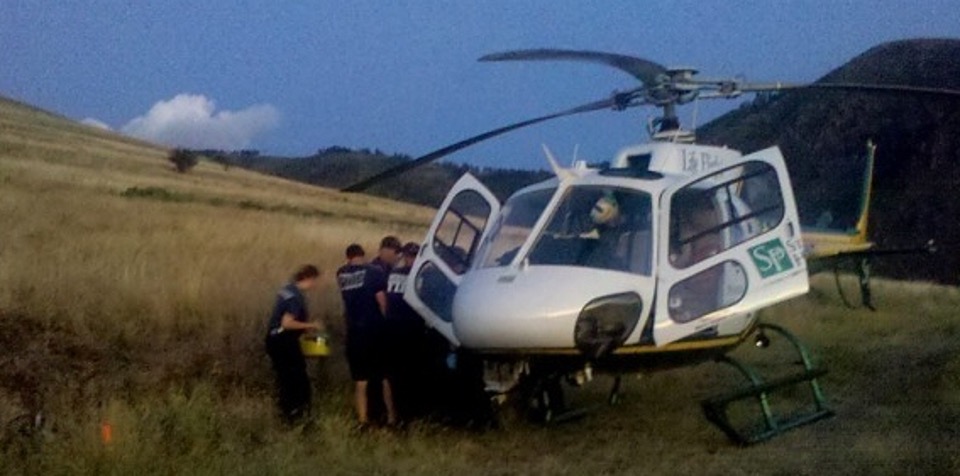
So that was I mean, to be flying alone, I got very lucky. There was two people on the mountain that were hiking. Some people down in the valley that saw it, but two people that were about a hundred yards away. And they ran my direction, called for emergency services, got the life flight helicopters and everything activated, and then the one guy there, William, he was a trained DMT. So he knew exactly what to what to do and what not to do in that situation. No.
gavin (12:27.965)
Were you conscious? No.
Joe (12:30.918)
No. I've listened to the I've got the recording of the nine one one call and you can just hear me moaning and groaning in the background, but it is not like it's not me. You know, I'm not aware of what's going on.
So he got to me and assessed got the lifelite activated, like I said, and then started assessing my situation. And I didn't have any broken bones sticking out of my skin. I wasn't bleeding anywhere, but he heard gurgling through my airway. So he my full face helmet was on. So as he held my head and my neck really stable, he had his friend slowly remove my helmet. From there, he was able to clear out some.
blood and some teeth that had broken in my mouth and got the gurgling to stop and then it was just a waiting game. Helicopter landed. They hiked up on the mountain and you know, they worked as efficiently as they possibly could. They had me in the ER in less than an hour. So I got very, very lucky.
gavin (13:35.461)
And this whole time are you unc unconscious? When did you regain consciousness?
Joe (13:35.612)
So that's the start of the new journey.
Yeah, so month later. Yeah, so I arrived to the hospital. Yeah, induced. But yeah. For a month. Yep. So I don't remember any of it. I I I got to the hospital. It's documented. I I arrived in grave condition. I so to give you an idea of just some of the injuries that they've once they assessed me, I had four broken ribs, I had a laceration in my liver.
gavin (13:43.046)
What?
You were in a coma?
Joe (14:09.153)
Really messed up my lungs, really pounded on my heart from the impact. So my heart was going up and down and didn't know what to do. I had eight broken vertebrae throughout my neck and back. So C four, five, sorry, C five, six and seven, T3, four, and seven, L one, L two. I had a burst fracture at C seven. So now I'm diagnosed as a C seven quadriplegic and incomplete.
gavin (14:27.751)
Jesus.
Joe (14:39.052)
So what that means for me is I'm paralyzed from the chest down. I do have full function in my arms. I've got good function in my right hand that I recovered quite a bit. I don't have any grip in my left hand. I can open it a little bit, but I have no grip. And
I mean, that's all like we learned that function a month later because for that first month they so they put me into an induced coma because every time they touched me, my heart rate went either really low or really high. And they were like, We gotta we gotta do something to calm this guy down. His body needs to calm down. We can't do surgeries, we can't do anything right now. So they put me into the induced coma and they were like this told my parents this'll be a couple days. Couple days, turned into a week to two weeks to almost a full month.
During that month, my heart completely stopped twice. Full on code blue, you know, everybody running in. My mom was in the room one of the times that happened. So, I mean, you know, you want to talk about trauma, like trauma, yeah, it affects the individual that like it happened to, but it it it has a ripple effect of the ones closest around you, without a doubt. So everyone was a little scarred from that. And that month it wasn't about what's life gonna be like for Joe as a wheelchair user. It was it was is is Joe gonna live?
gavin (15:30.013)
Jesus.
gavin (15:54.043)
Is he gonna live?
Joe (15:56.673)
Yeah. So in my family, when they got the call, they were in Minnesota. And so they get the call. My whole family's in northern Minnesota camping, nowhere near cell service or anything. My dad happened to check his phone, like he went to the one spot he knew he could get some phone service. And all of a sudden there was like 20 missed calls from a Missoula number and got a hold of him and they told him what had happened. And his question then was, Well, is he gonna live? And they just said
I think you need to just do everything you can to get here as fast as possible. Which I can't as a parent I can't even imagine.
gavin (16:35.741)
You got brothers and sisters?
Joe (16:36.236)
So that's like, you know, I got two older sisters. Yep. So that was for all of them. That was you know, I can't imagine like what that's like. You gotta get on a plane, you gotta travel, you gotta have all this time, you're waiting in airports. It's not like you can't make that happen fast. So that was you know, that's their story. Yeah, I had the easy part. I was out, so I didn't I didn't know what was going on.
gavin (17:08.717)
just the worst nightmare, right? So when you I mean like you said, I can't imagine you know, th they don't get there and get any clarity either. They get there and they gotta sit there and just watch their sun for a month. Jesus, that's brutal. w when when you come to what's your reality?
Joe (17:33.742)
man, succumbing to is a whole game in itself. So because of all the drugs I was on, and as they were weaning them off of me, I was hallucinating like crazy. So I d you know, I had no idea what was real and what was fake. And the and the the way I found this out is one of my earliest memories was nighttime in the hospital room.
And I'm laying in my bed, and I'm on this bed that has air left to right that it shifts so that I don't develop pressure sores because I'm just laying down, you know, for so long. And I've got all these lights. It's dark in my room, all these lights all around me, all these noises from the machines. I'm on a ventilator, not breathing on my own. So you get the ventilator machine making noise and things beeping and whatnot. And every now and again, the bed would shift from left to right.
To shift my body weight. And I thought I was on an airplane. And I was like, man, Missoula is such a cool town. They treat their athletes so well. I'm on this plane that they have that takes us up for somehow in my head. I'm like, we're 4,000 feet above the ground and it's the perfect altitude for healing. And they've pit, they take athletes up there and they circle them around the city and keep them at 4,000 feet for for healing, right?
So every time the bed shifted, I thought the plane was turning. And so all night. I'm awake all night.
gavin (19:01.917)
Whoa. So you're so you're you but you are conscious that you're hurt. Something isn't right. Okay.
Joe (19:08.988)
Yeah. Yeah. So I did have one memory before this, and that was the other speed flyer in town. He was also an ER nurse and he came into my room af as after I woke up. And he was he's kind of my first memory. And he came in and was chatting with me and I couldn't talk. So everything was just through like what my eyes were telling him. And I could barely move my arms at the time. And so he a he asked me, like, Do you want to know what happened? And I was like, Yeah.
And he's like, You crashed speed flying. And dude, the level of guilt, because I kind of knew I was pushing it. It wasn't I wasn't like blind to what I was doing. And I, you know, you hear you watch, we've all seen those videos where it's like the base jumpers that you know, they end up being old base jumpers, and they're like, I can't even believe I survived the early days. I was so reckless and this and that, and now here I am, and it sounds cool and all of that. And I was like, That's gonna be my story.
You know, I'm gonna be that's what I thought before. I like, I'm just gonna have this reckless time and I'm gonna learn this sport and then you know, I get to tell the story about how I somehow survived it later on, which is such a silly way to approach things. But that's where my mind was at.
gavin (20:22.95)
twenty twenty, right? Looking back, was there was there I I understand when you have a major traumatic event like this, it's it it's it's like losing a loved one. You you go through the stages, right? Was was do you d do you have a clear memory of that? Was there the whole no, this didn't happen? Yeah, no that we the no this can change. No my back will be fine, no, you know, is there is there all that happening?
Joe (20:43.675)
No e
Joe (20:50.46)
So when when I was first told I crashed speed flying, it was a heavy level of guilt because I knew I was being reckless. And I was like so f so I went from a hundred percent passionate about rollerblading to having this gap in my life of like I don't have passion for anything. But once you have passion for something and you and you lose it, there's like an identity crisis there in itself. And so I spent years trying to find
Just trying different things. What can what will grab me? And speed flying grabbed me. Like, I mean, I thought it was going to be a tool for base jumping. And I was like, I'm a speed flyer. This is amazing. And so I I couldn't believe it. Like I remember hiking the mountains, be like, I can't believe I found the passion again. I can't believe I have I got a second chance at a life filled with this. So, you know, I wasn't speed flying for very long. It was one summer. And and I that was what I felt so guilt. I was like, I threw it all away.
gavin (21:30.172)
Yeah.
Joe (21:49.972)
And it was all because I wanted to progress too fast. I wanted to be a hero tomorrow. And I knew it. That was a level of guilt that I've never experienced. And yeah, and then you know, then I had all some fun and some extremely scary hallucinations over the next few days. Like it was just trying to gr get a grasp on reality.
was loaded onto a life flight jet and was sent back to Minnesota three days after I woke up. So that was already planned. I didn't really have any say in that decision, but it made sense to go to a better hospital, bigger bigger city, bigger, bigger and better resources. And you know, in that the first maybe week total, they kind of didn't know if I'd ever get off a ventilator. So they were like, you may be on a ventilator the rest of your life. Your lungs are pretty bad.
And we didn't know what my level of function was gonna be. And I couldn't feed myself, I couldn't swallow, I couldn't do anything. Literally could not do anything. I had to relearn how to breathe, relearn how to swallow before I could even think about how do I get dressed, how do I push a wheelchair, how do I steer a power wheelchair, any of those kinds of things. Couldn't even sit up because I was laying down for so long that if I sat up, I passed out. So like that was totally.
gavin (23:10.76)
Joe, can I ask you a hard question? I I was thinking about this before we even started talking. just a ma I I had no idea that death man. but in this in this period, or maybe even after this period, was there ever a time when you thought, why couldn't I have just died?
Joe (23:34.785)
Man, 100% the thought of what why my life. Cause in those, in that moment of what I'm talking about, of like not being able to do anything for myself, I kind of thought that was going to be the rest of my life. I mean, it's really hard to see the future at that point. And I so I 100% thought I was going to spend the rest of my life in a nursing home. Which I was like, I mean, for any age, that's horrible. But at 25.
gavin (23:51.272)
Sure.
Joe (24:04.159)
And so yeah, it wasn't it wasn't so much why couldn't I have died? It was just like, why am I alive? You know, what what like what good is this? Like if this is the rest of my life, like I didn't really ever have any suicidal thoughts. It wasn't anything like that. But it was just like, well, if this is the rest of my life, like what kind of nightmare am I living now? So it was hard to say the least.
gavin (24:15.154)
Mm.
gavin (24:31.71)
Man, God. Jeez, dude. And is there is there w in the healing of this or in the I mean, you're not even in the healing process yet, I understand there's the surgeries and everything to come, but is there w what do you get from the outside world for the mental side of this? I mean, is is there a whole
Joe (24:35.915)
Yeah.
gavin (24:54.642)
program that they start on right away because they must know these are the things that this person is dealing with. Is it your parents, is it your sisters, is it the doctors? How do you how do you deal with something that's so this ain't a broken wrist, man. You you're on a ventilator.
Joe (25:13.908)
Yeah, so unfortunately the hospitals are like, You're depressed. Let's give you antidepressants. You know, and it's it it it was that. And I was kinda frustrated. I wasn't really a medication guy before. I partied pretty hard before I moved out to Montana and and and I had like kicked that before I got out to Montana and was like, I'm gonna focus on being an athlete and being in the mountains and
And so enough of that game. And so by the time it got to the point of all of this, it was like, No, no, no. My lifestyle's no medications. It's not, you know, I don't I don't want anything. And I was on some pain pills and y you know, there's certain things you had to I mean, it was just like you had to be on for a little while. But I had to argue with them over the fact that I didn't want to be on antidepressants. Like it was like they're like, You're depressed. And I'm No, I'm not. I'm going through a lot, but I'm not depressed. And I'm saying
I'm explaining all this like without being able to talk. Like they're having to read my lips, you know, and and eventually I got to the point where I was starting to breathe a little bit on my own and got to the point where the trach, you know, the ventilator was off the trach and I could plug the hole in my neck and I could I could barely squeak out some words. So then I could actually like I could advocate for myself a little bit better. But yeah, it was just constantly arguing.
With them about how I'm I need to feel everything I'm going through right now if I'm ever gonna recover. And if I need antidepressants, and I'm not like against them, if people need them, like they're there for a reason. But I just didn't feel like I was gonna truly understand my situation if I started clouding it with anything else. So I wanted to feel everything. And I was like, if I get to a point where this seems unbearable, I'll let you know. But right now I gotta understand this. And so that was very important to me in the beginning, as I was like.
Learning to breathe again and then learning that I could swallow again, which was a whole process. It took about it took about a full month to learn how to swallow and to learn how to breathe. So now we're like two months into this, right? And that's about all I can do is I can swallow and I can breathe. And that's when I went to Courage Kenny and did my actual inpatient rehab, like PT O T rec therapy, living in the hospital, did nine weeks there.
Joe (27:34.182)
And so it was a little over four months total that I was in in the hospital. I mean, it felt like a home, you know, it wasn't
gavin (27:39.472)
And at at this stage is it okay, I'm definitely gonna be paralyzed the rest of my life. Is there hope? Is there well you know, what's what's your future reality look like at this stage?
Joe (27:55.815)
So I think it's fairly common for just about everybody that sustains a spinal cord injury to be like, I'm gonna walk again. I'll I'll be that one person that gets lucky and walks again. And so I was kind of, you know, trying to visualize, trying to make some movements happen. I have I do have sensation everywhere in my body. I never went completely numb. So all I had was a piece of bone pressing on my spinal cord. That's it. It didn't sever my spinal cord, didn't cut it, nothing. Just a bruise that ended up happening.
gavin (28:01.524)
Yeah.
Joe (28:23.97)
And that created enough for spinal cord damage. And so given that I could like feel my feet and feel my legs, I was like focusing real I would lay in bed all night just focusing on like trying to move my leg, wiggle my toes, you know, flex my abs, do something, something where things aren't working. Like how can I try to get a signal going somewhere? and that's common for a lot of people. It's a really hard spot to be in though, because
A lot of people get stuck there for a very long time. And I'm really lucky that that wasn't me. I was probably
Two weeks away from getting out of the hospital. And at that point, I'm still using a power wheelchair. I'm doing all the things they're telling me to do and all my PT sessions and working really hard. And but I'm not quite my old self in my motivation to work hard. And I watched we were in this classroom time on how what does it look like for a wheelchair user to drive? And I've watched this quadriplegic in a power wheelchair.
Go up into his van, go up the ramp, and then get into the driver's seat. And I w like my left hand is really atrophied. There's really no muscle on it and stuff. And it showed a close-up of his hand touching his hand controls, which is how he hits the brake and gas on the car. And I don't know what it was about that, but that mirrored image, I looked down at my left hand and it looked identical to his. And I was like, This is the rest of my life. And if
You ever want to feel like you got hit by a dump truck by emotions. Like that was that that was the moment. And I mean, I fought it so hard not to break down because I didn't want I wasn't ready to express that to anybody. So I sat through the rest of this class like almost like I saw a ghost, you know? Like I mean, I was just in another headspace. And I got back to my room and
Joe (30:30.486)
I I mean I broke down. Like I I've I don't know that I've ever cried so hard in my life. Like 'cause the idea of it was like it's one thing to have a little bit of hope, like things to be normal. And it's another to be like, no, no, no, no, no. 100%. This is it. And so you yeah, how do you refocus that energy, you know?
gavin (30:45.521)
This is a
This is what it's gonna be.
Joe (30:54.579)
And just timing of life is so interesting because that same around that same time, say literally the same night, a nurse brought in a documentary called Murder Ball. It's about quadriplegic rugby. And it follows the US team going to I think it was like two thousand and eight Paralympics or something like that. But the film's so much more than than that. It's about it's about their lives and how they've
started living higher quality lives and the girlfriends they've had and it shows them stuff on like how they're getting dressed, not in like a form of lessons in a true storytelling way. It just has scenes that has things like this in it.
And you know, it was really interesting because I was also really into fly fishing. And before this moment, I was endlessly every night watching the movie A River Runs Through It. It's Missoula, Montana. It's fly fishing. All I wanted was to feel the cold river water on my feet. I wanted to be standing in a river and feel that so bad. And I watched the movie over every night, over and over and over again. And then I found Murder Ball. And I
Cried through it, because it's like looking in a mirror. There also was one character in the film that was like he was in that same stage I was in, in the hospital. And they were documenting that part of his struggle, like going through it. So watched it the first night, woke up the next morning, felt like a huge weight was lifted off my chest. Okay, cool, I've accepted this. What now? Well, those guys were working pretty hard in that film. Maybe I can do the same. And so I started working harder in PT and OT.
Watch the film again that night. More tears. But also a little bit more putting a study on it. Hit the repeat button the next day. Watch the film again. Really putting a study on it. How are they pushing their wheelchairs? How are they eating? How are they getting dressed? How are they, how are they moving their bodies? Like how how are they making these things happen? And then I'd go the next day to PT and I would from visualizing what they were doing in the film, I'd visualize it all night and I'd go to PT the next day and I'd work as hard as I could on what we were working on.
Joe (33:05.226)
Based on what I learned from that film. I mean, it was the transition from watching a river runs through it of fo which is so much on focusing on the past to now obsessively watching Murder Ball was like it was a beautiful transition of finally looking forward and and finally finding motivation and finally trying. Just trying, not just going through the motions, like actually trying.
gavin (33:33.716)
How much of the weight, you know, as a as a society, I don't feel like in Western society, we're not very good at asking for help, needing help. You know, we we see our own parents. My my my parents my dad's been dead a long time, and my mom is you know, she's eighty-three now and she's she's got this whole thing where she doesn't want to be a burden on us. You know, she wants to take care of all the
potential problems that are gonna arise when she when her health starts failing and the cremation and the whole thing. And we're and my sister and I are always going, You did all this for us. Let us do this now for you. But in some cultures that's just automatic. You take care of your elders. But in our society I feel like we we really pride on independence. I I'm just wondering I'm imagining myself in your situation which is impossible. That's ridiculous. But I'm I'm wondering how much of your
Pain, guilt is at this stage is people have to take care of you. People have to help. Is that is that a big part of it or is that I don't know.
Joe (34:46.066)
It's a huge part. It's a massive part in multiple ways, right? There's guilt that you need all this help. There's also a lot of shame in it because I don't want the help. I don't want to have to ask for help. I wanna I was a very independent person, you know? Like I did everything on my own. Like I I always talked about it in the sense of when I worked for the property management company, I'd be up in an apartment, it'd be up multiple floors, no elevator, only stairs, and I was carrying couches down on my own, getting them down
'Cause people would leave stuff behind, right? And I had to clean it out for the next people. And and I I remember like like picking up couches and carrying them down flights of stairs. You know, like that's to do that, then all of a sudden be like, Can you feed me? 'Cause I can't move my arm to my face yet. You know, like that's it's a whole
It's a mix of emotions from having gratitude that I was lucky enough to have the sat the like support around me, that I had loved ones that cared about me. It was a level of guilt that I was putting my family through all of that and that they were having to stop their lives and help me out, but also the trauma I put them through, the stress. It was the frustration of having to have that help. You know, that I couldn't just do these things on my own. It was a lot. It was super heavy.
I I get the question a lot from people and they're like, What was the hardest part? I'm like, all of it, everything. There wasn't a single part of it. It was it was easy. It was there you had those kind of emotions. Then it was like every new thing I had to learn how to do was the new hardest thing. Like my body was so wrecked that everything was hard. Like learning how to sit up where my blood pressure wouldn't drop, that was hard. Learning to breathe again, insanely hard. That was a month of like putting a lot of focus on how do I breathe.
Learning how to swallow the hardest. First time I put my pants on took like an hour and twenty minutes, you know, like just to put sweatpants on, to do it on my own. And I wrestled with my body. And that moment came, that's kind of a funny story. I have now seen Murder Ball. I've now got a little motivation in me. Working harder in therapy. And I
Joe (37:02.154)
Wanted to make myself a meal. And all I mean by that is I wanted to go to the refrigerator and take out leftovers and put them in the microwave. But I wanted to make myself a meal. So these were moments of me like, how can I grab onto any bit of independence? You know, what can I do? And because of the sensation that I have, it was really foreign to me in the beginning. And so when I would get done with all my PT stuff during the day, I would get to my hospital bed and I would strip and get naked and just have nothing on my skin. Because it was the only way I could like find some peace in the sensation that I had.
And so I was like, cool, I'm gonna do that. Got into bed, got all my clothes off, and was like in about an hour or two, I'm gonna be hungry, which means I gotta get dressed. And this time I'm putting my pants on, doing it myself. And then I'm gonna go get my own food. And that was my goal. So a nurse came into the room and I I was like, Listen, I don't want your help. Like I just unless I ask for it, but like I might fall out of the bed. So if I come close to that, like, can you be there? And you can s 'cause I'm like rolling around, you know. I'm like, Can you just be in here with me?
And she sat in there with me for over an hour. And I wrestled with my body. And I finally got my pants on. And I was like, I did it. No button, no zipper, sweatpants, but I did it, you know? And because that's the thing, right? With the hand function, it was like, how am I gonna do buttons and zippers? I don't know. And then she helps me get over to my wheelchair, and I go in there, and the only thing I needed help with in the whole process was she had to slide the
Food forward in the fridge because somebody had pushed it all the way in the back and I couldn't quite reach there. But I got it out, put it all on a plate, he put it in the microwave, threw it on my lap, took it into my room, put the plate down on the table. First time ever not eating in a bed. I was eating at like a table. And got on my computer and I was just satisfied, right? I did all this. I'm feeling pretty good. And I started finding
Started searching on the internet for different opportunities. What does life look like in my situation? What kind of YouTube videos are out there? People getting after it. And I stumbled across this guy up in BC that was a wheelchair user paragliding. And I was like, What? It's a little short film. And it's like maybe five minutes long. Told his story, how he got back in or how he got into it. He wasn't a pilot before. And
gavin (39:21.005)
he didn't get hurt flying?
Joe (39:22.934)
No, got I think if I remember correctly, he got hurt some some other way. And he tried a bunch of other sports and then found a lot of independence through paragliding. If I remember correct, I might be wrong on that. I mean, this is 16 years ago, so I might, you know, I could have this wrong. but I I'm like mind blown, life's possible, stoked, right? Like I'm in a really, really, really good place. And at that same spot, my dad walks in the room, and I wasn't even thinking about.
What this would look like from his perspective. And I was like, Dad, check this out. And I turned the computer and I was like, I can still fly. And he was like, What the hell is wrong with you? Like, you're in this situation because of a sport like that, and you're already, you're still in the hospital and you're already thinking about getting back. What what is wrong with you? Like, and we got not, I wouldn't say in an argument. I mean, it was definitely an argument, but it was.
of realization for me of like pump the brakes. Pump the brakes on the stress I put on my family right now. And so if I have these kinds of thoughts, that's great. I've got some friends that I can share this kind of stuff with and they'd be psyched on looking at it. Maybe not with my dad. Maybe not with my mom. You know, they're not ready for any of that yet. And and it was like it's a heavy realization of just like what we what we do as individuals in these sports and how it how it does affect the people around us. You know, and how these mindsets that we all seem to have that are, you know, I think
gavin (40:27.658)
Yeah.
Joe (40:50.23)
Parabiding kind of chalked full of the best kind of weirdos. But that that like mindset of like wanting to get after it in that way and take the risks that we take and all that, that's like it's unsettling for some folks. And I think we do have to like recognize that, at least for the the loved ones that we have closest to us, that it is not everybody's stoked about it like we are.
gavin (41:10.976)
Yeah, and I think that reality I mean th this is not uncommon in this sport. I mean certainly yours is an extreme end, but you know, the it is insanely selfish. I mean that's the thing that I keep running up against on the wall. I mean, I've been doing this a long time. I started in two thousand four. you know, all the exaps campaigns, it's it's risky, right? And and
it'd be hard to defend if this happens to go didn't know, you know, right didn't think it was happening to me. We all think that.
But the reality the numbers don't check out, you know.
Joe (41:56.788)
I mean the number I mean, if you think about it with this sport, like we got a lot of buddies that have broken backs.
gavin (42:04.522)
Dude, it is carnage out there. One hundred percent. I I also I'm also struck by the when you were just telling that the story about your dad and like, hey man, you know, that I mean you you had to have been in a s in a headspace that we wanted to latch on to anything that was good. But at the same time y you I mean, it's f you gotta r I mean, you were twenty five. We we don't think we can get hurt when we're twenty five. Yeah, I mean I'm my my reality check was
Joe (42:06.792)
Yeah. I remember
gavin (42:33.33)
After one of my big knee explosions, I grew up ski racing. I mean, I was only seventeen. I just made the US team and my doctor said, If you keep doing this, you're not gonna walk when you're 30. And I needed to hear even then I thought 30. I'm not gonna be 30. That's a long ways away. But that was the one thing that was, whoa, I actually gotta pay attention here. but you're twenty five, you know, you're you're invincible.
Joe (43:03.668)
Yeah, and you know, I'd never had I'd I at that point I ruptured my spleen in 06 through rollerblading, fell really hard, ruptured my spleen, spent a good chunk of time in the hospital, had to have it removed. So I had that, you I and I had a lot of like broken bones and spranged ankles and messed up wrists and all of that. You know, was just constantly beat up, but no like
I wouldn't say any of that really presented me with any like real adversity yet. You know, it prepared me for being injured. It prepared me for like you know, you gotta slow down to heal, those sorts of things. But it it didn't in any way show me what adversity was really all about. And that, you know, in the face of a spinal cord injury, that's a pretty heavy level of adversity. And so that was kind of learning as I was going, you know.
gavin (43:28.884)
Yeah.
Joe (43:52.838)
And at twenty five, like, I don't think we even realize, yes, we don't think we're ever gonna get hurt. We don't think we're ever gonna, you know, we think we're a little bit invincible. And but I d but I also don't think we th recognize like the ripple effect of our actions and how they affect other people. And that to me is almost bigger. You know, when you see it like harm when you see your actions harm other people in some way, then all of a sudden you're like, wait a minute. It's not just me in this world. It's bigger. I you know.
gavin (44:09.183)
No. Yeah.
Joe (44:22.716)
bigger than that. And the way we make decisions should at least have like a small factor of that in it. You know, I think it can help keep us safe, if nothing else. We're safer. So it's it's worth thinking about that.
gavin (44:35.819)
What is the mindset you had to find in this period or maybe continue to re find over and over again to
I this sounds I can't believe I'm gonna say this, but I'm gonna say this but to carry on, to just tackle each day. is it focusing on the future? Is I mean that 'cause that's this is the thing we're all trying to always do is live in the present. But I imagine your present was pretty unreal.
Joe (45:12.139)
yeah, it was second by second. You know, then eventually it got to minute by minute. And then maybe it got to an hour by hour. And then we were thinking like maybe, you know, a few hours ahead. And then finally I got to where I was thinking about the day. And maybe the week. You know, like it wasn't like you just couldn't. I I I was given some good advi I was given two pieces of good advice in the early days of this. One was you're allowed to advocate for yourself. You're allowed to ask questions. You're allowed to say no to things. You're allowed to advocate for yourself. So use it. That's your greatest power right now.
gavin (45:14.464)
Really.
Joe (45:41.751)
And that was before the antidepressants started like be getting pushed on me. And yeah, that person that gave me that information, that was like super valuable because I like, I'm not like in handcuffs here. I'm still like free in the world. I can make I can I can say what I want here. And then the other part was that no decisions need to be made right right now and everything's moment by moment. So and that came about by me saying, like, you know, I'm never gonna fly again.
somebody asked me that and I was like no way I'll never fly again and somebody else stepped in and they're like dude you don't have to make decisions right now. Like you don't have to do that. Like just feel it, live it right now, be present. And time will time will let you know what you want to do. So
Yeah, and then and then goals. Goals are what like I was a goal setter before, right? So I was pretty good at like I wanna do this thing and whatever that thing is, I gotta be to certain level. Everything I've ever done in my life's been physical. So it's like I wanna do this really long bike ride and I'm not conditioned enough to be able to do that. So let's break it down. You know, you know the game. You set all these little goals to train to get to the point where you can do the big thing. And those little goals really helped carry me through. Because if you set
gavin (46:57.473)
Process.
Mm.
Joe (47:02.111)
Appropriately, you'll have some successes and failures on the daily, and hopefully more successes and failures. And if you're having too many failures, you can adjust those little goals. But the goal, the the overarching goal was I need to make successes every day. I need to have something that I'm proud of every day. Whether it's how hard I worked or how I got my pants on or the strength that I had, I did, you know, more.
dumbbell curls than I've done yet, you know, or I sat up longer without passing out longer than I have before. I had sitting balance on the table with no trunk control, like sitting there. How do I how do I do that? And and then in tapping into the idea of goals allowed me to start tapping into some of the tools I had in my toolbox that I had I had gathered before my injury. And that gave me a sense of purpose and and a sense of of wait, this isn't like totally new.
Like I have a whole life of I have 25 years of experience. That's not obsolete. I can bring that into this. And what I mean by that is one day I was sitting on a mat and I was trying to just sit there, just sit up and balance. And without abs, without lower back, without any of that, like that's really hard to do. And I was like, I couldn't lift my hands off the mat for more than like a second, you know? And I had to put them back down. It was like constantly like catching myself.
And then I thought about this really, really, really long handrail I did when I was like 17 or 18 years old. And it was like a hundred and some feet long. And it took me so many tries to get to the end of it. And what I learned in the process was I can't look at where my feet are. I have to look at where I'm going. And if I look at where I'm going, then like I cover more, I balance better. And I was like, all of a sudden I remember that. And I was like, wait a minute, I'm doing this wrong. I'm like looking at my knees right now. And I looked forward and looked at the
They there was a an outlet on the wall. And I was like, focus on that outlet, like focus on the one little hole that you like plug something into. And I ultra focused on that and I balanced longer than I had yet. I went like 15 seconds. And I went like 16 seconds and then 20 seconds. And I was like, wait a minute. I'm an athlete. This is an athletic game that I'm playing now. I have tools to tap into. This isn't the complete unknown.
Joe (49:27.867)
And that was like my mind-blowing breakthrough on like how to learn how to use this new body. And it truly I like I like I joke about it, but I mean it in every sense of the word. And it's kind of funny to say, but rollerblading saved my life. Like it in two ways. And you're gonna laugh about this. One is what I just talked about, because I spent my whole life honing it. I mean, I did it for like
12 or 14 years, you get pretty darn good at something when you do it for that long, every day, all day, as much as you can, right? And so there were tools that I was grabbing from that, from what I just talked about to dealing with failure to falling down and getting back up to like even all these other things. It's not even worth going into. But also, I ruptured my spleen in 2006 through rollerblading. And the doctors were like, if you would have had a spleen, it for sure would have ruptured and we for sure would not have been able to do surgery, and you for sure would have bled out.
gavin (49:58.711)
Yeah.
Joe (50:24.188)
They like, You would have died if you had a spleen.
gavin (50:28.513)
Whoa, holy shit, that is crazy.
Joe (50:29.842)
Totally.
So call me a fruit booter all day long, but it saved my life.
gavin (50:34.001)
Soror I was gonna say fruit butter man. Whoa, that's crazy. So so so basically life becomes in a sense getting your pants on and getting to the fridge and making some food. It's just these little winds, right? You're just looking for the little winds. Is that you know, looking back now, you've had sixteen years, do you think this was intrinsically in you or
Joe (50:38.48)
I mean Yeah.
gavin (51:02.581)
Did you have to learn this? Did this just one after another? I mean, I always think that you know, when you take a risk and and it pans out and it works, you know, we always talk about making cheap mistakes. This was the opposite of a cheap mistake. This was the most expensive mistake you could make. But but it when you make the cheap mistakes or when you take the risk and it pans out and it reinforces, we get more confident, we can do more with that, we can explore more.
So I I I don't know that it's in any of us to begin with, but I'm w it almost f you seem to have had the attitude that allowed this to happen, or do you think it was built as you went through this?
Joe (51:48.285)
I think
There's a couple things. I think a lot of who we are before things like this happen just really shines bright after. So if you're a pretty motivated person and you're goal driven and you like to eat well and you, you know, you you you put a focus on those kind of health in general, mental and physical health, like that shines through in the end. And if you're somebody who's the opposite end of all that, you know, you don't work out, you don't eat well, you party too much, you whatever, you don't really care about your mental health, like those sorts of things, like
Unfortunately, that stuff shines bright on the other side as well. And and I think they get amplified. I think they get amplified because we get like once you get out of the fog, you you're trying you're trying to figure it out. And I was like I was always a problem solver and I was always trying to like adapt to new things. And I was it just was kind of in me in that sense. But I'm in this like new world that like to tap back into that was the hard part.
gavin (52:24.117)
Joe (52:48.194)
And then once I realized I could tap back into that, tap back into who I am at my core, like who I am as a human and not who I was physically, then I was then I had something to work with. But it was like finding I mean, like, you know, the majority of people with spinal cord injuries like mine spend the first two to four years severely depressed. So that's gonna be that that fog, right? That's gonna keep you from finding that core human that you once were.
thankfully for me that wasn't I didn't have that. And that's that's just like who I am. Like you can't tea I don't know that you can teach that. Like I wish there was a lesson for that, but like I don't know how to teach that because it just some of that came naturally. Finding the positive sides of things just came naturally. Really being grateful for the people helping me, the nurses that like worked 247 to help me out. Like, here's okay, so here's a story I if you want to ever have gratitude for
Nurses. So I had a feeding tube and the feeding tube had a rubber washer on the inside and outside of my stomach to keep it in place. And I had to get one of the surgeries I had to have was get that thing removed, which is a pretty like
It's it's just yanking the thing out. There's no like grace to this. And so I don't I can't feel pain there. But I go in there and I'm in the surgical room and I'm awake and the doctor starts pulling on it and I see like my stomach start to pyramid, right? Because it's pulling the skin up. And I'm like, what is this is what is happening right now? And he's yanking so hard, he's got his foot on the side of the bed, like he is pulling. And finally his arm shoots back.
And he's like, Yes, we got it. And he goes, no. And I was like, no. And he just walks away, goes into another room. And I'm like, I'm looking at the nurses. no, no. What is he talking about? Well, the one washer on the inside stayed there. So now it's inside my stomach. And he comes back out and he's like, Okay, it's all good. The washer stayed in there. You'll just pass it through your bowels. It won't like it won't be an issue at all. I mean, you've like never had a bowel obstruction or anything, have you? And I was like,
Joe (54:56.181)
Yeah, I had it in 06 when I ruptured my spleen because they did exploratory surgery and da-da-da-da-da. And he was like, no. And he like goes back in the back room. And I'm like, look at these nurses. Like, what like I'm getting nothing here? Somebody tell me something. And he comes back, he's like, We're gonna have to monitor you really close. This could create a bowel obstruction. And I'd already been through that, and that's horrible. And I was like, so now my mind's like, This sucks, right? I'm in a moment. Four or five days, five days go by.
Haven't had a bowel movement. And finally the nurses come in with this enema that's like like a peanut butter jar size. And they're like, okay, we're gonna do this, and we're hopefully this is gonna get things moving. I'm like, cool. Pump me, I roll on my side, they pump me full of that. We're waiting for everything to kick in. Things are starting to move in, or starting to move. They put me in a Hoyer lift. It like lifts, it's like a harness around me and it lifts me up. And then they move me over to the Kamo chair right next to the bed. Well, in that process, when it lifts you up,
It's like squeezing toothpaste, right? So like your butt's hanging out the open part of the bottom, and like the way it moves your body, it just forced everything out of me. Five five days. And this is like a bit of a gross story, but it has a beautiful ending. And I unload five days under the bed, and we get over, I get me onto the toilet, continue to go to the bathroom. And I'm like so embarrassed. I'm 25 years old. These are like cute nurses.
gavin (56:03.625)
Joe (56:23.06)
You know, they're like my age, and I'm like, this is the worst ever. I'm at my lowest. I'm like, this is horrible. And they just throw gloves on and they just start digging through it. And I'm like, what are you guys doing? And they're like, we got to find the washer. And I'm like, what? And then they find it and they hold it up and they started celebrating it. And they're like, We have the washer. You don't have a bowel obstruction. And I'm like, guys, I'm so sorry for the mess. And they they like shut me up. And they were like, Listen, you are not allowed to say you're sorry.
For how we having a bowel movement. We celebrate those. And I in that moment, I was like, these are next level humans. Like how these these humans care about people in ways most of us don't even understand. And these are total strangers. Like nurses are next level humans. And so then you have those moments of gratitude, right? Like, how can you not? Family, friends, people doing stuff for you. You start to feed off some of that.
gavin (57:07.73)
That's awesome. What a cool story.
Joe (57:20.147)
There were people in the hospital that didn't have that. So you gotta recognize it when you have it, you know? And yeah. So I think that like the next big thing was I was setting a goal.
The goal was to be independent with my basic cares, kind of get up, get dressed, and get ready for the day within one year. That was my next goal. And I was told by everybody, too big of a goal. Take someone at your level of injury two to four years to get to that level. All I want to do is get up, get dressed, and ready for the day. That's it. Take a shower. And thankfully, like my old self kicked in and I was stubborn. And I was like, fuel for the fire. He told me no. Like, okay, came on.
And then the work started, I got out of the hospital, started integrating myself back into society and started working really hard to be able to get myself up and dress ready for the day.
gavin (58:15.298)
Can you tell me?
What do we, and by we I mean those of us who have not gone through this kind of trauma, what would you like to impart on us? What did you what did you learn from this? You've you've said gratitude a number of times, but before this conversation with you, the cord for my headphones was stuck in the couch and I got all pissed off. You know, is it that kind of thing? Is it just
You people are basking in the stupidity of life sometimes, you know? You're just not grateful. What is it? What what what are we missing? What have you learned from this that I don't imagine it's s it's okay, I would if I if you could go back to August thirteenth, twenty ten, I imagine you would and do it differently. But what is it that you've learned from this that we don't
th that we should understand.
Joe (59:20.373)
Well first off, I don't think I'd I don't think I'd change it. Like
gavin (59:24.16)
And everybody says that. That blows me away.
Joe (59:27.801)
I well like I was like I was a nice guy. If you needed if you needed me to bring my truck to your house because you were moving, you know, I had to pick up. So everybody like, hey, I'm moving, can you help me? Like, happy to do it. You know, I was a nice guy. Give my shirt off my back. Like, all that. but I was also really selfish and I didn't see the world around me. And I'd never experienced discrimination. And I'd never experienced a lot of things that the majority of the world experience other than
Let's just be real, like as an able-bodied white dude, like straight white dude. Like I just never had this, like no one ever got my way. I did whatever I wanted. And so the lessons I learned, I mean, some of it, yeah, of course. Like I would think back to sweating the little things like the headphones, the cord being stuck like you're talking about it. Like I'd I every day after work, I'd go for a lot of times I'd go for like a cross country mountain bike ride. And and so I'd be like Russian.
gavin (59:58.838)
Mm-hmm.
Joe (01:00:25.38)
Trying to get my stuff ready and I'd get all frustrated because like the camel back wasn't opening or whatever, you know, like the thing I couldn't find my water bottle or whatever. Where's my pump? Like that kind of stuff. And I'd be like stressed. And I remember thinking about that exact scenario in the hospital and being like, man. I was I was just like so focused on the wrong things. I was like, those are nothing. I would love to deal with those issues right now.
gavin (01:00:44.363)
Y you were fucking clueless, dude. Right?
gavin (01:00:51.746)
Yes.
Joe (01:00:52.278)
Love it. Give me that level of frustration, please. You know, like so I think we get caught up in the small things. And I I think that that's like a something
If you're if there's a if if if someone did take something away from this and they were able to like smooth out the small things and not stress over those and think about things that really matter, like that's I that's huge. It's just an easier way to flow through life, you know. but also like I think my biggest lesson was just it's not just me in the world, you know, and other people need help. And you know, this story goes on for I'm 16 years out. I went, I I was
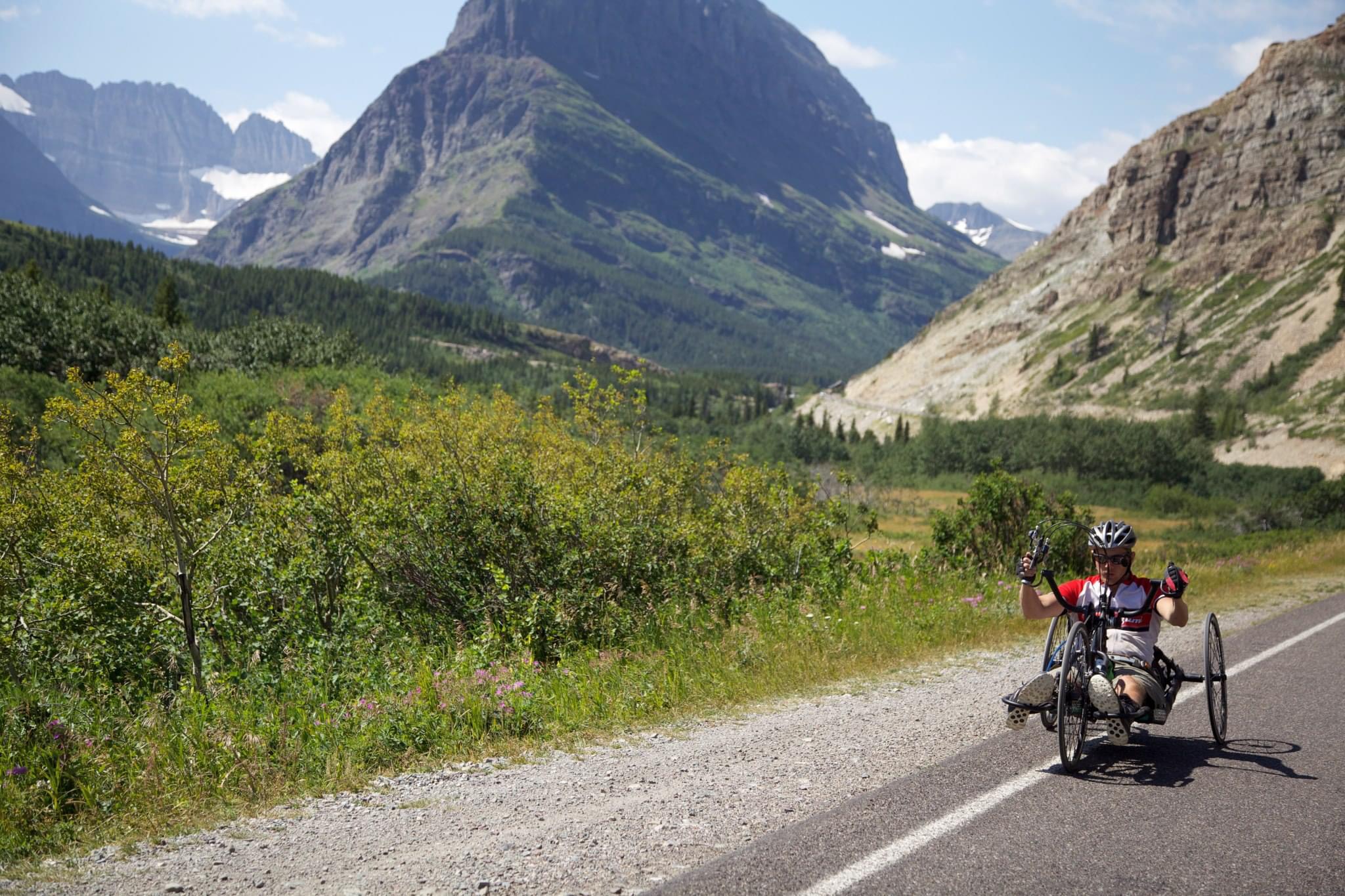
I gained independence. I then set a goal to I did that in seven months. Then I set a goal to hand cycle the going to the Sun Road up in Glacier National Park. I did that one day before the one year anniversary of my accident. There's a lot that I learned in that process, over three months of training. I then moved, got myself set up and moved back to Missoula, Montana. That was a whole thing. Then in that process, before I right before I'd moved, I met a buddy of mine, his name's Sam. He
was going for an Ironman triathlon as a paraplegic. And I was like, what? I was always curious about that kind of stuff. And I was like, what real things can be done? So then I then I, you know, three years after my injury became the first quad to ever compete in a tri Iron Man triathlon. And that was only three years after my injury. And I got the end of that. And there's so much we can talk about in all of that. But like I got to the end of that and was like, okay, what's the rest of the world around me need? What's the disability community need? I figured out how to get myself back.
I'm living a high quality of life. I'm I'm charging it. I'm I feel healthy. I'm progressing. I'm getting stronger. I figured out ways to get grants to get some of this equipment. It's so expensive. People are reaching out to me and they're like, How are you doing all this? And so that's that's you know, this doesn't exist anymore. But I had started the Joe Stone Foundation to do just that, to bridge the gap between people with and without disabilities through already existing events like mountain bike festivals, bringing the disability community there.
Joe (01:03:01.184)
Get us all integrated and together, but also be able to teach some of the stuff that I was learning and the other mentors and other people that have been playing the game longer that were there, help teach some newer folks like how to get back at life and like how to get after it. So that then became, I mean, that's still the work has evolved and changed over the last 13 years since I started the Joe Stone Foundation. But like that's been my mission. You know, I have my own personal goals. I gotta fill my own my own cup, you know. I got my family, I've got all that. But
giving back and supporting and serving others, that's like a massive part of my life. That's like biggest lesson I learned. Like how do you how do if you want to become bigger than yourself, it's through serving others. I'm convinced of that. And doing it without any expectations. And if you can figure out how to do that, then you know, we're all just one person and we can do little things to make the world a little bit better. And it's just those little things that go a long way for for an individual for sure.
gavin (01:03:58.499)
And what about flying?
Joe (01:04:01.673)
So yeah, so then Chris Santa Croce reached out to me twenty fourteen. It was after I did the Iron Man. And he total Chris fashion just sent me a message over Facebook and was like, Hey dude, I dig everything you're doing. It's awesome. Just want to let you know we're here for you if you ever want to get back up there. Literally like two, three sentences. And I was like, What? What is this?
Looked into it, Project Airtime. Started like, okay, this is cool. at that point was kind of linking up here and there with Jeff Shapiro. We were both in Missoula. Had lunch with Jeff, and I was telling him all about it. And he was like, dude, you should do it. You should do it. Paragon's the perfect, that's the perfect form of flight for you as a wheelchair user. Like you should do it. I was like, okay, cool. Sat on it for a little bit longer, kind of put it on the back burner, and it was
Early, early spring, like like beginning of March, something like that, the following year, 2015. And I was putting my hand cycle up into my car. I just went for a mountain bike ride. And Jeff comes off the trail. He was on a trail run. He comes up and he's like, Hey dude, have you set a date yet? Or do anything to get into flying? And I got a lot of respect for Jeff. And I think he's just like just a cool dude all around. And I was like
So embarrassed that I hadn't made moves. Cause that's also like not my style. Like I'm a I make moves, you know? And I was like, No man, I haven't, but I will now. And I got home and I I messaged Chris and I was like, Can I be there in a week? And he was just like, Yeah, buddy, we got you. And I was like, Cool, what do I need to know? And he's like, Just show up. And I was like, And so that first trip down there was mind blowing. Cause I didn't first time traveling as a wheelchair user to a place where I didn't know the people on the other end.
gavin (01:05:37.506)
Yeah.
Joe (01:06:02.107)
I didn't really know what the point of the mountain was all about. I didn't know where I was gonna stay. I got to but I was like and I wasn't getting a ton of feedback from Chris, but he was assuring me that like it it was all gonna be awesome if I show up.
gavin (01:06:12.759)
Yeah, Chris isn't a big communicator, you just gotta go.
Joe (01:06:16.058)
You just if you show up, dude, he's got your back in more ways you could ever imagine. But you gotta show up. You gotta take the leap of faith and show up. And I actually have a lot of respect for that because it made that process for me understand a lot about myself and what I was capable of doing and the and the the risks that I could take that would work out. And he I got to Ogden and I was like still had no idea where I was staying.
So I pulled over and I messaged him like, hey man, I'm in Ogden. Like, what's where should I stay? What's up? A couple minutes later, he drops me a link to a hotel. He's like, You're good to go. Just show up there. It's all booked. Cool. Get to the hotel, drive over there the next morning, and it was game on. Like that was the start to like Chris. The amount of time and energy that like him and Turtle and Blake Pelton and and and a number of other people there at the point of the mountain in those early days that they gave me.
To try to figure this game out as a wheelchair user and to learn it correctly. And I went into it with the mindset of shut up and listen. I've I I've messed it up the first time. So we're gonna go there and learn. And we're gonna this isn't about what I think. This is what they know, because these are the experts. And that allowed me to spend a lot of really focused time with them and develop some pretty
gavin (01:07:41.701)
Was there any kind of in those early times with with those guys, w was there was there any fear injury still involved because of the f original accident or not because you were you know, you were knocked out, you were unconscious, you don't have a memory of that day, it doesn't sound like
Joe (01:07:59.161)
Yeah, there wasn't fear like that. No, it wasn't like that. You know, that's an interesting question because the first time I got in the air solo was the big aha was everybody around me is doing the same thing. Everybody's just pulled on strings. And I went from like, this is gonna be so complicated, it's gonna be so much work to get me off the ground, and you know, can I really make this something that I can do for the rest of my life? Or what is this? You know, I just thought it was gonna be really complicated.
gavin (01:08:01.091)
Okay.
Joe (01:08:27.873)
And it turned out to be like the most inclusive activity out of anything I know of, even to this day, for when it comes to an adaptive sport, trying to integrate ourselves back in with people without disabilities. And so I was like, okay, cool, cool. We're all playing the same game. I can play with my buddies in the air and we're playing the same exact game. How cool is this? The hard thing was years later, when I wasn't under Chris and everybody else's guidance, and I finally had my own gear and I was traveling.
And I was going to new sites and I was at my very first site, like totally on my own. Like, and the person that was helping me goes, All right, you're pilot in command. So you tell me what to do and you tell me when you're ready. And they were like, I don't want any responsibility for this. You know, like they like, You make all the decisions. And I was like,
I not I don't have the confidence for that. Like my accident happened because it was my fault. And it was really comforting to have really experienced pilots at the point of the mountain telling me, Yeah, it's good, or no, it's not good. Or, hey, you look tired. Maybe we take today off, you know, or whatever. And I just did whatever they told me to do. And so becoming pilot in command, that's where I struggled. Because that was me.
gavin (01:09:24.683)
Interesting.
Joe (01:09:45.919)
actually facing the fear of what caused the accident, which was my bad decisions. And they taught me all the things I needed to know. I knew what the weather needed to be. I knew the I knew how the wind needed to feel coming up the mountain. Like I knew all the pieces, but I actually had to like make the decisions. That was my challenge. That was my big struggle.
gavin (01:10:12.172)
And how is the love of flying now? Is it is it bigger than? Is it less than? Is it is it all that what where does it reside in the in the category of goodness in your life?
Joe (01:10:33.718)
Well, it evolves, right? Like I'm over a decade into it with the wheels now. And I got very obsessed with it in the beginning, just like everybody, right? It's just like what happens. And that felt good to have passion again. And then I hit a pretty cool moment in my life in twenty eighteen where I threw everything in a storage unit and I had a little five by ten camper that I pulled behind my Chevy Silverado and I hit the road for two I the original goal was can I as a quadriplegic, as a wheelchair user, go survive a year dirt bagging it?
Can I do that? Right. And I was like six months into that and was like, I can't do this. This is too much. And like all in that same time of thinking this is too much, it's too hard to manage everything. I like found a rhythm on like bad weather days. That's when you do your laundry. You know, that's when you go to the grocery store, and that's when you take care of everything. That's when you clean the camper out. And good weather days, you focus on flying. And the whole goal was gain more independence, see what was possible for myself with that.
And then how far can we take paragliding as a wheelchair user? And it was a lot of like kind of focused more on like how weird of launches can we take off from? Do they all have to be perfect? Or can some of them not be perfect? You know, where can we do reverses versus forwards? When does that matter? cliff launches, things like that. Like how do we how do we figure this stuff out? So there was some cross country, there was some thermaling that went on for sure on
Pretty frequently. but I wasn't really ever cutting the cord too far. Like I was I was staying pretty darn close, not landing out a ton. and was just kind of focused more, pretty ultra focused on putting the pieces together to where when I was ready to finally start cutting the cord, I had all these other pieces dialed. And but it was so interesting because it was like organically grew from the point of the mountain to like
California to soaring at Torrey Pines to Marshall Mountain to now I'm on the road full time. Now I'm pilot in command. We didn't think any of that stuff was gonna be possible. We thought it was always gonna be the point of mountain. Just we just that's kind of what we thought. And then all of a sudden it was like, Well, you can go other places, but you need the, you know, Project Airtime team with you. And then it was like, Well, wait a minute, I can teach people how to launch me. I don't have to have the Project Airtime team with me everywhere I go.
Joe (01:12:52.39)
That's when I s hit the road and I just started traveling. I started flying with all these really amazing pilots. I'd search out the ones that were way better than me. I would look for the ones that were casual on the mountain. You know, it'd be like midday, be like 10 30, 11 o'clock, day's turning on, be at Marshall Mountain. And I'm like, who's like casual about this right now? Who's got the calm energy? And get to know them. And then I'm like, cool, they're such experts that adding helping me get in the air is so easy for them.
gavin (01:13:10.436)
It was chill. Yeah.
Joe (01:13:20.679)
'Cause they're not learning how to fly. You know what I mean? So they could be casual and they'd get me in the air and we'd fly together and gosh, man, the amount of time because I was camping the whole time, like the amount of lessons I learned from debriefing flights with the different people that helped me out, like just sitting on the ground and talking about it, and it was unreal. so that was full on passion, right? Dedicated, totally dedicated. Nothing else in my life was getting in the way. And but now you fast forward today, and I'm like,
Working on starting two businesses and we're working on starting a family. My wife and I are working on starting a family and I live in Jackson. It's a great spot. It's beautiful. It's amazing. Not a ton of access for wheelchair users for flying. So it's a little tougher to fly here. So I've kind of got my focus now is more on you know, I do a lot of endurance sports stuff and and I consult on public lands to make them a little bit better for people with disabilities on some of this technology we have today. I give
Do peer mentoring and I teach people how to use some of this adaptive mountain bike equipment. starting a foundation right now to provide access with the equipment or access to the equipment for people with disabilities to go hiking in our national parks and that sort of thing. We're starting it here in Jackson. So I'm busy in like a lot of other ways. And so my parabliding now is traveling. Cause I can go and travel. I can go to BC in the summer and spend two or three weeks up there and be 100% parabliding. And so
I'm no longer like I'm not really trying to, I mean, I'm always trying to progress a little bit, but I'm not like pushing the limits because I'm not as current as I should be at all times. And I recognize that. And so I've just dialed it back. Like fly it like 75, 80%. You don't gotta push it. Like just be like casual, be in that place where you know, fly the day for what it is and be grateful for every moment. That's kind of where I'm at now is just having a lot of gratitude for when I do get the moments to go to Columbia for a month and
absorb that and then come home and grind in other ways.
gavin (01:15:16.044)
And that, my friend, is a perfect way place to end. That was gorgeous. Dude, you are awesome. I'm so glad we got to do this. I mind blowing, man. Mind blowing what you've been through and what you're given to the world. And man, I learned a lot here. Thank you, dude. Thank you for sharing this. And I look forward to the day you and I get to spend some time together up in the sky, hopefully. It sounds like you might be going to Columbia this winter, so
I look forward to making something like that happen. Thank you, man. Thank you for sharing that with me. That was unbelievable.
Joe (01:15:52.774)
Thanks for having me on. I've been listening to your podcast for so long. I've gotten so many lessons out of you and the people you have on this show. Like to be sitting here having a chat with you is just it's really rad. And I I appreciate you giving me the the time and your busy schedule to to sit sit down with me. This is awesome.